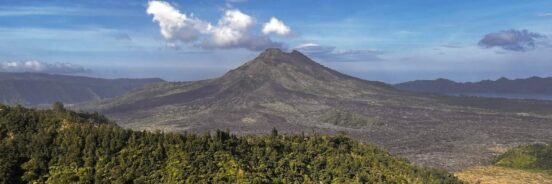
Hidden Gems of Java: Unveiling Indonesia’s Island Paradise
For travelers seeking authentic experiences beyond Bali’s crowded beaches, Java reveals an extraordinary tapestry of culture, nature, and history. As Indonesia’s most populous island, Java is often misunderstood as busy and overdeveloped, yet beyond its main cities lies a world of ancient temples, dramatic volcanic landscapes, remote islands, and traditional villages untouched by mass tourism. This guide highlights eight hidden gems that reveal the true soul of Java—quiet, powerful, and deeply rewarding.
8 Hidden Gems in Java You Must Visit
Kawah Ijen Blue Fire (East Java)
While Mount Bromo dominates most itineraries, Kawah Ijen offers one of the most surreal natural spectacles on Earth. Hiking before dawn rewards travelers with electric-blue flames caused by ignited sulfuric gases, a phenomenon found in only a handful of places worldwide. As sunrise breaks, the massive turquoise crater lake emerges, creating a hauntingly beautiful volcanic panorama that feels almost unreal.
Karimunjawa Islands (Central Java)
Often called Java’s answer to the Maldives, the Karimunjawa archipelago consists of 27 islands scattered across clear tropical waters. White-sand beaches, healthy coral reefs, and calm seas make it ideal for snorkeling and island hopping. Development remains minimal, preserving a relaxed island rhythm. Highlights include snorkeling at Menjangan Kecil and sunset views from Bukit Love overlooking the Java Sea.
Dieng Plateau (Central Java)
High above the clouds, the Dieng Plateau is both mystical and geological. This ancient volcanic highland is home to some of Indonesia’s oldest Hindu temples, predating Borobudur, set against a backdrop of steaming craters and misty hills. Sikidang Crater, with its bubbling mud and sulfur vents, feels like walking on another planet, while traditional villages offer insight into centuries-old mountain life.
Kampung Naga (West Java)
Hidden in a lush valley near Tasikmalaya, Kampung Naga is a traditional Sundanese village that has deliberately resisted modern influence. With no electricity and strict adherence to ancestral customs, the community preserves architectural styles, farming practices, and rituals dating back centuries. Visitors are welcomed respectfully and offered a rare glimpse into a way of life that has remained unchanged through generations.
Green Canyon (Cukang Taneuh), West Java
Java’s Green Canyon is a dramatic river gorge carved through limestone cliffs and dense jungle. Emerald-green water flows through narrow passages, opening into natural swimming pools and waterfalls that cascade directly into the river. Exploring by small boat or swimming through sections of the canyon reveals hidden caves, including the spectacular underground river known as the Virgin Cave.
Tawangmangu (Central Java)
Nestled on the slopes of Mount Lawu, Tawangmangu is a cool highland retreat known for fresh air, scenic views, and cascading waterfalls. Grojogan Sewu, one of Java’s most impressive waterfalls, tumbles through forested hills, while nearby tea plantations and traditional Javanese spa treatments invite slower exploration. The area also serves as a spiritual gateway to Mount Lawu, sacred in Javanese mysticism.
Batu Karas (West Java)
While Pangandaran draws large crowds, nearby Batu Karas remains a quiet coastal village with one of Java’s most beginner-friendly surf breaks. Long, gentle waves roll toward a black-sand beach lined with coconut trees. The atmosphere is relaxed and local, making it an ideal place to learn surfing, enjoy fresh seafood, and experience an uncommercialized slice of Java’s southern coast.
Panaitan Island (Banten, West Java)
Located off the western tip of Java within Ujung Kulon National Park, Panaitan Island is a remote paradise rarely visited by mainstream travelers. Known globally among surfers for its legendary reef breaks, the island also offers dense rainforest, untouched beaches, and rich marine life. Access is limited, helping preserve its raw beauty and making it one of Java’s most exclusive and pristine hidden gems.
Java Beyond the Obvious
Java’s true magic lies in destinations where authenticity still outweighs convenience. These lesser-known places offer deeper connections to Indonesia’s cultural roots, dramatic natural environments, and genuine local hospitality. From volcanic craters glowing at dawn to isolated islands surrounded by untouched seas, Java rewards travelers who are willing to explore beyond the obvious.
Travelers are encouraged to engage respectfully with local communities—dress modestly in traditional or religious areas, learn a few basic Indonesian phrases, and always ask permission before photographing people. Seasonal conditions also matter; the rainy months from November to March can affect access to highland and remote areas.
For those who venture beyond the guidebook highlights, Java delivers experiences that feel personal and profound. Whether standing before blue flames in a volcanic crater or surfing empty waves on a protected island, these hidden gems reveal an island rich in stories, landscapes, and living traditions—still waiting to be discovered.