
Sulawesi Travel Guide: Indonesia’s Last Untamed Frontier for Serious Travelers
Table of Contents
Why Sulawesi Is Not for Everyone (And Why That’s Exactly the Point)
Let’s be clear from the start:
Sulawesi is not Bali.
It is not convenient.
And it is not designed for casual tourism.
If you are looking for smooth logistics, curated Instagram spots, and predictable tourism experiences, Sulawesi will probably frustrate you.
But if you are looking for authenticity, cultural depth, cultural immersion, and places that still feel genuinely undiscovered, then Sulawesi may become one of the most meaningful journeys you ever take.
As highlighted in your base material, Sulawesi rewards patience, curiosity, and respect—not speed or convenience.
This island doesn’t perform for visitors.
It simply exists—and invites you to adapt.
Understanding Sulawesi: A Fragmented World, Not a Single Destination
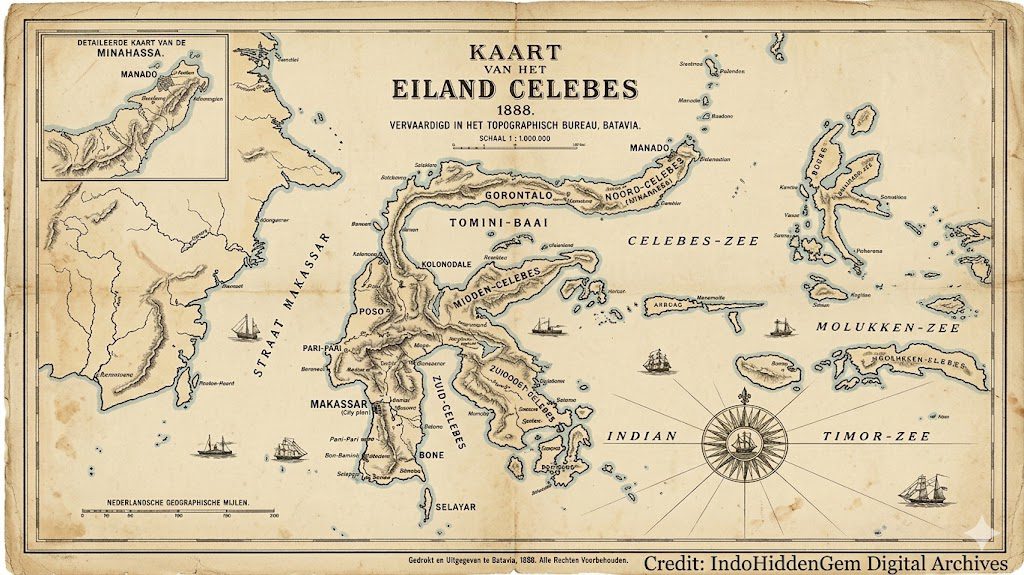
Sulawesi’s geography is one of the most unusual in the world.
Its long, branching peninsulas create physical isolation, cultural diversity, and major logistical complexity across the island.
Unlike Java or Bali, Sulawesi is not centralized.
Each region functions almost like a separate destination:
- South Sulawesi → culture & heritage
- Central Sulawesi → remote islands
- Southeast Sulawesi → marine biodiversity
- Gorontalo → raw frontier
- West Sulawesi → unexplored wilderness
This fragmentation is why Sulawesi feels like multiple countries in one island.
Practical Travel Reality
Before going further, understand this:
- Distances are long
- Roads can be slow
- Flights are limited
- Infrastructure is inconsistent
The biggest mistake travelers make:
Trying to see everything in one trip.
A Better Approach
Focus on 1–2 regions only for a meaningful experience.
South Sulawesi: The Cultural Soul of the Island
South Sulawesi is the most accessible region—and also the most culturally powerful.
The region combines ancient traditions, dramatic mountain landscapes, and strong maritime heritage that continue shaping local identity today.
For many travelers, South Sulawesi becomes the natural gateway into the island’s cultural identity and historical depth.
Tana Toraja – Where Death Becomes a Journey, Not an Ending
If there is one place that defines Sulawesi, it is Tana Toraja.
But calling it a “destination” is misleading.
Toraja is not something you visit.
It is something you experience—and sometimes struggle to understand.
The Philosophy of Death in Toraja
In most cultures, death is immediate.
In Toraja, death is gradual.
A person is not considered fully dead until:
- a proper funeral is held
- the family can afford the ceremony
Until then, the deceased may remain at home, treated as if still alive.
This belief system shapes architecture, social structure, economy, and daily life throughout Toraja.
Rambu Solo’ – One of the World’s Most Complex Rituals
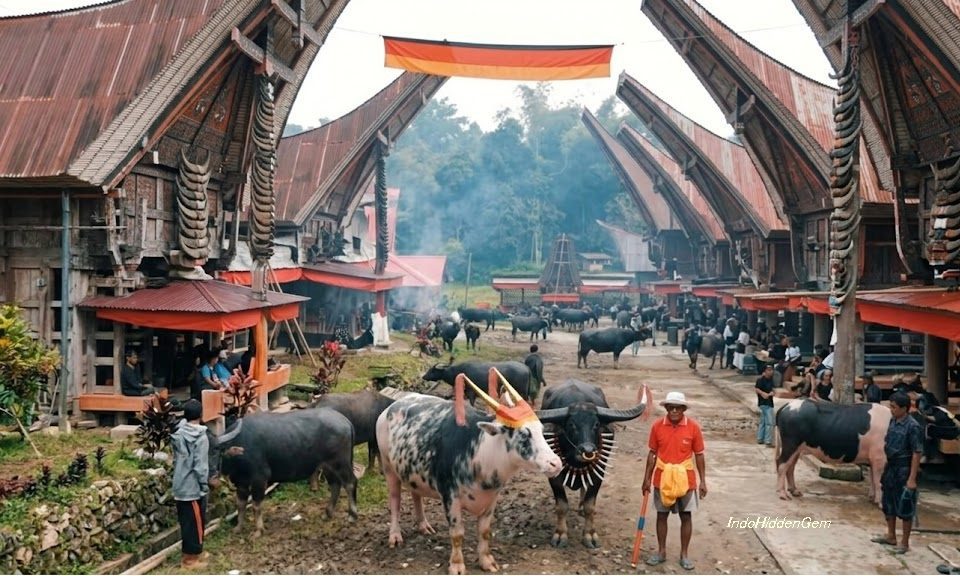
The Toraja funeral ceremony, known as Rambu Solo’, is one of the most elaborate cultural rituals on Earth.
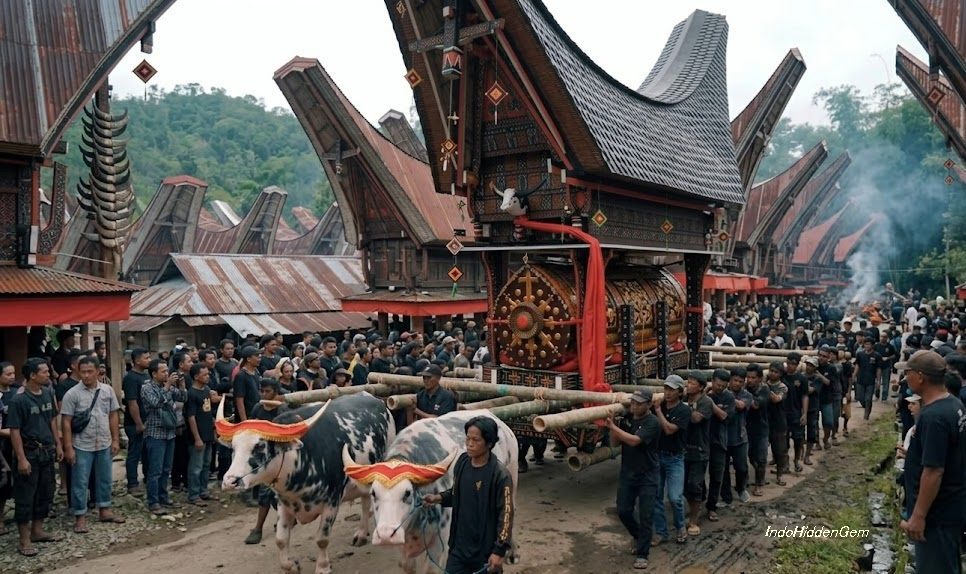
The ceremony can involve dozens of buffalo sacrifices, multi-day gatherings, and participation from entire villages.
For outsiders, it can feel overwhelming.
For locals, it is a duty of honor.
As described in your source material, these rituals are not performances—they are deeply embedded cultural realities.
Tau-Tau & Cliff Burials
One of the most striking images in Sulawesi:
Wooden effigies—called tau-tau—standing on cliff balconies.
They represent the deceased, social status, and ancestral presence.
Burials are carved into limestone cliffs, creating landscapes that feel both sacred and surreal.
Tongkonan: Architecture with Meaning
Traditional Torajan houses—Tongkonan—are instantly recognizable.
Tongkonan houses are recognizable for their boat-shaped roofs, intricate carvings, and buffalo horns displayed at the front entrance.
But they are more than houses.
They symbolize family lineage, social hierarchy, and spiritual identity.
Why Toraja Matters Globally
For travelers from Europe and the US, Toraja offers something extremely rare:
A living culture that has not been simplified for tourism
This is not a museum, a staged performance, or a reconstructed tradition. It remains a living culture that still shapes everyday life in Toraja today.
It is real—and sometimes challenging to witness.
Experiencing Toraja: What You Actually Do There
Visit Londa & Lemo Burial Sites
Cliff graves filled with coffins and tau-tau figures.
Explore Ke’te Kesu Village
One of the most preserved traditional villages.
Hike Batutumonga Highlands
Panoramic views over rice terraces and mountains.
Attend a Funeral Ceremony (if timing allows)
The most powerful experience—but requires respect and awareness.
Practical Insight
- Best time: July–September (ceremony season)
- Minimum stay: 3–4 days
- Access: via Makassar
Rammang-Rammang: The Karst Landscape That Feels Unreal
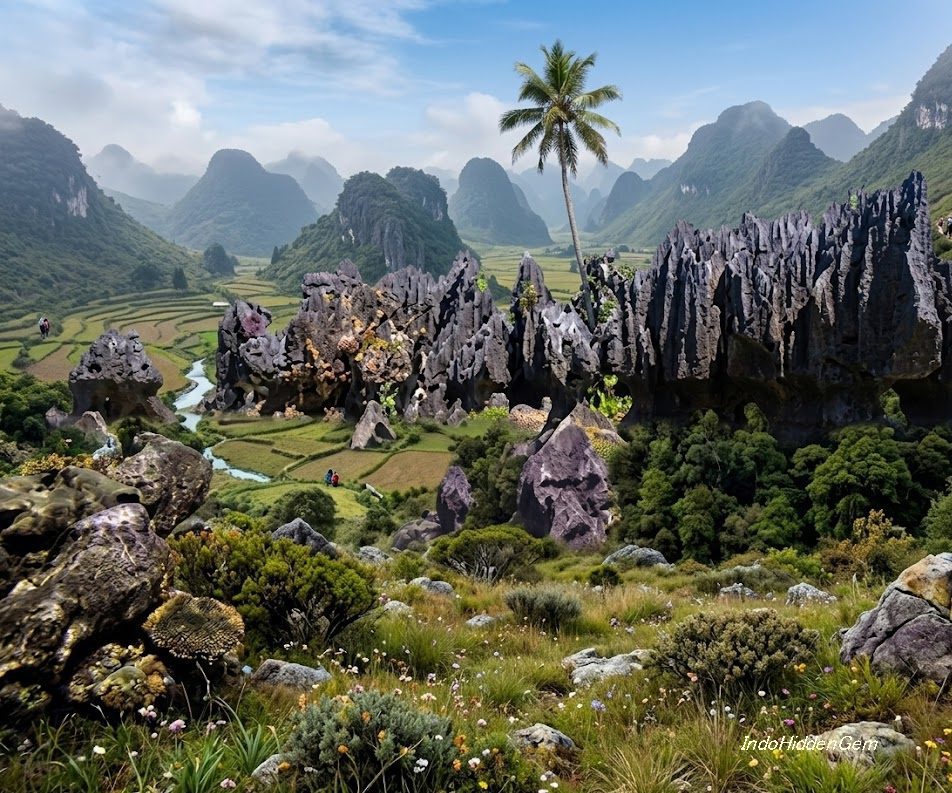
Located near Makassar, Rammang-Rammang is often overlooked—but it shouldn’t be.
It forms part of the second-largest karst system in the world.
Rammang-Rammang is known for towering limestone cliffs, narrow river passages, hidden caves, and traditional villages surrounded by dramatic karst landscapes.
A slow boat ride through the river feels almost cinematic.
Visitors can explore the area by canoe through narrow karst waterways, visit prehistoric caves, stay in local homestays, and walk through rice fields surrounded by towering limestone formations.
Early morning is usually the best time to visit, when mist still hangs above the karst landscape and the waterways remain quiet and peaceful.
Bira & Tanjung Bira: The Unexpected Tropical South
Sulawesi is not famous for beaches.
But Bira changes that narrative completely.
Bira stands out for its white silica sand, clear turquoise water, and far quieter atmosphere compared to many of Indonesia’s more commercial beach destinations.
These traditional wooden sailing vessels are still built by hand, passed down through generations, and actively used throughout the Indonesian archipelago today.
Watching this process is like stepping back in time.
Traditional Food of Sulawesi: The Culinary Identity of Indonesia’s Wildest Island
Traveling through Sulawesi is not only about landscapes, remote islands, or ancient traditions. The food itself becomes part of the journey.
Unlike Java or Bali, where many dishes lean toward sweetness and softer spice profiles, Sulawesi cuisine feels bolder, sharper, and far more intense. Fresh herbs, sour flavors, grilled seafood, slow-cooked broths, and aggressive chili heat dominate local cooking traditions across the island.
Because Sulawesi is divided by mountains, isolated coastlines, and long peninsulas, every region developed its own culinary identity. Traveling across the island often feels like moving between entirely different countries — not just culturally, but gastronomically as well.
Regional Culinary Diversity Across Sulawesi
South Sulawesi is famous for rich meat-based dishes deeply connected to Bugis and Makassarese traditions. Food here is heavy, flavorful, and often centered around beef, offal, coconut, and slow-cooked spice mixtures passed down for generations.
North Sulawesi, particularly around Manado and the Minahasa Highlands, offers something completely different. The cuisine is widely considered among the spiciest in Indonesia, relying heavily on fresh herbs, citrus, lemongrass, basil, and fiery bird’s eye chilies. Seafood plays a major role, but so does the region’s strong Christian cultural influence, which creates a food culture very different from most of the country.
In Gorontalo, the flavors become lighter and more coastal. Corn, fresh fish, coconut, and sour soups dominate daily meals, reflecting the region’s maritime traditions and agricultural landscape.
Meanwhile, Central Sulawesi is known for earthy broths, grilled fish, and rustic dishes influenced by mountain communities and isolated inland regions.
Iconic Dishes You Should Try
One of the most famous dishes on the island is Coto Makassar, a legendary beef soup from Makassar made with slow-cooked spices, peanuts, and rich broth traditionally served with rice cakes known as burasa.
Another South Sulawesi specialty is Konro, a dark beef rib soup flavored with kluwak, the same fermented nut used in rawon from East Java. The result is a deep, earthy flavor unlike most Indonesian soups.
In Manado, travelers quickly discover Woku, a vibrant cooking style combining turmeric, lemongrass, lime leaves, basil, and intense chili heat. Fish and chicken are commonly prepared this way, creating some of the freshest and most aromatic dishes in Indonesia.
Breakfast in North Sulawesi often includes Tinutuan or Bubur Manado, a colorful porridge made from rice, pumpkin, corn, leafy vegetables, and herbs. It is lighter than most Indonesian breakfasts but full of texture and flavor.
From Gorontalo comes Binte Biluhuta, a comforting corn and seafood soup balancing sweetness, spice, and sourness in a surprisingly refreshing way.
In Central Sulawesi, particularly around Palu, locals are proud of Kaledo, a simple but powerful beef bone soup known for its spicy, sour broth and rich marrow-filled bones.
Seafood, Spices, and Coastal Traditions
Surrounded by the Celebes Sea, Banda Sea, Flores Sea, and Tomini Gulf, Sulawesi has one of the strongest seafood cultures in Indonesia.
Fresh tuna, reef fish, squid, shrimp, and shellfish are part of everyday life in many coastal communities. Rather than covering seafood with heavy sauces, locals usually keep preparations simple: charcoal grilling, fresh lime, sambal, and aromatic herbs.
Spices also play a major role in Sulawesi cuisine, though the island uses them differently from Java or Bali. Fresh ingredients such as turmeric, galangal, ginger, lemongrass, and kaffir lime leaves dominate local kitchens, creating cleaner and brighter flavors rather than sweet or overly rich sauces.
Best Food Cities in Sulawesi
Makassar is easily the island’s culinary capital and one of Indonesia’s best food cities overall. The city is famous for late-night seafood stalls, beef soup restaurants, grilled fish, and traditional Bugis-Makassarese cooking.
Manado offers a completely different experience focused on spicy food, fresh herbs, and vibrant seafood dishes. Travelers who enjoy intense flavors often consider it one of the country’s most exciting culinary destinations.
Palu, while less famous internationally, provides a more rustic and local food culture where traditional soups, grilled seafood, and simple mountain-influenced cooking still dominate daily life.
Street Food and Night Markets
One of the best ways to experience Sulawesi is through its night food culture. Across the island, evening markets and roadside food stalls become social gathering spaces where locals eat grilled fish, spicy soups, fried snacks, and rice dishes late into the night.
In cities like Makassar and Manado, seafood markets become especially lively after sunset. Smoke from charcoal grills fills the streets while vendors prepare fresh fish directly in front of customers.
For many travelers, these informal food stalls become some of the most memorable experiences on the island.
Practical Food Tips for Travelers
Travelers should understand that Sulawesi’s spice level can be significantly stronger than in Bali or Java. Dishes labeled “spicy” often use large amounts of bird’s eye chili.
South Sulawesi, Gorontalo, and most of Central Sulawesi are predominantly Muslim, making halal food widely available. North Sulawesi, however, has a strong Christian population and a much broader meat culture, so travelers with dietary restrictions should ask carefully before ordering.
Food hygiene in major cities is generally manageable, but smaller villages and remote islands may have more limited facilities. Choosing busy local restaurants is usually the safest option.
For travelers willing to explore beyond familiar Indonesian dishes, Sulawesi offers one of the country’s richest and most underrated culinary experiences.
Why Sulawesi Is One of the Greatest Diving Destinations on Earth
For divers, Sulawesi is not just another tropical destination.
It is one of the few places in the world where dramatically different underwater ecosystems exist within a single island region. Massive coral walls, black sand macro sites, untouched atolls, deep ocean drop-offs, and remote marine parks all coexist across Sulawesi’s scattered peninsulas and surrounding seas.
While places like Bali, the Maldives, Raja Ampat, and the Philippines are globally famous for diving, Sulawesi offers something far more diverse: a complete spectrum of underwater experiences combined with relatively low tourism pressure.
For many experienced divers, that combination is increasingly rare.
The Coral Triangle and Why Sulawesi Matters
Sulawesi sits in the center of the Coral Triangle, the most biodiverse marine region on Earth.
The waters surrounding the island connect deep ocean trenches, strong nutrient currents, coral ecosystems, and migratory routes used by large marine species throughout the Indo-Pacific region.
This creates extraordinary biodiversity.
Compared to many other tropical destinations, Sulawesi supports an exceptional concentration of coral species, reef fish, macro marine life, sea turtles, and pelagic species.
The result is not simply beautiful diving, but ecological diversity on a global scale.
For underwater photographers and marine researchers, Sulawesi is considered one of the most important marine environments in Southeast Asia.
Bunaken and the World of Vertical Reef Walls
Located off the coast of Manado, Bunaken National Park is one of Indonesia’s most respected marine conservation areas.
The region is famous for its dramatic wall diving, where coral reefs suddenly drop into deep blue ocean trenches. Visibility is often excellent, and the reefs remain relatively healthy compared to many heavily developed dive destinations in Asia.
Divers commonly encounter green sea turtles, reef sharks, napoleon wrasse, large schools of tropical fish, and colorful soft corals.
Bunaken is especially attractive for travelers who want accessible diving combined with comfortable land-based accommodation near Manado.
Lembeh Strait and Black Sand Muck Diving
If Bunaken represents classic coral diving, Lembeh Strait offers the opposite experience.
This narrow stretch of water is internationally famous for black sand muck diving, a specialized form of diving focused on small and unusual marine species hidden within volcanic seabeds.
At first glance the underwater environment appears almost empty. But experienced dive guides can spot creatures that are nearly invisible to untrained eyes.
Lembeh has become legendary among underwater photographers because of rare species such as mimic octopus, flamboyant cuttlefish, blue-ringed octopus, frogfish, and pygmy seahorses.
For macro photography, few places in the world rival Lembeh Strait.
Wakatobi and Reef Preservation
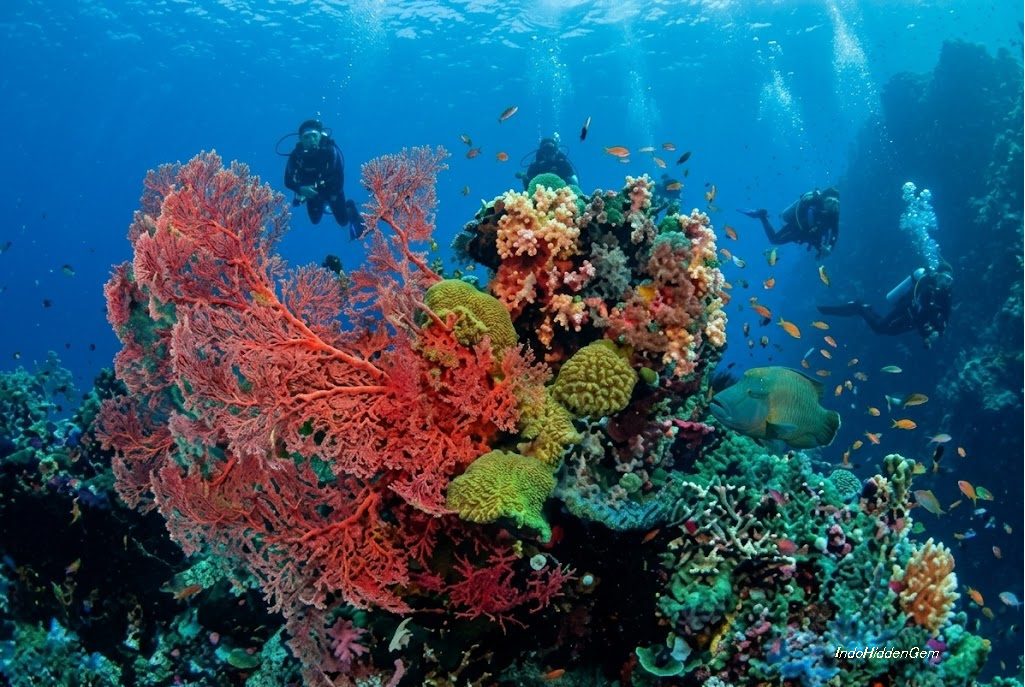
Further south, Wakatobi represents a different side of Sulawesi’s marine identity.
The reefs here are known for exceptional coral health, clear water, and long-term conservation efforts that helped protect the surrounding ecosystem from large-scale damage.
Unlike more crowded dive destinations, many reefs in Wakatobi still feel isolated and remarkably intact.
The area attracts divers, snorkelers, eco-luxury travelers, and underwater photographers searching for healthier reef ecosystems and quieter marine experiences.
Because reef systems begin very close to shore, even casual snorkeling experiences can feel extraordinary.
Togean Islands and Remote Marine Exploration
Hidden inside Tomini Gulf, the Togean Islands offer one of the most remote diving environments in Indonesia.
The region combines calm turquoise water, coral reefs, small fishing villages, and extremely low tourism numbers. Traveling here requires patience, but that isolation is exactly what makes the experience memorable.
Unlike commercial dive hubs, the Togeans still feel disconnected from mainstream tourism infrastructure.
Divers exploring the Togean Islands encounter coral atolls, shallow reef systems, wreck sites, and calm lagoon environments spread across the gulf.
The slower pace of life also attracts travelers looking for digital detox experiences and long-form island travel.
Gorontalo and Unusual Marine Landscapes
Gorontalo remains one of Sulawesi’s least-known diving regions internationally, yet it contains some of the island’s most unusual underwater formations.
The area is particularly famous for the Salvador Dali sponge coral formations, surreal-looking structures found in relatively few places worldwide.
Strong nutrient currents also attract larger marine life, while the region’s low tourism pressure creates a far more untouched atmosphere compared to Bali or other major diving hubs.
For divers looking for frontier destinations rather than crowded resorts, Gorontalo offers something increasingly difficult to find in Southeast Asia.
Banggai Islands and Endemic Marine Species
The Banggai Islands are globally known as the natural habitat of the Banggai cardinalfish, a species found only within this isolated island chain.
Although small, the region plays an important role in marine conservation discussions due to the historical overcollection of the species for the international aquarium trade.
Today, the islands attract travelers interested in conservation tourism, quiet island diving, community-based travel, untouched reef environments.
The atmosphere here feels far removed from mass tourism.
Diving Styles Across Sulawesi
One reason Sulawesi stands out globally is the sheer diversity of diving styles available within one island region.
Travelers can experience wall diving, drift diving, macro photography, muck diving, coral gardens, pelagic encounters, shallow reef snorkeling.
This flexibility allows both beginners and advanced divers to find environments suited to their skill level.
Beginners often prefer Bunaken or Wakatobi because of calmer conditions and easier access to reefs, while advanced divers may pursue stronger currents, deeper walls, or remote expeditions around Gorontalo and the Banda Sea.
Conservation and Responsible Marine Tourism
Many of Sulawesi’s best dive regions survive because local communities and conservation programs continue protecting fragile reef ecosystems.
Marine parks such as Bunaken and Wakatobi helped create stronger environmental awareness while also supporting local tourism economies.
For travelers, responsible diving practices remain essential, including avoiding contact with coral, maintaining proper buoyancy, using reef-safe sunscreen, and respecting marine wildlife.
Because many ecosystems remain healthier than other parts of Southeast Asia, preserving them becomes increasingly important as tourism grows.
Why Sulawesi Still Feels Special
In many famous diving destinations around the world, overcrowding has become unavoidable.
Sulawesi still feels different.
The island remains large, fragmented, difficult to navigate, and relatively underdeveloped for international tourism. Ironically, those challenges helped preserve many of its marine ecosystems.
For travelers willing to move beyond the easiest destinations in Indonesia, Sulawesi offers one of the richest underwater experiences left in Southeast Asia — not only because of biodiversity, but because much of it still feels genuinely wild.
Southeast Sulawesi: The Global Epicenter of Marine Biodiversity
Wakatobi National Park – Where the Ocean Still Feels Untouched
If South Sulawesi is about culture,
then Wakatobi is about the ocean in its purest form.
Located in the heart of the Coral Triangle, Wakatobi is widely considered one of the most biodiverse marine ecosystems on Earth, with more than 750 coral species, over 900 fish species, and exceptional water clarity.
These are not exaggerated claims—they are scientific benchmarks.
Why Wakatobi Is Different from Other Dive Destinations
There are many places in Southeast Asia where you can dive.
Few destinations in Southeast Asia still combine healthy coral ecosystems, minimal tourism pressure, and consistently exceptional visibility on the scale found in Wakatobi.
Wakatobi stands out because it combines biodiversity, conservation, exclusivity.
It is not just a dive site—it is an entire marine system.
The Experience: What Diving in Wakatobi Feels Like
You don’t “arrive” at the reef.
You step into it.
The reef begins just meters from the shore and extends into walls, drop-offs, coral gardens.
Fish density can feel overwhelming, with schooling fusiliers, reef sharks, turtles, and macro species hidden throughout the coral systems.
At times, it feels less like diving—and more like floating inside a living organism.
Access & Logistics
Typical route:
- Bali / Makassar → Wakatobi (via charter or connecting flights)
Travel is not simple—but that’s part of the exclusivity.
Central Sulawesi: Indonesia’s Most Underrated Island Region
Central Sulawesi is where travel becomes exploration.
This region is less developed, harder to reach, and incredibly rewarding for travelers willing to move beyond Indonesia’s mainstream routes.
Togean Islands: A World Suspended in Time
Hidden inside the Tomini Gulf, the Togean Islands feel completely disconnected from modern life.
The Togean Islands are unique for their rare atoll formations, combination of jungle and coral ecosystems, and extremely low tourism levels compared to most island destinations in Indonesia.
Jellyfish Lake Experience
One of the highlights:
swimming with non-stinging jellyfish
Thousands of jellyfish drift through calm water, creating a surreal experience.
Cultural Element: The Bajau People
The Bajau—often called sea nomads—live:
- on boats
- in stilt villages
Their connection to the ocean is fundamental.
Travel Reality
Getting there requires effort:
- flights + boats
- long travel times
But that effort is exactly why it remains special.
Banggai Islands: Where Conservation Meets Beauty
The Banggai Islands are one of Sulawesi’s most underrated destinations.
Why They Matter
This is the only natural habitat of:
Banggai cardinalfish
A species once heavily exploited for aquarium trade.
Travelers experience clear lagoons, vibrant coral reefs, and quiet island villages largely untouched by large-scale tourism.
Tourism here is:
- small-scale
- community-driven
The Banggai Islands appeal to travelers interested in conservation, slower travel experiences, and more meaningful interaction with local communities.
Morowali Nature Reserve: The Untamed Core of Sulawesi
If you want raw nature—this is it.
Morowali is defined by dense rainforest, minimal infrastructure, and exceptionally high biodiversity that still feels genuinely wild and remote.
Wildlife includes:
- anoa (dwarf buffalo)
- babirusa
- endemic birds
The Experience
- multi-day trekking
- river crossings
- remote camps
Travel in Morowali feels far closer to expedition travel than conventional tourism.
The Sulawesi Contrast: Why This Region Defines the Island
This part of Sulawesi shows the island’s full spectrum:
- Wakatobi → marine perfection
- Togean → isolation & simplicity
- Banggai → conservation & community
- Morowali → raw wilderness
Together, they create something rare:
A destination that still feels uncontrolled and real
North Sulawesi: Volcanoes, Diving, and Minahasa Culture
North Sulawesi is one of the most geographically dramatic and culturally distinct regions in Indonesia.
Located on the northern peninsula of Sulawesi, the region combines active volcanoes, deep marine ecosystems, fertile mountain highlands, and one of the country’s strongest regional identities through Minahasa culture.
Compared to many other parts of Indonesia, North Sulawesi feels more open, energetic, and outward-looking. Christian traditions, maritime trade history, volcanic landscapes, and strong community life all shape the atmosphere of the region today.
For travelers, North Sulawesi offers an unusual combination rarely found within a single destination:
world-class diving
endemic wildlife
active volcano trekking
highland culture
marine biodiversity
remote rainforest ecosystems
From the underwater walls of Bunaken and the black sand diving of Lembeh Strait to the volcanic highlands surrounding Tomohon and the wildlife forests of Tangkoko, North Sulawesi delivers one of the most diverse travel experiences anywhere in Indonesia.
Despite its extraordinary biodiversity and accessibility through Manado, the region still receives far fewer international visitors compared to Bali or other mainstream destinations.
That balance between accessibility and authenticity is part of what continues making North Sulawesi feel special.
The Minahasa Identity and Cultural Difference
Much of North Sulawesi’s identity comes from the Minahasa people, who historically lived in isolated mountain communities across the highlands surrounding modern-day Manado and Tomohon.
Unlike many other regions in Indonesia that were shaped by Islamic kingdoms, the Minahasa Highlands experienced strong European missionary influence during the colonial era. Today, Christianity plays a major role in local life, creating a cultural atmosphere that often feels very different from the rest of the country.
Churches dominate many towns, community celebrations are lively and social, and local hospitality tends to feel especially warm and direct toward visitors.
This cultural distinction is also reflected in the food, architecture, music, and daily life throughout the region.
Manado: The Gateway to North Sulawesi
Manado serves as the main entry point into North Sulawesi and one of the most important maritime cities in eastern Indonesia.
Surrounded by mountains and facing the Celebes Sea, the city combines busy urban life with easy access to diving islands, volcanic highlands, and rainforest reserves. Compared to many larger Indonesian cities, Manado feels more relaxed and compact, making it a comfortable base for exploration.
The local food scene is also one of the strongest in Sulawesi, particularly for travelers who enjoy spicy seafood and herb-heavy dishes.
From Manado, most travelers continue toward Bunaken National Park, Tomohon, or Tangkoko Nature Reserve.
Bunaken National Park and World-Class Diving
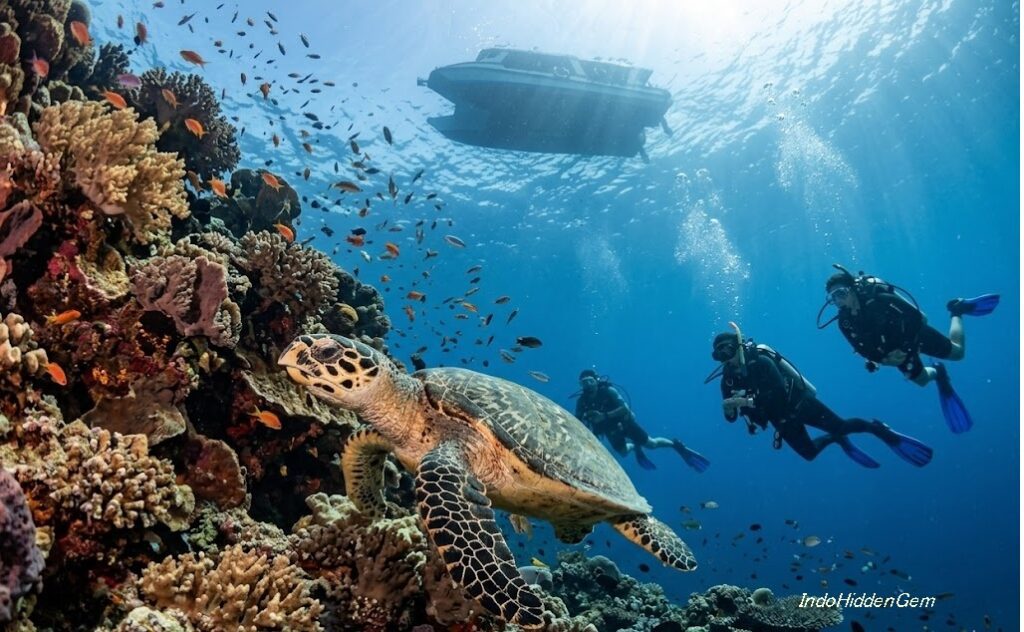
Just offshore from Manado lies Bunaken National Park, one of Indonesia’s oldest and most respected marine conservation areas.
Located within the Coral Triangle, Bunaken is globally known for its marine biodiversity, crystal-clear visibility, and dramatic underwater walls that drop directly into deep ocean trenches.
The diving here is very different from many tropical reef destinations. Instead of shallow coral gardens alone, Bunaken is famous for steep vertical walls covered in sea fans, soft corals, reef fish, and sea turtles.
Divers frequently encounter:
- green turtles
- barracuda schools
- napoleon wrasse
- reef sharks
- dense tropical fish populations
The calm surface conditions also make Bunaken attractive for snorkeling, especially around the island’s shallow reef sections.
For underwater photographers, Bunaken offers a balance between large marine life and healthy coral ecosystems that remain relatively protected compared to many heavily visited destinations in Southeast Asia.
Black Sand Diving and Lembeh Strait
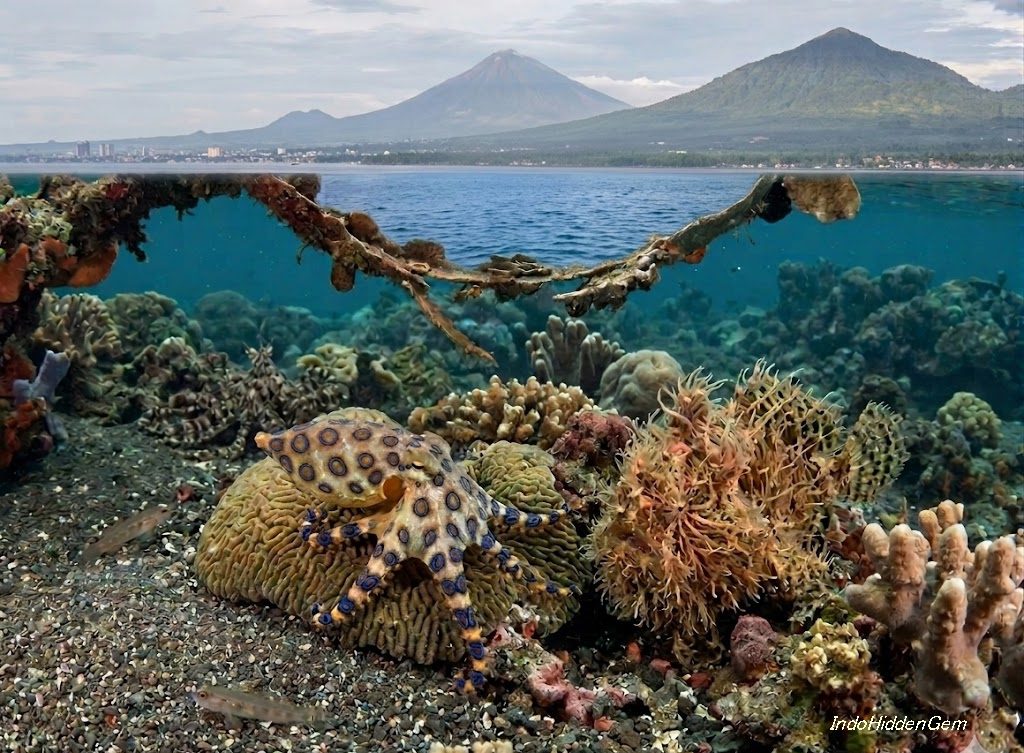
North Sulawesi is also famous for something completely different: black sand muck diving.
Around Lembeh Strait and parts of Manado Bay, volcanic activity has created dark underwater landscapes made of fine black sand rather than colorful coral reefs. At first glance the environment appears empty, but it actually hosts some of the strangest marine species in the world.
This region has become legendary among underwater photographers because of its rare macro life, including:
- mimic octopus
- flamboyant cuttlefish
- pygmy seahorses
- frogfish
- ghost pipefish
Unlike traditional reef diving focused on scenery, muck diving is about patience and detail. Divers move slowly across the seabed searching for tiny, highly camouflaged species hidden within the volcanic sand.
For many experienced divers, Lembeh Strait is considered one of the best macro diving destinations on Earth.
Tomohon and the Minahasa Highlands
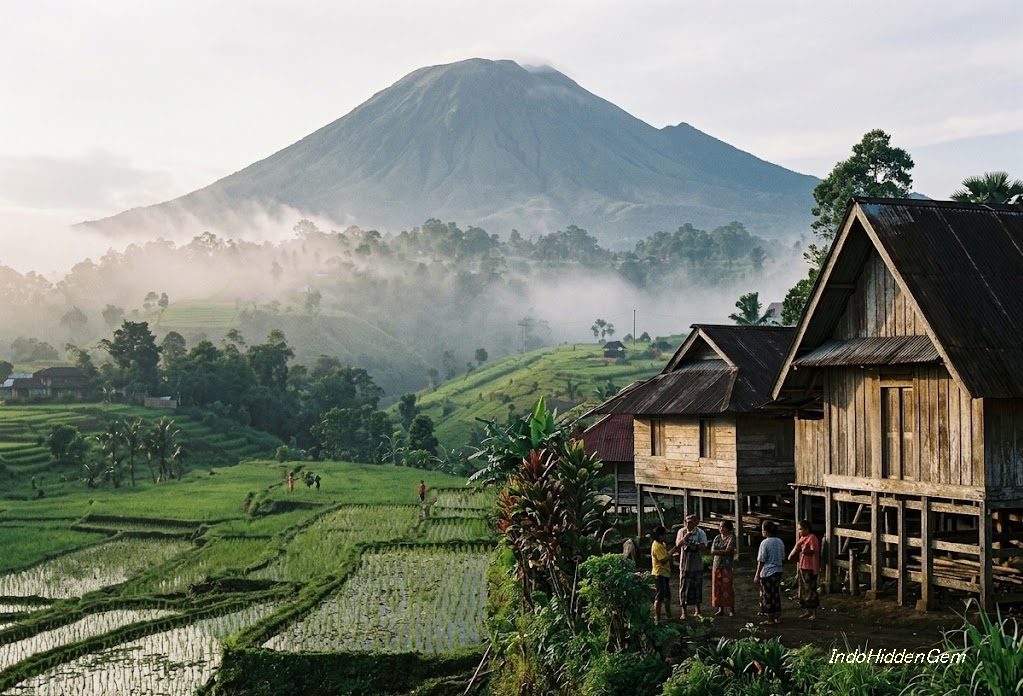
Leaving the coastline behind, the road climbs into the cooler volcanic highlands surrounding Tomohon.
This mountain town sits between active volcanoes, fertile farmland, and scenic lakes, creating one of the most visually dramatic landscapes in Sulawesi. Due to its cooler climate, Tomohon is often called the “City of Flowers,” with gardens and plant nurseries spread throughout the region.
The surrounding Minahasa Highlands offer a slower atmosphere compared to coastal Manado. Local villages, mountain viewpoints, coffee farms, and volcanic scenery make the area ideal for travelers looking for nature without large tourist crowds.
Tomohon is also known for its traditional markets and distinctive local food culture, which reflects the region’s long-standing highland traditions.
Mount Lokon and Volcanic Landscapes
Towering above Tomohon is Mount Lokon, one of the most active volcanoes in North Sulawesi.
The volcano dominates the skyline and serves as a reminder that Sulawesi itself was shaped by intense geological activity. Hiking Mount Lokon offers travelers the chance to walk through volcanic terrain filled with lava rock, sulfur vents, and steaming crater landscapes.
The trek itself is not overly technical, but weather conditions and volcanic activity should always be checked before attempting the hike.
On clear days, the views across the Minahasa Highlands are exceptional.
Tangkoko Nature Reserve and Endemic Wildlife
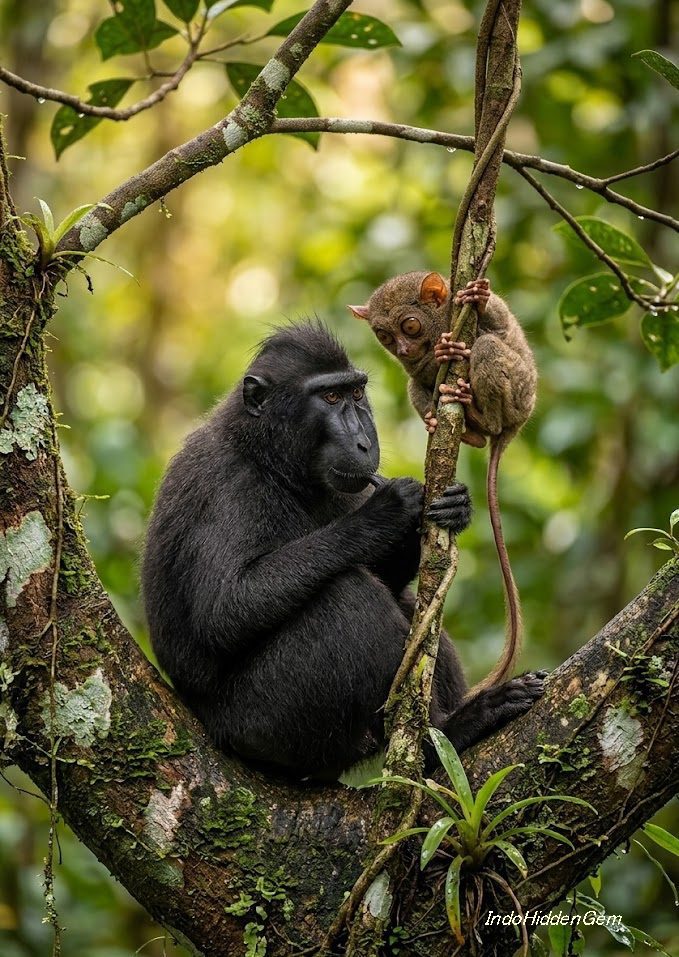
For wildlife enthusiasts, Tangkoko Nature Reserve is one of the most important destinations in Sulawesi.
Located on the northeastern tip of the island, this protected rainforest is home to several endemic species found nowhere else in the world.
The reserve is especially famous for the spectral tarsier, one of the smallest primates on Earth. These nocturnal animals are known for their enormous eyes and ability to leap quickly through the forest canopy.
Tangkoko is also one of the best places to see the Celebes crested macaque, a rare black monkey species native to Sulawesi. Unlike many wild primates, some groups here have become relatively accustomed to human presence, allowing closer observation when guided responsibly.
Birdwatchers are also drawn to the reserve for the opportunity to spot the Sulawesi hornbill and other endemic forest birds.
Visiting Tangkoko with experienced local guides significantly improves wildlife sightings while also supporting conservation efforts within the region.
Practical Travel Advice for North Sulawesi
North Sulawesi is ideal for travelers interested in combining marine exploration, volcano trekking, wildlife experiences, and cultural immersion within a single trip.
Most visitors should plan at least seven to ten days to properly experience the region without rushing.
Typical travel combinations include:
- Manado
- Bunaken
- Tomohon
- Tangkoko
- Lembeh Strait
Sam Ratulangi International Airport in Manado connects the region with Jakarta, Makassar, Bali, and several other Indonesian hubs.
The best overall season to visit is generally between May and October, when diving visibility is strongest and rainfall is lower. However, North Sulawesi remains accessible throughout most of the year.
Compared to Bali, tourism infrastructure here is more limited, but that is also part of the appeal. North Sulawesi still feels authentic, relatively uncrowded, and deeply connected to its natural environment — something increasingly difficult to find in Southeast Asia.
Gorontalo: Indonesia’s Last True Marine Frontier
Gorontalo – Raw, Untouched, and Deeply Authentic
If Wakatobi represents refined marine tourism,
Gorontalo represents something else entirely:
the ocean before tourism arrived
Still largely ignored by international travelers, Gorontalo offers some of the most unique marine encounters in Indonesia.
As your source highlights, this region remains one of Sulawesi’s most underrated destinations.
Whale Sharks at Botubarani: One of the Most Accessible Encounters in the World
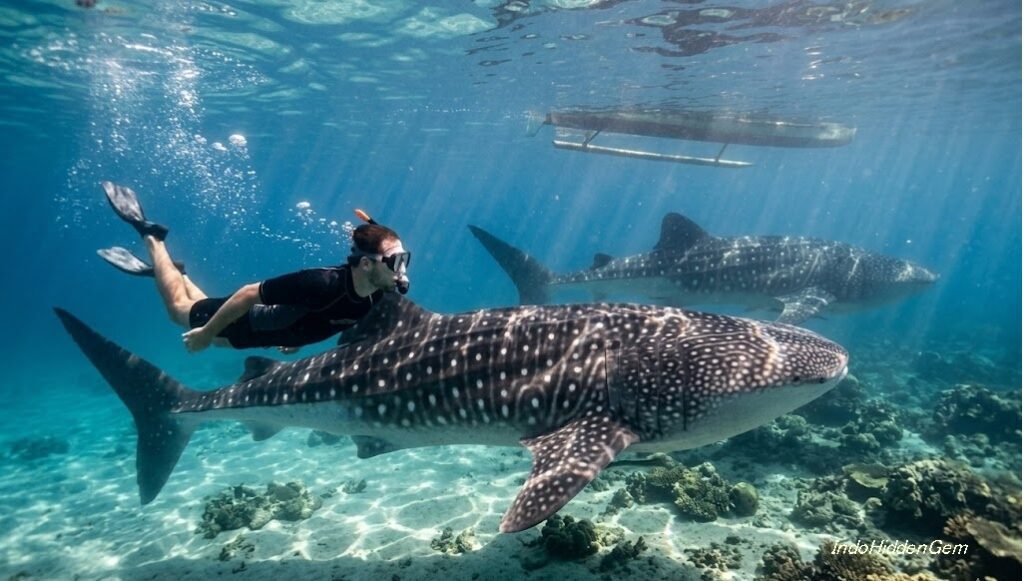
Unlike most whale shark destinations:
- no long boat trips
- no expensive expeditions
Here, encounters happen just offshore.
You can:
- step into the water
- and find yourself swimming beside one of the largest fish on Earth
Olele Marine Park: A Surreal Underwater Landscape
This is where Gorontalo becomes globally unique.
Home to:
Salvador Dali sponge coral
A rare formation found almost nowhere else.
The reef here offers:
- excellent visibility
- strong macro opportunities
- unique coral structures
Pulo Cinta & Saronde Islands: Remote Tropical Escapes
Pulo Cinta and Saronde are known for their white sand beaches, shallow turquoise lagoons, and peaceful atmosphere far removed from mass tourism.
Otanaha Fortress – History Above the Landscape
Overlooking Lake Limboto, this 16th-century fortress is known not only for its historical significance, but also for panoramic views and some of the best sunset scenery in Gorontalo.
West Sulawesi: The Least Explored Province in Indonesia
Gandang Dewata National Park – The Final Wilderness
West Sulawesi is rarely discussed—and almost never visited.
At its core lies Gandang Dewata National Park.
Gandang Dewata National Park is known for rugged mountain terrain, dense rainforest, and extremely low visitor numbers even by Sulawesi standards.
This is one of the last places in Indonesia where:
nature still dominates completely
The park protects anoa, rare endemic birds, and large untouched forest ecosystems that remain among the least disturbed in Indonesia.
Travel in West Sulawesi requires planning, patience, and comfort with limited infrastructure, but that remoteness is exactly what preserves the region’s untouched atmosphere.
Hidden Places in Sulawesi Most Travelers Never Discover
One of the reasons Sulawesi still feels special is because much of the island remains outside mainstream tourism routes.
Beyond destinations like Toraja, Bunaken, or Wakatobi, Sulawesi hides remote islands, isolated valleys, rainforest reserves, and coastal landscapes that many international travelers have never even heard of.
These places are not always easy to reach. Transportation can be slow, infrastructure limited, and tourism facilities minimal. But for travelers willing to trade convenience for discovery, they offer some of the most rewarding experiences in Indonesia.
Labengki and Sombori Islands
Located in Southeast and Central Sulawesi, the Labengki and Sombori archipelagos are often compared to Raja Ampat because of their dramatic limestone islands and bright turquoise lagoons.
Towering karst formations rise directly from the sea, creating hidden beaches, narrow channels, caves, and calm inland bays surrounded by crystal-clear water.
Unlike more famous island destinations in Indonesia, tourism here remains extremely small-scale. Many visitors stay in simple homestays operated by local Bajo communities, whose lives remain closely connected to the ocean.
The atmosphere feels remote, quiet, and far removed from commercial tourism.
These islands are especially attractive for island hopping, freediving, drone photography, snorkeling, slow travel.
Lore Lindu National Park
In the mountainous interior of Central Sulawesi lies Lore Lindu National Park, one of Indonesia’s most important biodiversity reserves.
Dense rainforest, mist-covered valleys, and isolated mountain villages dominate the landscape, creating a completely different atmosphere from Sulawesi’s coastal regions.
The park is home to several endemic species including: anoa, babirusa, tarsiers, rare hornbills.
For wildlife enthusiasts and trekkers, Lore Lindu represents one of the island’s last major wilderness regions.
Tourism infrastructure remains limited, which helps preserve the park’s remote and untouched feeling.
Lake Poso
At the geographical center of Sulawesi sits Lake Poso, one of Indonesia’s deepest lakes.
Surrounded by forested hills and quiet lakeside villages, the area offers a much slower pace of travel compared to Sulawesi’s busier coastal regions.
The clear blue water, cooler climate, and peaceful atmosphere make Lake Poso an ideal stop for travelers looking to rest between long overland journeys across the island.
Nearby waterfalls, local fishing villages, and small Christian communities add to the region’s calm and authentic character.
Olele Marine Park
Located near Gorontalo, Olele Marine Park remains one of Sulawesi’s least-known marine destinations despite its exceptional underwater scenery.
The coral reef begins only a short distance from the shoreline, making the area accessible even for casual snorkelers.
Olele is particularly famous for the rare Salvador Dali sponge formations, surreal coral structures found in relatively few places worldwide.
Compared to larger diving hubs in Indonesia, the atmosphere here remains quiet, local, and remarkably uncrowded.
Kadidiri and the Togean Region
Inside Tomini Gulf, Kadidiri Island represents the slower side of island travel.
White sand beaches, calm coral reefs, jungle-covered hills, and simple waterfront bungalows create a classic castaway atmosphere where daily life revolves around swimming, snorkeling, reading, and watching sunsets.
Internet access is often limited, transportation takes time, and luxury infrastructure is minimal — but that isolation is exactly what many travelers come for.
The wider Togean region continues to attract divers, backpackers, and slow travelers searching for places that still feel disconnected from mass tourism.
Buntu Burake and the Highlands of Toraja
Most travelers visit Tana Toraja for its funeral traditions and cliff burials, but the highlands around Makale also contain one of Sulawesi’s most dramatic viewpoints.
Buntu Burake is home to a massive hilltop statue of Jesus Christ overlooking the valleys of Toraja below. From the surrounding viewpoints and skywalk, travelers can see rolling mountains, rice terraces, traditional villages, and mist-covered highlands stretching across the landscape.
The site also reflects the strong Christian identity that shapes much of Torajan culture today.
Why These Places Remain Relatively Unknown
Unlike Bali or Lombok, Sulawesi was never designed around mass tourism.
The island’s fragmented geography, long travel distances, and limited infrastructure naturally slowed large-scale development. As a result, many destinations remain difficult to access compared to Indonesia’s more commercial tourism hubs.
Ironically, that difficulty became one of Sulawesi’s greatest strengths.
Because tourism arrived slowly, many places still feel authentic, uncrowded, and deeply connected to local culture and nature.
For travelers searching for places that still offer genuine exploration rather than polished tourism experiences, Sulawesi remains one of the last true frontiers in Southeast Asia.
How to Plan a Trip to Sulawesi
Essential Travel Tips for Visiting Sulawesi
Traveling through Sulawesi requires a different mindset compared to Bali or Java.
Distances are longer, transportation is slower, and infrastructure can vary dramatically between regions. While that may sound challenging, it is also one of the main reasons why Sulawesi still feels authentic and relatively untouched by mass tourism.
Rather than trying to move quickly across the island, travelers usually have a far better experience by focusing on one or two regions at a time.
Transportation and Domestic Flights
Because Sulawesi is divided into multiple long peninsulas separated by mountains and large gulfs, overland travel often takes far longer than expected.
Domestic flights are commonly used to connect major regions such as:
- Makassar
- Manado
- Palu
- Gorontalo
Smaller destinations like Wakatobi, Banggai, or remote islands in Central Sulawesi may require additional ferry transfers or small regional flights.
Road trips across Sulawesi can be incredibly scenic, but travel days should always include buffer time due to weather, road conditions, and unpredictable schedules.
For most travelers, hiring a local driver is significantly easier than self-driving.
Ferry Systems and Island Access
Many of Sulawesi’s best destinations are offshore islands only accessible by boat.
Places such as:
- Togean Islands
- Wakatobi
- Banggai Islands
often require combinations of ferries, speedboats, and domestic flights.
Schedules occasionally change with weather conditions, especially during rough sea periods, so flexibility is extremely important when planning island routes.
Internet Access and SIM Cards
Internet quality in Sulawesi depends heavily on location.
Major cities such as Makassar and Manado generally offer stable mobile coverage and acceptable Wi-Fi, while remote islands and mountain regions may have weak or inconsistent signals.
Telkomsel remains the most reliable provider across the island, particularly in rural areas.
Travelers visiting remote destinations should prepare for occasional digital detox periods where internet access becomes limited or unavailable.
Cash Culture and Daily Expenses
Although larger hotels and dive resorts sometimes accept cards, much of Sulawesi still operates on cash transactions.
Local restaurants, markets, drivers, ferries, and small guesthouses often require cash payments, especially outside major cities.
ATMs are widely available in urban centers, but can become unreliable in smaller towns or remote islands.
Carrying backup cash before entering isolated regions is highly recommended.
Cultural Etiquette and Local Interaction
Sulawesi is culturally diverse, with Muslim, Christian, and indigenous traditions varying significantly between regions.
In most areas, modest clothing is appreciated when visiting villages, markets, or cultural sites. Travelers attending ceremonies in places like Tana Toraja should always behave respectfully and ask permission before taking close-up photographs.
English is not widely spoken outside tourism areas, but basic Indonesian phrases can greatly improve interactions with local communities.
In many parts of Sulawesi, foreign travelers are still relatively uncommon, so locals are often curious, friendly, and eager to interact.
Safety and Solo Travel
Sulawesi is generally considered safe for independent travelers, including solo travelers, provided normal precautions are taken.
Violent crime involving tourists is relatively rare, and local hospitality remains one of the island’s strongest characteristics.
The biggest travel challenges are usually logistical rather than security-related:
- long transport times
- changing schedules
- weather disruptions
- remote infrastructure
Travelers exploring isolated islands, jungle areas, or volcano regions should strongly consider hiring experienced local guides.
Weather and Best Seasons
Weather patterns vary significantly across Sulawesi due to the island’s unusual geography.
In general:
- May to October offers the best overall conditions for travel
- July to September is ideal for Toraja ceremonies
- diving visibility is often strongest during the dry season
However, northern regions such as Manado and Bunaken may experience different rainfall patterns compared to South Sulawesi.
Checking local forecasts remains important, especially for diving trips and inter-island boat transfers.
Health and Practical Preparation
Travelers should prepare for tropical conditions throughout most of Sulawesi.
Useful items include:
- mosquito repellent
- lightweight long-sleeve clothing
- rain protection
- reef-safe sunscreen
- basic medical supplies
Bottled or filtered water is recommended outside larger hotels and established resorts.
For trekking, diving, or remote island travel, carrying a small personal medical kit is always a good idea.
Responsible and Slow Travel
One of the best ways to experience Sulawesi is slowly.
Rushing across multiple regions often leads to exhaustion because transportation itself can consume large amounts of time and energy.
Using local guides, staying in community-run accommodations, and supporting small businesses helps local tourism economies while also creating more meaningful travel experiences.
Sulawesi rewards patience far more than speed.
Suggested Itineraries
Because Sulawesi is geographically massive and logistically complex, most travelers will have a far better experience focusing on one or two regions rather than attempting to cross the entire island too quickly.
The itineraries below are designed around realistic pacing, regional connections, and the slower rhythm that makes Sulawesi rewarding in the first place.
7-Day South Sulawesi Cultural Journey
This route is ideal for first-time visitors who want to experience Sulawesi’s strongest cultural highlights without overwhelming travel distances.
Most travelers begin in Makassar before continuing north into the highlands of Tana Toraja, where traditional villages, funeral ceremonies, and dramatic mountain landscapes create one of Indonesia’s most unforgettable cultural experiences.
After Toraja, the journey slows down around Rammang-Rammang and the beaches of Bira, offering a softer contrast to the intensity of the highlands.
This route is especially rewarding for cultural travelers, photographers, first-time visitors to Sulawesi, and travelers who prefer slower and more immersive experiences.
Because overland drives in South Sulawesi can be long, travelers should avoid rushing between destinations.
10-Day Culture and Marine Route
For travelers who want both culture and diving, this route combines Toraja with the marine ecosystems of Wakatobi.
The first half of the journey focuses on South Sulawesi’s cultural landscapes before transitioning toward Southeast Sulawesi and the Coral Triangle.
The contrast between misty mountain villages and isolated coral islands becomes one of the defining experiences of the trip.
This itinerary works especially well for divers, honeymoon travelers, slow travelers, and visitors looking for quieter eco-luxury experiences across Sulawesi.
Flights are usually required between Makassar and Wakatobi, so flexibility with domestic schedules is important.
2-Week North and Central Sulawesi Expedition
This route focuses on wildlife, diving, volcanoes, and remote island travel.
Most journeys begin around Manado and Bunaken before continuing toward Lembeh Strait, Tomohon, Gorontalo, and eventually the Togean Islands.
Compared to South Sulawesi, this side of the island feels more adventurous and less structured. Travelers experience everything from black sand muck diving and volcanic highlands to quiet island communities deep inside Tomini Gulf.
This journey is best suited for experienced travelers, underwater photographers, wildlife enthusiasts, and travelers comfortable with slower logistics and remote environments.
Transportation can be unpredictable, especially around ferry schedules and remote islands, so patience becomes part of the experience.
3-Week Grand Sulawesi Exploration
A full Sulawesi journey is less a vacation and more an expedition across one of Southeast Asia’s last truly fragmented island worlds.
This route combines:
- Toraja
- Wakatobi
- Togean Islands
- Gorontalo
- Bunaken
- North Sulawesi highlands
- remote hidden gems
Travelers moving across the island experience enormous cultural and geographical contrasts, from Islamic coastal communities and Christian mountain towns to remote diving islands and isolated rainforest regions.
The journey requires flexibility, endurance, and slower pacing, but it also delivers one of the deepest travel experiences in Indonesia.
This longer expedition is ideal for experienced explorers, photographers, divers, and travelers who value authenticity and depth over convenience and speed.
Rather than trying to maximize destinations, the key to enjoying Sulawesi is allowing enough time for the island’s slower rhythm to unfold naturally.
Sulawesi Travel FAQ
Is Sulawesi safe for travelers?
Sulawesi is generally considered safe for independent travelers, including solo travelers. Violent crime involving tourists is relatively rare, and local hospitality is often one of the highlights of traveling across the island.
The biggest challenges are usually logistical rather than security-related, including long transportation times, weather disruptions, and limited infrastructure in remote regions.
As with anywhere in Indonesia, basic travel awareness and common sense are important.
When is the best time to visit Sulawesi?
The best overall period to visit Sulawesi is usually between May and October, when weather conditions are generally drier and transportation becomes more reliable.
For diving, visibility is often best during the dry season, particularly around Bunaken and Wakatobi.
Travelers interested in Toraja funeral ceremonies often visit between July and September, when ceremonies become more frequent.
How difficult is it to travel around Sulawesi?
Sulawesi is significantly more challenging to navigate than Bali or Java.
Distances are long, roads can be slow, and domestic schedules occasionally change without much notice. Traveling between regions often requires combinations of flights, ferries, and long overland journeys.
Because of this, most travelers have a far better experience focusing on one or two regions rather than trying to explore the entire island in a single trip.
What is the best way to reach remote islands like the Togean Islands?
Most travelers reach the Togean Islands through Ampana or Gorontalo before continuing by ferry or speedboat.
Schedules can change depending on sea conditions, so flexibility is important. Reaching the islands takes time, but that isolation is also one of the reasons the region still feels relatively untouched by mass tourism.
What makes diving in Sulawesi special?
Sulawesi is one of the few places in the world where divers can experience coral walls, macro diving, black sand diving, remote atolls, and large marine biodiversity within the same island region.
Areas such as Bunaken, Lembeh Strait, Wakatobi, Gorontalo, and the Togean Islands each offer completely different underwater environments.
Compared to more commercial dive destinations, many parts of Sulawesi still feel remarkably uncrowded.
Is Sulawesi suitable for budget travelers?
Yes, although transportation costs can become expensive if you move too quickly between regions.
Local guesthouses, ferries, warungs, and community-run homestays remain relatively affordable compared to many major tourist destinations in Indonesia.
Traveling slowly usually creates a much better experience while also reducing costs significantly.
Is internet access reliable in Sulawesi?
Internet access is generally stable in major cities such as Makassar and Manado, but can become weak or unavailable in remote islands, mountain villages, and isolated coastal regions.
Telkomsel usually offers the strongest mobile coverage across Sulawesi.
Travelers heading into remote areas should be prepared for occasional digital detox periods.
What should travelers know about food in Sulawesi?
Sulawesi has one of the most diverse culinary cultures in Indonesia.
South Sulawesi is known for rich beef soups and seafood dishes, while North Sulawesi cuisine is famous for intense spice levels and strong herb flavors.
Halal food is widely available in most Muslim-majority regions, though North Sulawesi has a more diverse food culture influenced by its large Christian population.
Do I need cash when traveling through Sulawesi?
Yes. Outside major hotels and resorts, cash is still the primary payment method across much of Sulawesi.
ATMs are available in larger towns and cities, but can become unreliable in remote regions or smaller islands.
Carrying backup cash before entering isolated areas is highly recommended.
Is Sulawesi good for solo travel?
Sulawesi can be an excellent destination for experienced solo travelers who enjoy slower, less commercial travel experiences.
Locals are often curious and welcoming toward foreign visitors, especially in areas where international tourism remains limited.
However, solo travelers should be comfortable with flexible schedules, language barriers, and long transit days.
How many days do you need for Sulawesi?
Because Sulawesi is so geographically large, most meaningful trips require at least 10 to 14 days.
Travelers focusing on only one region, such as Toraja or North Sulawesi, can still have rewarding experiences in shorter timeframes.
Trying to cover the entire island in a single trip is usually exhausting and not recommended.
Why is Sulawesi still relatively undiscovered?
Sulawesi’s fragmented geography, limited infrastructure, and slower transportation systems naturally restricted mass tourism development for decades.
While destinations like Bali became heavily commercialized, many parts of Sulawesi remained isolated and culturally intact.
For travelers seeking authenticity, biodiversity, and exploration rather than polished tourism infrastructure, that isolation became one of Sulawesi’s greatest strengths.
Final Reflection: Sulawesi Is Not Easy — And That’s Why It Matters
Sulawesi is not the easiest destination in Indonesia.
The roads are long, transportation can be unpredictable, and many of its best places still require patience to reach. Unlike Bali or Java, this is not an island designed around convenience or polished tourism infrastructure.
But that difficulty is also what makes Sulawesi feel increasingly rare.
Across the island, travelers still encounter traditions that remain deeply connected to daily life, marine ecosystems that feel remarkably untouched, and landscapes where tourism has not yet overwhelmed local identity.
For some travelers, Sulawesi may feel exhausting.
For others, it becomes one of the most meaningful journeys they ever take.
The island rewards curiosity far more than comfort, and slow exploration far more than checklist tourism.
For travelers willing to move beyond Indonesia’s easiest destinations, Sulawesi remains one of Southeast Asia’s last truly untamed frontiers.