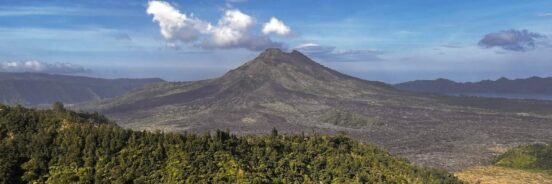
Deep in Indonesia’s eastern frontier lies one of the world’s most extraordinary cultural and ecological landscapes. Jayapura, the capital of Papua Province, is the gateway to the remote rainforest homeland of the Korowai tribe—an Indigenous community globally known for their iconic treehouses, profound forest knowledge, and resilient way of life.
For travelers seeking Indonesia’s ultimate hidden gem, the journey into Korowai territory is not about comfort or convenience. It is about immersion, respect, and discovery—entering a living wilderness where culture and nature remain inseparable.
Jayapura: The Gateway to Papua’s Hidden Interior
Set between emerald hills and the vast Pacific, Jayapura is both modern city and frontier outpost. It serves as the primary logistical base for expeditions into Papua’s interior, including the Korowai region in Yahukimo Regency.
Beyond its administrative role, Jayapura offers a first introduction to Papuan culture—through local markets, Lake Sentani traditions, and coastal communities shaped by Melanesian heritage. From here, small aircraft and river routes lead into landscapes that remain among the least altered on Earth.
The Korowai Forest: One of the World’s Last Primary Rainforests
The Korowai live within an immense stretch of lowland and swamp rainforest, largely untouched by modern infrastructure. This ecosystem is defined by towering sago palms, dense canopy layers, winding rivers, and peat-rich wetlands that support rare and endemic wildlife.
Key natural highlights include:
- Korowai Primary Rainforest – Virgin jungle with giant trees, lianas, and deep swamp systems.
- Treehouse Settlements – Elevated homes built 25–40 meters above ground for protection and security.
- Eilanden–Brazza River Corridor – The main access route into Korowai territory, often shrouded in morning mist.
- Sela Wetlands & Lowland Valleys – Important habitats for cassowaries, birds-of-paradise, and giant butterflies.
- Batu Lobo Hills – Remote observation points reached by river travel and forest trekking.
This region is not a destination for mass tourism. It is a fragile environment where access depends on seasonal river conditions and deep local knowledge.
Life Above the Ground: Korowai Treehouses
The Korowai are renowned for their extraordinary treehouses—some of the highest traditional dwellings on Earth. Built from ironwood, sago trunks, and forest vines, these structures serve both practical and symbolic purposes.
Treehouses protect families from flooding, insects, rival clans, and wild animals. More importantly, they reflect a worldview rooted in harmony with the forest. Construction is guided by ancestral rules, spiritual beliefs, and communal cooperation.
Visitors may observe or visit active treehouses only with permission from community leaders and under the guidance of local escorts.
Unique Experiences in Korowai Territory
Travel into Korowai land is immersive and physically demanding, offering experiences found nowhere else in Indonesia:
- Multi-hour treks through primary rainforest
- River journeys by traditional dug-out canoe
- Visits to active treehouse communities
- Forest survival demonstrations using bows and spears
- Sago processing and traditional cooking
- Wildlife observation and birdwatching at dawn and dusk
- Cultural exchanges centered on storytelling and ritual
Every activity depends on mutual respect and adherence to local customs.
Culinary Traditions of the Forest
Korowai cuisine reflects deep ecological knowledge and survival-based nutrition. Food is gathered, hunted, and prepared using methods refined over generations.
Notable traditional foods include:
- Roasted Sago – The staple food, providing energy and cultural identity
- Sago Grubs – A primary protein source, consumed raw or lightly cooked
- Smoked River Fish – Preserved using ancient smoking techniques
- Wild River Prawns – Caught with bamboo traps
- Papeda (Coastal Influence) – Introduced through trade with Jayapura communities
Meals are communal, seasonal, and closely tied to ritual life.
Culture, Rituals, and Social Structure
Korowai society is organized around small clan groups rather than centralized villages. There is no modern concept of land ownership; territory is understood through ancestry, memory, and spiritual markers.
Important cultural elements include:
- Treehouse inauguration ceremonies
- Collective hunting rituals
- Smoke-based insect protection rituals
- Body art using charcoal and red earth
- Oral traditions and forest-based navigation systems
Photography and documentation require explicit permission and cultural sensitivity.
Flora and Fauna: Papua’s Living Archive
The Korowai forest is a biodiversity stronghold, home to rare and endemic species such as:
- Dwarf cassowary
- Lesser birds-of-paradise
- Queen Alexandra’s birdwing butterfly
- Eastern spotted cuscus
- Giant wild sago palms
- Black Papuan orchids
- Bioluminescent fungi
Wildlife is most active during early morning and late afternoon, especially in the dry season.
Birdwatching in Korowai Land
For serious birders, this region is among Indonesia’s most rewarding yet challenging destinations.
Best observation times:
- 05:30–09:30
- 16:00–18:00
Notable species include birds-of-paradise, honeyeaters, parrots, and cockatoos. Ethical observation is essential—no playback calls or disruptive behavior.
Access and Travel Logistics
Reaching Korowai territory requires multiple stages:
- Jayapura to Dekai or Wamena – Small aircraft (45–50 minutes)
- River Travel – Motorized longboat (4–12 hours, depending on conditions)
- Forest Trekking – 2–6 hours on foot to reach communities
Local guides and customary permits are mandatory. Communication infrastructure is nonexistent beyond Dekai.
Practical Travel Information
Estimated Budget
- 3–6 day expedition: IDR 12–25 million per person
- Longboat rental: IDR 1.5–2.5 million
- Local porters: IDR 300,000–400,000 per day
- Customary permits required
Best Time to Visit
- May to October (drier season, safer river access)
Connectivity
- No signal in Korowai region
- Limited coverage in Jayapura and Dekai
Essential Packing
- Waterproof trekking boots
- Dry bags and rain protection
- High-lumen headlamp
- Insect repellent (DEET-based)
- Offline GPS and printed maps
Accommodation Options
Jayapura
- Swiss-Belhotel Jayapura
- Horizon Hotel Jayapura
- Lake Sentani resorts
Dekai
- Hotel Dekai Indah
- Local homestays for expedition teams
In Korowai territory, accommodation is typically tent-based or arranged with host families under agreed conditions.
Responsible Travel & Ethics
The Korowai are not a spectacle. They are a living culture navigating modern pressures while preserving ancestral knowledge. Responsible travel means:
- Traveling with licensed local guides
- Respecting cultural boundaries
- Avoiding intrusive photography
- Supporting local communities fairly
- Leaving no environmental impact
Why Jayapura & the Korowai Are an IndoHiddenGem
In an era of overtourism, the Korowai homeland remains one of Indonesia’s last true hidden gems—raw, challenging, and deeply meaningful. This is not a destination to consume, but one to understand.
For travelers drawn to authenticity, cultural depth, and untouched wilderness, Jayapura and the Korowai tribe offer an experience that redefines what exploration truly means.
Discover Indonesia beyond the obvious. Discover IndoHiddenGem.