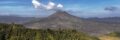
Central Java Travel Guide: Hidden Gems, Ancient Temples & Javanese Soul
There’s a place in Indonesia where time moves to the rhythm of ancient bells and the scent of clove cigarettes lingers in the cool mountain air. Central Java is not just a destination; it is the cultural heartbeat of the island. Here, the wild landscapes are dotted with temples that rival Angkor Wat, misty volcanoes pierce the clouds, and the soul of Javanese tradition is preserved in every graceful dance and intricate batik pattern. For the discerning traveler seeking more than a beach holiday, Central Java offers a profound journey into art, spirituality, and authenticity. It’s a province where you can stand before a 1,200-year-old Buddhist sanctuary at sunrise, trek to the rim of an active volcano, and then retreat to a quiet village where life has remained unchanged for centuries. This is Indonesia untouched by mass tourism, waiting to be explored.
OVERVIEW PROVINCE
Where is Central Java?
Located in the heart of the island of Java, Central Java (Jawa Tengah) is a province defined by its dramatic geography and deep-rooted traditions. It stretches from the Indian Ocean in the south to the Java Sea in the north, creating a landscape of soaring volcanic peaks, fertile valleys, and pristine southern beaches. The province is easily accessible via Adisutjipto International Airport in Yogyakarta (often considered the cultural capital) or Ahmad Yani International Airport in Semarang, the provincial capital. Central Java is the epicenter of Javanese culture, home to the mighty Borobudur and Prambanan temples, and serves as a gateway to understanding the island’s complex history and artistic heritage.
WHY VISIT CENTRAL JAVA?
- Unrivaled Heritage: Home to Borobudur, the world’s largest Buddhist temple, and Prambanan, one of Southeast Asia’s most stunning Hindu temple complexes.
- Volcanic Landscapes: Trek the otherworldly colored lakes of the Dieng Plateau or summit active volcanoes like Mount Merapi for breathtaking views.
- Authentic Culture: Experience the heart of Javanese arts, from traditional batik-making workshops in Solo to mesmerizing Ramayana ballets performed against a temple backdrop.
- Hidden Gems: Escape the crowds in centuries-old villages, discover pristine southern beaches with giant waves, and explore ancient temples hidden in the jungle.
TOP DESTINATIONS IN CENTRAL JAVA
Borobudur, Magelang
A UNESCO World Heritage site and the world’s largest Buddhist monument, Borobudur is an architectural marvel. Arrive at dawn to witness the sun rise over the surrounding volcanoes and mist-shrouded plains, a truly spiritual experience.
Prambanan, Sleman
A masterpiece of Hindu architecture, this collection of towering, pointed temples is dedicated to the Trimurti—the gods Brahma, Vishnu, and Shiva. The site is particularly magical during the full moon when the Ramayana ballet is performed on an open-air stage.
Solo (Surakarta)
The soul of Javanese tradition, Solo is a royal city where the Kraton (palace) remains a center of power. Explore the bustling Pasar Gede market, witness the creation of exquisite batik, and immerse yourself in a city that feels like a living museum.
Dieng Plateau
A volcanic highland that feels like another planet. This area is home to ancient Hindu temples, colorful sulfur lakes (Telaga Warna), a geothermal craters, and the tallest sea of sand in Java. It’s a haven for trekkers and those seeking cooler temperatures.
HIDDEN GEMS IN CENTRAL JAVA ⭐
- Karimunjawa Archipelago: Far from the mainland’s temples, this national park is an archipelago of 27 pristine islands. With crystal-clear turquoise water, white sand beaches, and thriving coral reefs, it’s a secret paradise that remains blissfully under the radar compared to Bali.
- Kebumen’s Southern Beaches: The south coast offers raw, untamed beauty. Beaches like Menganti and Logending are framed by dramatic karst cliffs, offering a secluded escape with powerful waves and stunning sunsets, perfect for those seeking solitude.
- Jomblang Cave: For the adventurous, this vertical cave in Gunungkidul offers a once-in-a-lifetime experience. Rappel 60 meters down into a subterranean forest where a “heavenly light” beam pierces the darkness, illuminating an ancient, collapsed cave system.
- Wonosobo’s Tea Plantations: While the Dieng Plateau is famous, the rolling Tambi Tea Plantation nearby offers a serene escape. Walk through endless rows of green tea bushes, learn about the tea-making process, and enjoy a fresh brew overlooking the misty mountains.
CULTURE & LOCAL LIFE
Central Java is the cradle of Javanese culture, characterized by a refined and deeply spiritual way of life. The region is predominantly Javanese, with a strong Islamic faith blended with ancient Hindu-Buddhist and animist traditions. This is best seen in the slametan (communal feasts) and the art of wayang kulit (shadow puppetry), which tells epic stories from the Ramayana and Mahabharata. The culture places a high value on politeness, subtlety, and harmony. Visitors will find that local life centers around the “alun-alun” (town square), where families gather in the evenings. Don’t miss the chance to try a traditional ronggeng dance or learn the patient art of membatik, which is recognized by UNESCO as a Masterpiece of Oral and Intangible Heritage of Humanity.
Best Time to Visit Central Java
The best time to visit Central Java is during the dry season, from May to October. During these months, the weather is sunny and relatively dry, with low humidity, making it ideal for temple exploration, volcano trekking, and island hopping to Karimunjawa. The peak tourist months are July and August, so for a quieter experience, consider visiting in May, June, or September. The wet season (November to April) brings heavy afternoon downpours, which can make trekking muddy and slippery, though it also means lush, vibrant landscapes and fewer crowds.
How to Get to Central Java
By Air: The province is served by two main international airports. Adisutjipto International Airport (JOG) in Yogyakarta is the main gateway for cultural tourism, with direct flights from Kuala Lumpur and Singapore. Ahmad Yani International Airport (SRG) in Semarang also serves international routes from Singapore and Kuala Lumpur. A third, Adisumarmo International Airport (SOC) in Solo, handles domestic flights from Jakarta and Bali.
By Sea: For a more scenic approach, you can travel by sea using the national ferry company, PELNI. Ships like the KM Kelud and KM Leuser operate routes connecting major Indonesian islands. You can disembark at Tanjung Emas Port in Semarang, the province’s main seaport. This is a unique and adventurous way to arrive, allowing you to see the Indonesian archipelago from the deck of a working passenger ship.
By Land: Central Java is easily accessible by train and bus from Jakarta, Surabaya, and Bali. The railway network is efficient, with executive class trains offering a comfortable and scenic journey through the Javanese countryside.
Travel Tips
- Transport: The most efficient way to explore between cities is by train. For reaching hidden gems and temples, hiring a private driver for the day is affordable and highly recommended.
- Safety: Central Java is generally very safe. However, always be cautious when trekking volcanoes; use a local guide, especially for Mount Merapi, and check the volcanic activity status beforehand.
- Local Culture: Dress modestly when visiting temples and villages. A sarong is required for entering Borobudur and Prambanan (often provided at the entrance). Always remove your shoes before entering a home or a mosque.
- Connectivity: Purchase a local Indonesian SIM card (Telkomsel has the best coverage) for reliable internet. WiFi is common in hotels and cafes in cities like Yogyakarta and Solo but can be limited in rural areas and on Karimunjawa.
Frequently Asked Questions
Q: Is Central Java suitable for first-time visitors to Indonesia?
A: Absolutely. While it lacks the beach clubs of Bali, it offers a more authentic and culturally rich experience. The tourist infrastructure in Yogyakarta, Solo, and around Borobudur is well-developed, with excellent hotels and guides.
Q: What is the best way to get to Karimunjawa?
A: The quickest way is by a 45-minute flight from Ahmad Yani Airport (Semarang) to Karimunjawa Airport (KWB). For a more budget-friendly and adventurous option, you can take a ferry from Jepara port in Central Java, which takes approximately 4-6 hours.
Q: Do I need a guide to visit Borobudur and Prambanan?
A: While you can explore on your own, hiring a local guide at the entrance is highly recommended. They provide invaluable context about the history, reliefs, and symbolism of the temples, transforming a simple visit into a deep cultural experience.
Q: Are there any health precautions I should take?
A: It is advised to only drink bottled or filtered water. For trekking, bring a good mosquito repellent. If you plan to trek Mount Merapi, a dust mask is recommended to protect against volcanic ash.
Explore more hidden destinations in Sumatra or discover other enchanting provinces like East Java and Bali across Indonesia for a complete archipelago adventure.
Start planning your journey to Central Java and uncover the soul of Indonesia before the world discovers its timeless secrets.