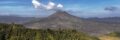
Ultimate Travel Guide To North Sulawesi, Indonesia
Table of Contents
North Sulawesi sits at the northeastern tip of Sulawesi Island like a gateway between Indonesia and the Pacific. For many international travelers, the province remains overshadowed by Bali, Lombok, or Java. Yet those who make the journey north often discover one of the most diverse travel experiences in Indonesia — volcanic highlands, coral reefs exploding with marine life, jungle-covered islands, traditional Minahasan culture, and some of the country’s most dramatic coastal scenery.
This province feels different from many other Indonesian destinations. Christian churches stand beside traditional Minahasan wooden houses. Volcanoes rise directly behind seaside towns. Markets sell fiery sambal and smoked fish beside mountain-grown coffee. Offshore, divers descend into walls of coral where sea turtles drift through warm currents and tiny rare creatures hide in black volcanic sand.
For adventure travelers, North Sulawesi offers world-class diving in Bunaken, volcanic trekking around Tomohon, wildlife encounters in Tangkoko, and island hopping across remote tropical archipelagos. Nature lovers can spend days moving between cloud forests, crater lakes, and untouched beaches without encountering heavy tourist crowds. Cultural travelers find strong local traditions, distinctive cuisine, and communities that still feel deeply connected to the landscape around them.
One of the greatest strengths of North Sulawesi is its balance between accessibility and wilderness. International connections through Manado continue to improve, yet large parts of the province still feel undiscovered. Travelers can enjoy comfortable resorts and cafés in the capital before heading into remote islands or mountain villages that feel far removed from mass tourism.
For photographers, divers, backpackers, honeymooners, and explorers searching for authentic Indonesia beyond the typical tourist trail, North Sulawesi offers an atmosphere that feels adventurous without becoming overwhelming. It is a destination where rainforest-covered volcanoes meet coral reefs, where traditional markets still shape daily life, and where many of Indonesia’s most unforgettable natural experiences remain surprisingly under the radar.
Why Visit North Sulawesi
North Sulawesi stands apart because of its extraordinary geographical diversity. Few provinces in Indonesia combine active volcanoes, deep ocean trenches, marine biodiversity, tropical islands, cool mountain towns, and dense wildlife reserves within relatively short travel distances.
Unlike Bali’s heavily developed tourism zones, North Sulawesi still feels raw and exploratory. Travelers often describe the province as more immersive and less commercialized. Local interactions tend to feel genuine rather than transactional, especially outside Manado and Bunaken.
The province is globally recognized among divers. The waters surrounding Bunaken National Park contain some of the richest coral ecosystems in the world, attracting underwater photographers and marine biologists from across Europe and North America. Massive coral walls, reef sharks, turtles, and rare macro species make the region one of Southeast Asia’s premier diving destinations.
Yet North Sulawesi is not only for divers.
Inland, the highlands around Tomohon provide a completely different atmosphere. The air becomes cooler, volcanoes dominate the skyline, and fertile farmland stretches across hillsides. Morning fog drifts through villages while local markets display colorful spices, flowers, and mountain produce. Travelers can hike volcanoes like Mount Lokon or explore crater lakes surrounded by forested ridges.
Wildlife lovers are also drawn to the province because of places like Tangkoko Nature Reserve. This protected forest is one of the few locations where travelers can see spectral tarsiers, black macaques, hornbills, and other endemic Sulawesi species in their natural habitat.
The islands around North Sulawesi create another layer of adventure. Areas such as the Bangka Islands, Lembeh Strait, and the Sangihe archipelago remain relatively underdeveloped compared to Indonesia’s more famous beach destinations. Many beaches feel isolated and quiet, especially during weekdays.
Culturally, North Sulawesi has a distinctive identity shaped by Minahasan traditions, colonial influences, maritime history, and strong community life. Food here is also among the most unique in Indonesia, known for bold spices, rich seafood, smoky flavors, and intense chili-based sambals.
For international travelers seeking Indonesia beyond the mainstream tourist circuit, North Sulawesi offers:
- Exceptional diving and snorkeling
- Volcano trekking
- Wildlife encounters
- Authentic local culture
- Remote island experiences
- Scenic mountain landscapes
- Relatively low tourist density
- Strong adventure travel potential
The province rewards curious travelers willing to explore beyond typical Southeast Asian routes.
Best Places To Visit In North Sulawesi
Manado
Manado serves as the main gateway into North Sulawesi. Located beside a sweeping bay backed by green hills, the city combines urban energy with quick access to marine and mountain destinations.
Most travelers use Manado as a base before continuing to Bunaken or the highlands, but the city itself offers excellent seafood restaurants, lively cafés, waterfront sunsets, and local culinary experiences. Boulevard area becomes especially active in the evenings when locals gather along the coast.
Best activities:
- Seafood dining
- Sunset photography
- Visiting local markets
- Exploring nearby beaches
- Using Manado as a diving gateway
Best time to visit:
June to October generally offers drier weather.
Travel atmosphere:
Relaxed urban coastal city with strong local culture.
Bunaken National Park
Bunaken is North Sulawesi’s most internationally famous destination. The national park contains extraordinary marine biodiversity and dramatic underwater wall diving.
Divers often describe Bunaken’s visibility as exceptional, especially during calm conditions. Massive coral formations descend into deep blue water while turtles glide through currents. Snorkelers can also enjoy vibrant reefs close to shore.
Several small islands form the park, each offering different dive environments. Accommodation ranges from simple dive lodges to more comfortable beachfront resorts.
Best activities:
- Scuba diving
- Snorkeling
- Underwater photography
- Island relaxation
- Boat excursions
Best time to visit:
March to October generally provides ideal diving conditions.
Accessibility:
Boat transfers from Manado take around 30–60 minutes.
Travel atmosphere:
Marine-focused tropical island experience with relaxed pacing.
Tomohon
Located in the cool Minahasan highlands, Tomohon offers a completely different atmosphere compared to coastal North Sulawesi.
Volcanoes surround the town, creating dramatic scenery throughout the region. Flower farms, crater lakes, mountain roads, and traditional villages make Tomohon ideal for travelers seeking cooler temperatures and outdoor activities.
The town also serves as a base for volcano trekking and cultural exploration.
Best activities:
- Volcano trekking
- Exploring local markets
- Visiting Lake Linow
- Photography
- Mountain road trips
Best time to visit:
Dry season from June to September.
Travel atmosphere:
Cool mountain town with strong local character.
Lake Linow
Lake Linow is known for its changing water colors caused by volcanic minerals beneath the surface. Depending on sunlight and conditions, the lake can shift between green, turquoise, and brown shades.
Steam vents rise along parts of the shoreline, adding to the volcanic atmosphere. The surrounding hills create excellent panoramic viewpoints, especially during early morning or late afternoon.
Best activities:
- Scenic photography
- Relaxing at lakeside cafés
- Birdwatching
- Short hikes
Travel atmosphere:
Peaceful volcanic landscape with cooler weather.
Mount Lokon
Mount Lokon is one of North Sulawesi’s best-known volcanoes. Though volcanic activity varies, trekking routes around the mountain provide dramatic views across the highlands.
The terrain combines volcanic rock, grasslands, and forest sections. On clear days, hikers can see surrounding mountains and valleys stretching toward the coast.
Best activities:
- Volcano trekking
- Landscape photography
- Adventure hiking
Best time to visit:
Early morning hikes during dry season.
Tangkoko Nature Reserve
Tangkoko is one of Indonesia’s most important wildlife destinations. The reserve protects several endemic Sulawesi species, including black crested macaques and tiny spectral tarsiers.
Guided walks through the forest provide opportunities to observe wildlife during dawn or dusk. The reserve’s biodiversity attracts photographers, birdwatchers, and nature-focused travelers.
Best activities:
- Wildlife trekking
- Birdwatching
- Photography
- Nature tours
Best time to visit:
Dry season offers easier trekking conditions.
Travel atmosphere:
Dense rainforest adventure with strong eco-tourism appeal.
Lembeh Strait
Lembeh Strait has become legendary among underwater photographers because of its muck diving. Unlike colorful coral-focused dive sites, Lembeh specializes in rare and unusual marine creatures hiding within volcanic sand environments.
Divers may encounter frogfish, mimic octopus, seahorses, nudibranchs, and countless macro species rarely seen elsewhere.
Best activities:
- Macro photography diving
- Advanced diving
- Marine life observation
Travel atmosphere:
Specialized dive destination with quiet coastal surroundings.
Bangka Island
Bangka Island combines beautiful coral reefs with a quieter island atmosphere compared to Bunaken. White sand beaches, clear water, and small fishing villages create a peaceful tropical setting.
Many travelers combine Bangka with Bunaken and Lembeh as part of a broader North Sulawesi diving route.
Best activities:
- Diving
- Snorkeling
- Beach relaxation
- Kayaking
Travel atmosphere:
Remote tropical island escape.
Hidden Gems In North Sulawesi
Pulisan Beach
Located east of Manado, Pulisan Beach remains relatively quiet compared to Indonesia’s major beach destinations. Rolling green hills surround the coastline while offshore rock formations create dramatic scenery.
The area is excellent for travelers seeking peaceful coastal landscapes without large resorts.
Mahawu Volcano
Mount Mahawu is often overshadowed by Lokon, yet many travelers prefer it because the crater is easier to access. A relatively short hike leads to panoramic viewpoints overlooking volcanic landscapes and distant coastline.
The crater itself contains sulfur vents and colorful volcanic terrain.
Sangihe Islands
Closer to the Philippines than mainland Sulawesi, the Sangihe Islands feel incredibly remote. Palm-covered coastlines, volcanic peaks, and isolated villages create an atmosphere rarely found in mainstream Indonesian tourism.
Travel here requires more effort, but adventurous travelers are rewarded with authentic island experiences.
Siladen Island
Though located near Bunaken, Siladen often receives fewer visitors. The island offers calmer beaches and excellent snorkeling with beautiful sunset views toward Manado Tua volcano.
Best Things To Do In North Sulawesi
Diving And Snorkeling
North Sulawesi is among Southeast Asia’s premier diving destinations. Bunaken, Lembeh, and Bangka collectively offer wall diving, macro diving, drift diving, and coral exploration.
Even non-divers can enjoy snorkeling directly from beaches or boat excursions.
Volcano Trekking
Volcanic landscapes define much of North Sulawesi’s interior. Treks range from relatively accessible crater hikes to more demanding mountain routes.
Popular volcanoes include:
- Mount Lokon
- Mount Mahawu
- Soputan Volcano
- Karangetang Volcano
Early morning departures usually provide the clearest views.
Wildlife Watching
Tangkoko remains the highlight for wildlife encounters, especially for observing endemic Sulawesi species.
Travelers may encounter:
- Spectral tarsiers
- Black macaques
- Hornbills
- Cuscus
- Tropical birds
Guided tours significantly improve wildlife spotting opportunities.
Island Hopping
The province contains numerous islands scattered across the Celebes Sea. Boat journeys allow travelers to combine beaches, diving, fishing villages, and remote coastal scenery.
Popular island routes include:
- Bunaken
- Siladen
- Bangka
- Gangga
- Sangihe
Cultural Exploration
Minahasan villages and highland communities provide insight into local traditions, architecture, and food culture. Local markets especially offer immersive experiences for travelers interested in daily life.
Local Culture And Traditions
North Sulawesi is culturally diverse, though Minahasan identity strongly shapes much of the province.
Unlike many other Indonesian provinces, Christianity plays a major role in daily life here due to historical missionary influence. Churches are common throughout towns and villages, particularly in the highlands.
Traditional Minahasan houses are recognizable by their elevated wooden structures and wide roofs designed for tropical climates. Some villages still preserve elements of older architectural styles despite modernization.
Music and community celebrations remain important across the province. Festivals often involve dance performances, local cuisine, and communal gatherings.
Travelers should also understand that North Sulawesi cuisine can be extremely spicy. Sambal accompanies many dishes, and local food culture embraces bold flavors.
Cultural etiquette tips:
- Dress respectfully in villages
- Ask permission before photographing people
- Remove shoes when entering homes if invited
- Respect religious sites and ceremonies
- Learn simple Indonesian greetings
Local hospitality is often warm and welcoming, particularly toward international visitors exploring beyond major tourist areas.
Food And Local Cuisine
North Sulawesi cuisine is among Indonesia’s most distinctive culinary traditions. Seafood, chili, coconut, and aromatic herbs dominate many dishes.
Tinutuan
Also known as Manado porridge, tinutuan combines rice with vegetables, pumpkin, corn, and herbs. It is commonly eaten for breakfast.
Rica-Rica Dishes
“Rica” refers to spicy chili seasoning. Chicken, fish, or seafood cooked rica-rica style becomes intensely flavorful and fiery.
Grilled Seafood
Fresh fish and squid are widely available throughout coastal towns. Many restaurants grill seafood over charcoal and serve it with sambal and rice.
Klappertaart
This Dutch-influenced coconut dessert remains popular in North Sulawesi. It combines coconut, milk, and sweet custard textures.
Local Coffee
Highland regions around Tomohon produce locally grown coffee often served in traditional cafés with mountain views.
Best Time To Visit North Sulawesi
| Season | Conditions | Best For |
|---|---|---|
| June – October | Drier weather | Diving, trekking, island hopping |
| November – February | Wetter season | Lush landscapes, fewer tourists |
| March – May | Transitional months | Mixed conditions, decent diving |
Diving visibility often peaks during calmer dry-season months. Volcano trekking is generally safer during drier periods, while rainy season can make mountain trails slippery.
How To Get To North Sulawesi
Most international travelers arrive through Sam Ratulangi International Airport in Manado.
Domestic connections are available from:
- Jakarta
- Bali
- Makassar
- Surabaya
- Singapore (limited international routes may vary)
From Manado, travelers continue by:
- Boat transfers
- Private drivers
- Domestic ferries
- Tour operators
Some remote islands require additional ferry or charter arrangements.
Transportation Inside North Sulawesi
Transportation conditions vary widely across the province.
Common options include:
- Private car hire with driver
- Scooter rentals
- Shared minibuses
- Intercity buses
- Boat transfers between islands
For mountain regions and remote coastal areas, hiring a local driver is often the most efficient option.
Road conditions in rural areas can become challenging during heavy rain.
Travel Costs And Budget Tips
North Sulawesi remains relatively affordable compared to Bali.
Backpacker Budget
Estimated daily budget:
USD 25–50
Includes:
- Guesthouses
- Local food
- Shared transport
- Budget tours
Mid-Range Budget
Estimated daily budget:
USD 70–150
Includes:
- Boutique hotels
- Diving packages
- Private transport
- Comfortable dining
Luxury Budget
Estimated daily budget:
USD 200+
Includes:
- Dive resorts
- Private tours
- Premium island stays
- High-end dining experiences
Diving trips represent the largest cost for many travelers.
Where To Stay In North Sulawesi
Backpacker Hostels
Manado offers the largest selection of budget accommodation.
Dive Resorts
Bunaken, Lembeh, and Bangka contain numerous dive-focused resorts ranging from simple eco-lodges to luxury beachfront properties.
Mountain Retreats
Tomohon and surrounding highlands provide scenic accommodation with cooler temperatures and volcano views.
Remote Island Eco Lodges
Smaller islands increasingly offer eco-friendly stays focused on sustainability and marine conservation.
Suggested Itineraries
3 Days In North Sulawesi
Day 1:
- Arrive in Manado
- Explore city and seafood restaurants
Day 2:
- Bunaken snorkeling or diving
Day 3:
- Tomohon highlands and Lake Linow
7 Days In North Sulawesi
Day 1–2:
Manado and Bunaken
Day 3–4:
Tomohon and volcano trekking
Day 5:
Tangkoko wildlife reserve
Day 6–7:
Bangka Island or Lembeh diving
Adventure Itinerary
Focus on:
- Volcano hiking
- Wildlife trekking
- Diving
- Remote islands
- Photography expeditions
Travel Tips For International Travelers
- Purchase local SIM cards in Manado for better connectivity
- Carry cash outside major towns
- Respect local customs and religious sites
- Drink bottled or filtered water
- Use reef-safe sunscreen when diving or snorkeling
- Prepare for slower transportation in remote areas
- Domestic flights may experience delays during bad weather
English is spoken in some tourism areas, but basic Indonesian phrases help significantly.
Frequently Asked Questions About North Sulawesi
Is North Sulawesi safe for international travelers?
Yes, most travelers find North Sulawesi welcoming and relatively safe, especially in tourism areas.
What is the best month to visit North Sulawesi?
June to October is generally considered the best period for diving and outdoor activities.
How many days are enough for North Sulawesi?
At least 7–10 days allows travelers to combine diving, volcanoes, and wildlife experiences.
Is North Sulawesi expensive?
Compared to Bali, North Sulawesi remains relatively affordable except for specialized diving activities.
Can foreigners travel independently?
Yes. Independent travel is possible, though remote islands may require additional planning.
Is Bunaken worth visiting?
Absolutely. Bunaken is considered one of Indonesia’s top marine destinations.
Do I need diving certification?
No for snorkeling, but scuba diving requires certification unless participating in beginner introductory dives.
Is North Sulawesi good for families?
Yes, particularly for nature-focused families interested in beaches, wildlife, and outdoor experiences.
Final Thoughts
North Sulawesi feels like one of Indonesia’s last truly multi-dimensional adventure destinations. Few regions combine marine biodiversity, volcanic landscapes, wildlife reserves, mountain culture, and remote tropical islands so naturally within a single province.
What makes the province memorable is not only the scenery itself, but the atmosphere surrounding it. Villages still feel connected to local traditions. Diving sites remain remarkably healthy compared to many global reef systems. Mountain roads continue to lead toward quiet lakes, hidden viewpoints, and forested volcanoes without heavy commercialization.
For travelers willing to move beyond Indonesia’s most famous destinations, North Sulawesi rewards curiosity with experiences that feel more immersive, more authentic, and often more surprising than expected.
Whether diving beneath Bunaken’s coral walls, watching tarsiers emerge at dusk in Tangkoko, or standing above volcanic craters in the Minahasan highlands, travelers quickly realize that North Sulawesi is not simply another tropical destination. It is one of Indonesia’s most compelling hidden frontiers for exploration.