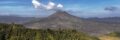
East Java – The Land of Fire & Adventure
East Java Travel Guide: Volcanoes, Hidden Gems & Raw Adventure in Indonesia
East Java is where Indonesia reveals its wildest soul—a land sculpted by fire, ash, and time. Sitting along the volatile Pacific Ring of Fire, this region showcases some of the most dramatic volcanic landscapes on Earth, where smoking craters, vast calderas, and surreal blue flames create scenes that feel almost extraterrestrial.
Yet East Java is far more than volcanoes. It is a place of striking contrasts—where misty mountain ranges collapse into savannas that resemble East Africa, and hidden waterfalls plunge into jungle amphitheaters untouched by mass tourism. From the legendary sunrise over Mount Bromo to the electric-blue sulfur flames of Ijen Crater, every journey here feels raw, immersive, and unforgettable.
For travelers seeking more than just scenery—for those chasing adrenaline, authenticity, and true exploration—East Java stands as one of Southeast Asia’s last great frontiers.
Why Visit East Java?
- Otherworldly Landscapes – Volcanoes, acid lakes, savannas, and jungle valleys in one region
- Authentic Experiences – Far fewer crowds than Bali or Lombok
- Adventure Travel Hub – Sunrise hikes, night treks, waterfalls, and remote islands
- Deep Cultural Roots – Legacy of the Majapahit Empire and living Hindu traditions
Where Is East Java?
East Java occupies the eastern third of Java Island, acting as a natural gateway between Indonesia’s cultural heartland and Bali.
The main entry point is Juanda International Airport in Surabaya, while the ferry route from Banyuwangi to Bali makes it easy to combine both destinations in one trip.
The Land of Natural Wonders
While cities like Surabaya and Malang offer glimpses of colonial history and modern Indonesian life, the true essence of East Java lies far beyond the urban sprawl.
This is a province built for exploration. Trekking routes wind through volcanic ridges, hidden valleys conceal towering waterfalls, and remote national parks reveal ecosystems rarely seen elsewhere in Java. The terrain can be challenging, but every step leads to views that feel earned—raw, cinematic, and unforgettable.
Top Destinations in East Java
Bromo Tengger Semeru National Park
Home to Mount Bromo, this iconic landscape features a vast “sea of sand” surrounded by volcanic peaks. Sunrise here is one of the most famous experiences in Indonesia.
Ijen Plateau
Known for its turquoise acid lake and rare blue fire phenomenon, Ijen Crater offers one of the most unique night hikes in the world.
Surabaya
A dynamic gateway city blending history, modern Indonesia, and rich culinary culture.
Hidden Gems in East Java: Into the Wild
Tumpak Sewu Waterfall
Often called the “Thousand Waterfalls,” Tumpak Sewu Waterfall is a breathtaking natural amphitheater where countless streams cascade into a deep, mist-filled canyon. Unlike typical waterfalls, this is a full panoramic spectacle—widely considered one of the most beautiful in Southeast Asia.
Baluran National Park
Nicknamed the “Little Africa of Java,” Baluran National Park offers a completely different landscape. In the Bekol Savanna, especially during the dry season, you’ll see deer, wild buffalo, and dramatic mountain backdrops that resemble the Serengeti.
Madakaripura Waterfall
Hidden within a towering canyon, Madakaripura Waterfall feels like a sacred sanctuary. Water pours endlessly from above, creating a mystical chamber of rain and mist.
According to legend, this was the final meditation site of the महान Majapahit general, Gajah Mada.
Gili Labak Island
A tiny sandbar island off Madura, perfect for crystal-clear المياه, snorkeling, and complete isolation—far from Indonesia’s typical tourist routes.
Trowulan (Majapahit Ruins)
An underrated archaeological site believed to be the capital of the powerful Majapahit Empire, where ancient red-brick temples and pools sit quietly among rice fields.
Culture & Local Life
East Java’s identity is deeply tied to the legacy of the Majapahit Empire and the traditions of the Tenggerese people, who still consider Mount Bromo a sacred site.
Their annual Kasada Ceremony involves throwing offerings into the volcano—a rare and powerful cultural experience.
Local cuisine is bold and unforgettable, with dishes like Rawon (rich black beef soup) and Soto Ayam (turmeric chicken soup) representing the region’s culinary depth.
Best Time to Visit East Java
The best time to visit is during the dry season (May to September), when skies are clear and trekking conditions are ideal.
- Best for volcano views: June – August
- Avoid: December – February (heavy rains, poor visibility)
How to Get to East Java
- By Air: Fly into Juanda International Airport
- By Sea: Ferry from Banyuwangi to Bali (24/7)
- Overland: Popular route from Bali to Java via Ketapang
Travel Tips for International Travelers
- Transport: Hire a private driver for efficiency
- Safety: Use guides for volcano treks, especially Ijen
- Clothing: Bring warm layers (volcano areas can be cold)
- Respect Culture: Dress modestly in villages and sacred sites
- Connectivity: Good in cities, limited in remote areas
Frequently Asked Questions
How many days do I need in East Java?
At least 4–5 days for Bromo and Ijen. A full week is ideal to explore hidden gems.
Can I combine East Java with Bali?
Yes—this is one of the most popular travel routes in Indonesia.
Is the Ijen blue fire safe?
Yes, with a guide and proper equipment (gas mask required).
Final Thoughts: Why East Java Should Be on Your List
East Java is not polished—and that is exactly its magic. It is raw, powerful, and deeply rewarding.
For travelers from Europe and the US seeking something beyond typical tropical escapes, this region offers a rare combination of extreme landscapes, living culture, and true discovery.