
Cultural Heritage & Spiritual Rituals
Indonesia’s Hidden Culture Heritage Gems: From Sabang to Merauke
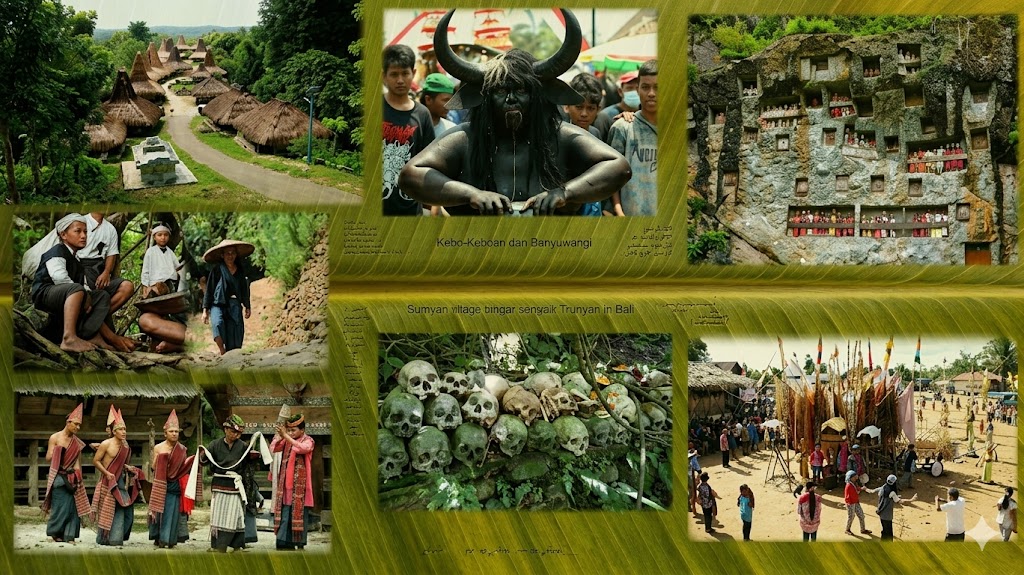
Beyond the glittering skyscrapers of Jakarta and the famous sunsets of Bali, Indonesia holds a vast cultural landscape shaped by ancient beliefs and sacred rituals. From the tip of Sumatra to the borders of Papua, the archipelago preserves living traditions that define the very soul of the nation.
If you are looking for hidden cultural heritage in Indonesia, this guide explores the timeless customs that offer a deep connection to nature, ancestry, and the cycle of life.
1. Baduy Tribe, Banten – Guardians of Sacred Simplicity
Deep in the forests of Lebak, the Baduy Dalam culture remains one of the most preserved indigenous lifestyles in Java. Following the pikukuh (ancestral law), the Inner Baduy reject modern technology—no electricity, no vehicles, and no footwear.
Visiting the Baduy tribe in Indonesia feels like stepping back centuries. Their belief system, Sunda Wiwitan, emphasizes a profound balance between human existence and the natural world, making them the ultimate guardians of indigenous culture in Java.
2. Banyuwangi, East Java – The Sacred Kebo‑Keboan Ritual
In the village of Alasmalang, the Kebo-Keboan Banyuwangi ritual showcases the spiritual bond between farmers and their land. Men transform into “human buffaloes,” painting their bodies black and wearing wooden horns to symbolize the power of the earth.
This traditional ritual in East Java is more than a performance; it is a sacred prayer for fertility and a successful harvest, representing the heart of agrarian culture in Indonesia.
3. Toraja, South Sulawesi – Where Death Is a Sacred Journey
In South Sulawesi, the Toraja Rambu Solo ceremony is perhaps the most complex funeral tradition in the world. For the Toraja people, death is not a sudden goodbye but a gradual transition.
The deceased is often kept at home for months, treated as to makula (a sick person), until the family can host a grand funeral involving buffalo sacrifices and cliffside burials. This cultural heritage in Sulawesi offers a unique perspective on the afterlife and ancestral honor
4. Batak Toba, North Sumatra – The Mangongkal Holi Ceremony
The Batak Toba culture is deeply rooted in tarombo (genealogy). One of their most significant rites is Mangongkal Holi, where the bones of ancestors are exhumed, cleaned, and moved to a communal stone tomb (Sambat).
Accompanied by tortor dances and traditional music, this ceremony ensures that the spirits of the ancestors continue to protect and bless the living, making it a cornerstone of traditional funerals in Sumatra.
5. Dayak Tribes, Kalimantan – The Tiwah Soul Ceremony
Among the Ngaju Dayak, the Dayak Tiwah ceremony is a secondary funeral ritual designed to guide the soul (liau) to the highest heaven. The remains are moved to a beautifully carved wooden mausoleum called a sandung.
This intricate ritual is a vital part of Dayak culture in Kalimantan, showcasing the deep spiritual connection between the people and the ancient rainforests.
6. Trunyan Village, Bali – The Ancient Open‑Air Burial
While most of Bali is known for cremation (Ngaben), Trunyan burial in Bali follows a much older tradition. Located on the shores of Lake Batur, bodies are laid to rest above ground beneath the Taru Menyan tree.
Remarkably, the tree’s natural fragrance neutralizes any odor. This Bali hidden culture provides a glimpse into the island’s pre-Hindu animist roots and ancient burial rituals in Indonesia.
7. Sumba, East Nusa Tenggara – A Living Megalithic Culture
Sumba is one of the last places on Earth where Sumba megalithic culture is still a daily reality. Villagers pull massive stone slabs weighing tons to build tombs for their ancestors.
Coupled with the Pasola ritual—a traditional horseback spear-fighting festival—Sumba offers a rare opportunity to witness a traditional culture in NTT that has remained unchanged for millennia.
8. Papua – Mummies and Ancestral Guardians
In the highlands of Papua, the Papua Dani mummies represent the ultimate respect for tribal leaders. Through a unique smoking process, these mummies are preserved for hundreds of years inside honai huts.
From the Dani tribes to the Marind-anim in Merauke, these indigenous tribes in Papua maintain some of the oldest ancient traditions in Indonesia, acting as living bridges to the prehistoric past.
Why Indonesia’s Hidden Heritage Matters
These traditions are not just “attractions”—they are living philosophies. As the world modernizes, these off-the-beaten-path Indonesia experiences teach us about respect, community, and harmony. Exploring them responsibly ensures that the “Soul of the Archipelago” survives for generations to come.
How to Experience Indonesia’s Cultural Heritage Responsibly
- Seek Permission: Always engage local guides and community elders.
- Observe Respectfully: Dress modestly and follow village customs.
- Support Local Communities: Choose homestays and local services.
- Document Ethically: Never photograph sacred rituals without consent.
Conclusion – The Soul of the Archipelago
From the sacred forests of the Baduy to the ancestral mummies of Papua, Indonesia’s true wealth lies in its cultural diversity. By practicing respectful tourism and cultural preservation, these hidden heritage gems can continue to inspire future generations.
🌏 Ready to Explore the Unseen Indonesia?
Don’t stop at the mainstream! Discover more “hidden gems,” travel tips, and cultural guides across the Indonesian archipelago.
Explore More Destinations:
- Check out our latest guides on Sumatra’s hidden beaches
- Discover the best homestays in Eastern Indonesia
Join the Conversation: Have you visited any of these cultural sites? Share your experience in the comments below or tag us on social media!