
Ultimate Travel Guide To Riau Islands, Indonesia
Table of Contents
The scattered islands of Indonesia often hide in the shadow of Bali, Lombok, and Java. Yet just south of Singapore lies a province where tropical islands, quiet fishing villages, white-sand beaches, luxury resorts, and remote hidden gems create one of Southeast Asia’s most underrated travel destinations. The Riau Islands Province — locally known as Kepulauan Riau — is a vast maritime region made up of thousands of islands spread across the South China Sea.
For many international travelers, the province is often associated only with Batam or Bintan. But beyond the ferry terminals and resorts lies a much larger world: untouched islands in Anambas, traditional Malay culture in Penyengat Island, granite boulder beaches in Bintan, hidden lagoons, remote snorkeling spots, floating seafood villages, and slow island life rarely experienced by mass tourism.
Unlike Bali’s crowded beach clubs or Java’s busy cities, the Riau Islands offer a softer and calmer travel atmosphere. Travelers can spend mornings exploring mangrove forests, afternoons sailing between islands, and evenings enjoying fresh seafood beside quiet fishing harbors. Some islands feel modern and international due to their proximity to Singapore, while others remain deeply connected to traditional maritime culture.
For European and US travelers searching for tropical islands beyond mainstream tourism, the Riau Islands Province offers a balance rarely found in Southeast Asia. Luxury resorts exist beside humble fishing villages. Remote islands remain accessible without extreme trekking. Clear turquoise waters surround islands where few foreign travelers stay overnight.
Whether you are looking for island hopping adventures, secluded beaches, cultural heritage, diving, eco-tourism, or simply a slower tropical atmosphere, the Riau Islands Province can become one of Indonesia’s most surprising destinations.
Why Visit Riau Islands?
The biggest reason to visit the Riau Islands is diversity. The province is not a single island destination but an enormous archipelago with completely different travel experiences depending on where you go.
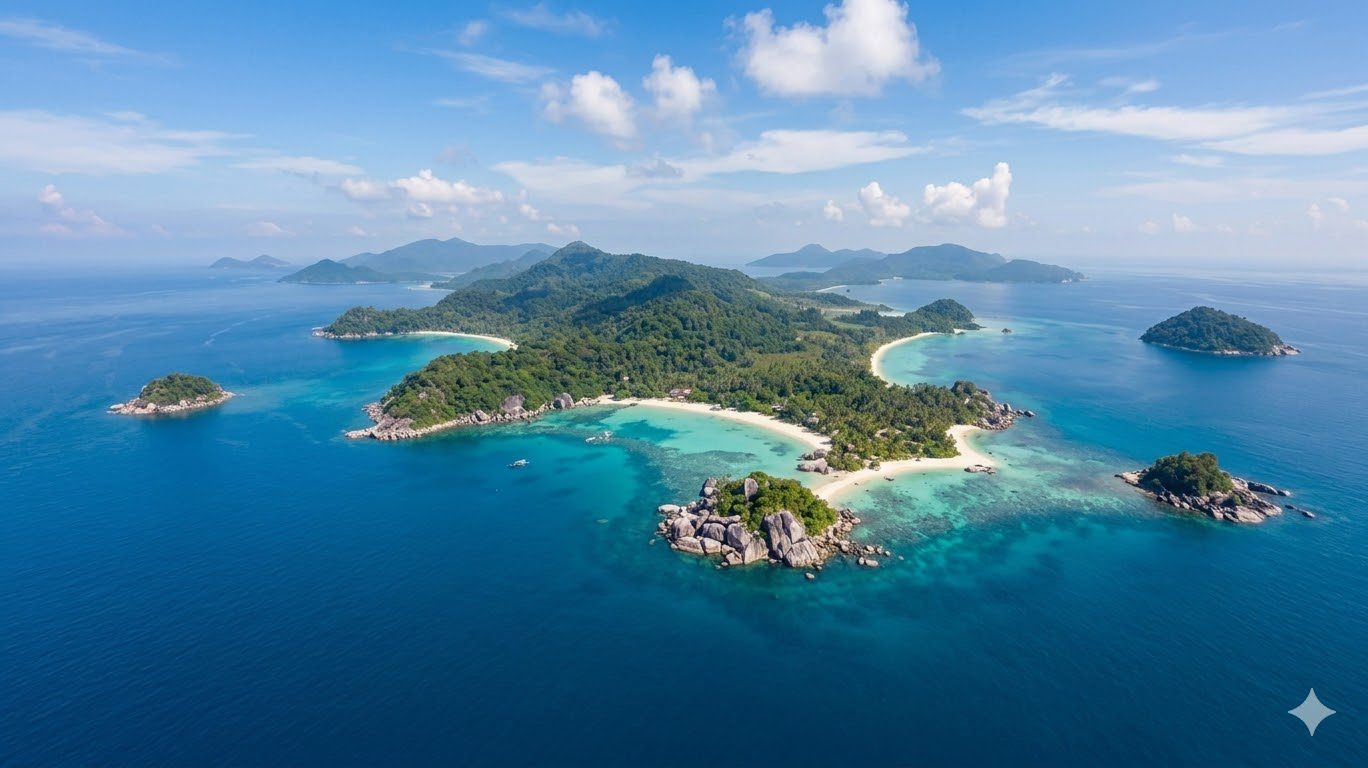
Bintan combines luxury beach resorts with hidden coastal villages and dramatic granite beaches. Batam offers easy access from Singapore alongside golf courses, seafood restaurants, shopping centers, and nearby island escapes. Anambas Islands feel almost untouched, with clear waters and remote beaches often compared to the Maldives before large-scale tourism.
The province also offers one of the easiest introductions to Indonesia for first-time travelers. Ferries from Singapore and Malaysia connect directly to Batam and Bintan, making the islands accessible even for travelers with limited time. Yet despite this convenience, many areas still feel authentic and relaxed.
Another major attraction is the maritime atmosphere. Unlike mountain-heavy destinations such as Sumatra or Java, the Riau Islands are shaped entirely by the sea. Wooden fishing boats cross calm waters between islands, seafood markets operate near small harbors, and island life follows the rhythm of tides and weather.
Travelers interested in photography will also find enormous variety here. Sunrise over quiet fishing piers, turquoise lagoons, tropical sunsets, colorful boats, traditional stilt houses, and granite rock formations create constantly changing scenery.
The province also holds strong historical and cultural significance. The Malay Sultanates once played an important role across the region, influencing language, trade, literature, and Islamic culture. Places like Penyengat Island preserve royal tombs, old mosques, and Malay heritage that many international tourists overlook.
Compared to heavily developed tourism destinations, the Riau Islands still retain a feeling of discovery. Travelers can often find beaches without crowds, small islands with minimal infrastructure, and local communities still living traditional coastal lifestyles.
Best Places To Visit In Riau Islands
Bintan Island
Bintan is the most famous destination in the province and often serves as the gateway for international visitors arriving by ferry from Singapore. The northern part of the island is known for luxury resorts, golf courses, and private beaches, but the island offers far more beyond the resort zone.
Travelers can explore Blue Lake and the abandoned sand mining landscapes near Kijang, visit white beaches around Trikora, discover mangrove forests by boat, or spend evenings in small seafood villages.
Bintan works well for couples, families, and travelers seeking both comfort and exploration. The island combines accessibility with enough hidden corners to avoid feeling overly commercial.
Best activities:
- Mangrove tours
- Beach hopping
- Snorkeling
- Seafood dining
- Luxury resort stays
- Photography
Best time to visit:
- March to October for sunnier weather
Travel atmosphere:
- Relaxed tropical island escape with mixed luxury and local culture
Batam
Batam is often seen only as a transit city, but the island has developed into one of Indonesia’s most convenient short-stay destinations. Located very close to Singapore, Batam offers international-standard hotels, golf resorts, nightlife, shopping, and easy ferry access.
Beyond the urban areas, travelers can visit Barelang Bridge, coastal fishing villages, seafood restaurants built over the water, and smaller islands nearby.
Batam is also useful as a transportation hub for exploring more remote parts of the Riau Islands.
Best activities:
- Seafood culinary tours
- Spa and wellness retreats
- Coastal photography
- Island hopping
- Ferry connections to nearby islands
Best time to visit:
- Year-round, although dry months are generally more pleasant
Travel atmosphere:
- Urban tropical gateway with nearby island escapes
Anambas Islands
The Anambas Islands are among Indonesia’s greatest hidden tropical destinations. Located far from major tourism routes, the islands offer clear turquoise waters, coral reefs, empty beaches, and remote island scenery.
Many travelers compare Anambas to Raja Ampat or the Maldives before mass tourism development. The islands remain relatively difficult to access, which helps preserve their peaceful atmosphere.
Small fishing communities still dominate many islands, while tourism infrastructure remains modest. Travelers looking for nightlife or shopping will not find much here, but those searching for isolation and natural beauty may consider Anambas one of the highlights of Indonesia.
The Anambas Islands are among the most breathtaking tropical destinations in the Riau Islands, offering crystal-clear waters, remote beaches, and world-class snorkeling experiences.
Best activities:
- Snorkeling
- Diving
- Island hopping
- Underwater photography
- Beach camping
- Boat expeditions
Best time to visit:
- March to October for calmer seas
Travel atmosphere:
- Remote tropical paradise with strong hidden gem appeal
Often compared to the Maldives, the remote Anambas archipelago remains one of Indonesia’s most underrated island escapes.
Tanjung Pinang
As the capital of Riau Islands Province, Tanjung Pinang offers a deeper look into Malay culture and history. The city itself feels slower and more traditional compared to Batam.
Travelers can explore local markets, traditional coffee shops, old harbor areas, and nearby cultural sites. Tanjung Pinang is also the main gateway to Penyengat Island.
The city works best for travelers interested in cultural exploration rather than luxury tourism.
Best activities:
- Cultural sightseeing
- Culinary exploration
- Historical tours
- Harbor photography
Travel atmosphere:
- Traditional coastal city with strong Malay heritage
Penyengat Island
Located a short boat ride from Tanjung Pinang, Penyengat Island holds major historical importance within Malay culture.
The island contains royal tombs, old colonial structures, and the famous Sultan Riau Grand Mosque, partly built using egg white in its original construction materials.
Bicycles and motorized becaks remain common transportation across the small island, giving the destination a peaceful atmosphere.
Best activities:
- Historical exploration
- Cultural photography
- Mosque visits
- Slow village exploration
Travel atmosphere:
- Quiet historical island rich in Malay heritage
Trikora Beach
Located on eastern Bintan, Trikora Beach offers a more local and natural beach experience compared to resort areas in northern Bintan.
Granite rock formations, fishing boats, coconut trees, and calmer tourism development create a more authentic coastal atmosphere.
The area is ideal for slow beach days and photography.
Nikoi Island
Nikoi Island is a private island eco-resort destination known for luxury barefoot travel experiences.
Wooden villas, coral reefs, white beaches, and environmental sustainability make the island popular among travelers seeking upscale island retreats without mass tourism.
Lagoi Bay
Lagoi Bay represents the modern resort area of Bintan. The area features luxury accommodations, golf courses, beach clubs, and family-friendly facilities.
While more developed than other parts of the province, Lagoi still offers clean beaches and easy tropical relaxation.
Lingga Islands
The Lingga Islands remain largely overlooked by international tourism. These islands provide quiet beaches, traditional villages, forested hills, and strong local culture.
Travelers willing to explore beyond mainstream destinations may find Lingga especially rewarding.
Hidden Gems In Riau Islands
White Sands Island
Located near Batam, White Sands Island offers clear water and small tropical island scenery surprisingly close to urban areas. Day trips here provide snorkeling, beach relaxation, and short island escapes.
Blue Lake Bintan
The abandoned mining landscape near Kijang transformed into one of Bintan’s most visually unique locations. Bright blue water contrasts dramatically against white sand hills, creating unusual scenery rarely associated with tropical Indonesia.
Berhala Island
Berhala Island lies between Riau and Jambi maritime regions and remains one of the lesser-known beach destinations in western Indonesia. The island offers snorkeling, quiet beaches, and lighthouse viewpoints.
Mapur Island
Mapur Island remains relatively untouched by tourism. Coral reefs, clear waters, and quiet fishing communities define the island’s atmosphere.
Senggarang Village
Near Tanjung Pinang, Senggarang contains old Chinese temples, stilt villages, and traditional coastal communities. Wooden walkways connect houses above tidal waters, creating unique scenery for photographers.
Durai Island
Durai Island is known among conservation groups for turtle nesting areas and marine ecosystems. Travelers interested in eco-tourism may find this destination especially appealing.
Best Things To Do In Riau Islands
Island Hopping
Island hopping remains one of the best experiences across the province. Travelers can move between resort islands, fishing villages, snorkeling locations, and remote beaches.
In Anambas especially, boat journeys become part of the experience itself. Calm turquoise water, small islands, and isolated beaches create a cinematic tropical atmosphere.
Snorkeling And Diving
The Riau Islands offer strong marine biodiversity, particularly around Anambas and smaller offshore islands.
Divers can explore coral reefs, tropical fish habitats, and relatively uncrowded underwater environments compared to Bali or Lombok.
Popular diving regions include:
- Anambas Islands
- Bintan waters
- Mapur Island
- Tambelan region
Mangrove Tours
Mangrove forests around Bintan and Batam provide opportunities for eco-tourism and wildlife observation.
Boat tours often operate during sunset or evening hours when travelers may spot birds, monitor lizards, or glowing plankton.
Culinary Exploration
Seafood plays a central role across the province.
Travelers can enjoy:
- Fresh grilled fish
- Chili crab
- Gonggong sea snails
- Malay curries
- Floating seafood restaurants
- Traditional kopi shops
The culinary atmosphere differs significantly from Java or Bali, with stronger maritime and Malay influences.
Cultural Exploration
Historical islands like Penyengat and traditional coastal villages allow travelers to experience local heritage beyond beach tourism.
Mosques, royal tombs, traditional architecture, and local ceremonies offer deeper cultural experiences.
Photography
The Riau Islands provide exceptional photography opportunities due to varied coastal scenery.
Popular photography subjects include:
- Fishing harbors
- Granite beaches
- Mangrove forests
- Traditional wooden boats
- Tropical sunsets
- Colonial heritage buildings
- Remote islands
Local Culture And Traditions
Malay culture strongly shapes the identity of the Riau Islands Province. Language, cuisine, music, architecture, and traditions across the islands reflect centuries of maritime trade and cultural exchange.
Islam also plays an important role in daily life. Travelers will notice mosques in nearly every town and village, along with cultural etiquette emphasizing politeness and modesty.
Traditional Malay houses often stand on stilts near coastal areas. Wooden architecture remains common in fishing communities, while colorful boats decorate harbors throughout the province.
Music and dance traditions continue during festivals and ceremonies. Zapin dance, influenced by Middle Eastern and Malay traditions, remains culturally significant.
Visitors exploring smaller islands may also notice the slower rhythm of daily life. Fishing, boat building, and seafood trading remain important economic activities.
Respectful behavior is appreciated, especially in traditional villages and religious sites. Modest clothing is recommended when visiting mosques or cultural locations.
Food And Local Cuisine
The Riau Islands offer a fascinating culinary blend shaped by Malay, Indonesian, Chinese, and maritime influences.
Gonggong
Gonggong sea snails are considered one of the province’s signature foods. Usually boiled and served with chili sauce, the dish is especially popular in Tanjung Pinang and Bintan.
Otak-Otak
Otak-otak consists of grilled fish paste wrapped in banana leaves. The snack is commonly served with spicy peanut sauce.
Mie Tarempa
Originating from the Anambas region, Mie Tarempa is a flavorful noodle dish often cooked with seafood and spicy seasonings.
Seafood Restaurants
Floating seafood restaurants are common throughout Batam and Bintan.
Popular dishes include:
- Chili crab
- Black pepper crab
- Grilled squid
- Steamed fish
- Prawns with garlic sauce
Traditional Coffee Shops
Traditional kopi shops remain important social spaces throughout the islands.
Travelers can experience slow mornings with local coffee, toast, and traditional snacks while observing daily harbor life.
Best Time To Visit Riau Islands
The Riau Islands can technically be visited year-round, but weather conditions vary depending on monsoon patterns.
Dry Season (March To October)
This is generally the best time for:
- Island hopping
- Beach activities
- Diving
- Snorkeling
- Photography
Seas are calmer and rainfall is lower.
Rainy Season (November To February)
Rain showers become more frequent, and sea conditions can occasionally affect ferry schedules.
However, travelers may still enjoy:
- Resort stays
- Cultural exploration
- Culinary travel
- Fewer crowds
Diving Conditions
Visibility is generally better during calmer dry months.
Festivals
Islamic celebrations and local cultural events occur throughout the year, although schedules vary.
How To Get To Riau Islands
The Riau Islands Province is among the easiest Indonesian island regions to access internationally.
From Singapore
Frequent ferries connect Singapore to:
- Batam
- Bintan
- Tanjung Pinang
Travel times usually range from 45 minutes to 2 hours depending on destination.
From Malaysia
Some ferry routes also connect Johor Bahru and other Malaysian ports to Batam and nearby islands.
Domestic Flights
Major airports include:
- Hang Nadim International Airport in Batam
- Raja Haji Fisabilillah Airport in Tanjung Pinang
Flights operate from Jakarta, Surabaya, Medan, and other Indonesian cities.
Access To Anambas
Reaching Anambas usually requires:
- Domestic flights
- Ferries
- Combination boat transportation
The longer journey helps preserve the islands’ remote atmosphere.
Transportation Inside Riau Islands
Transportation varies greatly depending on which islands travelers visit.
Ferries And Boats
Boats remain essential throughout the province.
Public ferries connect:
- Batam
- Bintan
- Tanjung Pinang
- Lingga
- Anambas
- Smaller surrounding islands
Scooter Rental
Scooters are widely available in Batam and Bintan and provide flexibility for independent travelers.
Private Drivers
Hiring local drivers is often affordable and practical for travelers unfamiliar with local roads.
Ride-Hailing Apps
Apps like Grab and Gojek operate mainly in Batam and some developed urban areas.
Boat Charters
Private boats are useful for island hopping and accessing remote beaches.
Travel Costs And Budget Tips
Compared to Bali or Singapore, the Riau Islands can offer relatively affordable travel experiences.
Backpacker Budget
Approximate daily budget:
- USD 25–50
Includes:
- Guesthouses
- Local food
- Ferry transport
- Basic scooter rental
Mid-Range Budget
Approximate daily budget:
- USD 60–150
Includes:
- Boutique hotels
- Seafood dining
- Private transportation
- Island tours
Luxury Budget
Approximate daily budget:
- USD 200+
Includes:
- Private resorts
- Island villas
- Spa experiences
- Private boat charters
Money Tips
- Carry some cash for smaller islands
- ATMs are common in Batam and Bintan but limited in remote regions
- Ferry tickets should sometimes be booked early during holidays
Where To Stay In Riau Islands
Luxury Resorts
Bintan and private islands offer luxury beachfront resorts with spa facilities, golf courses, and private beaches.
Popular luxury areas:
- Lagoi
- Nikoi Island
- Private eco-resorts
Mid-Range Hotels
Batam and Tanjung Pinang provide numerous comfortable mid-range accommodations.
Guesthouses And Homestays
Travelers exploring smaller islands can stay in local guesthouses and homestays for more authentic experiences.
Eco Lodges
Eco-tourism accommodation continues growing in remote island regions.
These properties often focus on:
- Sustainability
- Marine conservation
- Community tourism
Suggested Itineraries
3 Days In Riau Islands
Day 1:
- Arrive in Bintan or Batam
- Explore local seafood markets
- Sunset at the beach
Day 2:
- Mangrove tour
- Island hopping
- Beach relaxation
Day 3:
- Cultural exploration
- Ferry return
7 Days In Riau Islands
Day 1–2:
- Explore Batam
Day 3–4:
- Bintan beaches and mangroves
Day 5:
- Penyengat Island cultural trip
Day 6–7:
- Remote island stay or snorkeling expedition
Adventure Itinerary
Ideal for travelers interested in:
- Diving
- Island hopping
- Camping
- Remote beaches
Focus destinations:
- Anambas
- Lingga
- Mapur Island
Luxury Escape
Combine:
- Bintan resorts
- Spa retreats
- Golf
- Private island stays
- Sunset cruises
Travel Tips For International Travelers
SIM Cards And Internet
Telkomsel generally provides the best coverage across remote islands.
Internet speed may slow significantly outside Batam and Bintan.
Safety
The province is generally safe for travelers.
Basic precautions include:
- Monitoring sea conditions
- Protecting valuables in busy ferry terminals
- Using licensed boat operators
Cultural Etiquette
Respect local customs by:
- Dressing modestly in villages
- Removing shoes before entering homes or mosques
- Greeting locals politely
Cash And Payments
Digital payments work in urban areas, but cash remains important on smaller islands.
Responsible Tourism
Travelers should avoid:
- Damaging coral reefs
- Leaving plastic waste
- Disturbing marine wildlife
Supporting local communities and eco-tourism initiatives helps preserve the province’s natural beauty.
Frequently Asked Questions About Riau Islands
Is Riau Islands safe for international travelers?
Yes. The province is generally safe and welcoming for foreign visitors.
What is the best island in Riau Islands?
It depends on travel style. Bintan is ideal for resorts, while Anambas suits adventurous travelers seeking remote tropical scenery.
How many days are enough for Riau Islands?
Three to seven days work well for most travelers, although remote island exploration may require longer.
Is Riau Islands expensive?
The province offers both budget and luxury options.
Can foreigners travel independently?
Yes. Independent travel is possible, especially in Batam and Bintan.
Is English widely spoken?
English is common in tourist areas but less common on remote islands.
What is the best time to visit?
March to October generally provides the best weather.
Is Anambas worth visiting?
Absolutely. Many travelers consider Anambas one of Indonesia’s best hidden tropical destinations.
Can travelers use credit cards?
Cards are accepted in developed areas, but smaller islands often require cash.
Are ferries reliable?
Most ferry routes operate regularly, although weather may occasionally affect schedules.
Final Thoughts
The Riau Islands Province reveals a quieter and more maritime side of Indonesia. While many travelers rush toward Bali or Lombok, these islands continue to preserve a slower rhythm shaped by fishing villages, calm seas, Malay traditions, and remote tropical landscapes.
Some travelers arrive only for a short weekend from Singapore and never discover the province’s deeper character. Yet those willing to move beyond ferry terminals and resort zones often find hidden beaches, isolated islands, authentic local culture, and some of Indonesia’s most underrated coastal scenery.
The beauty of the Riau Islands lies not only in luxury resorts or turquoise water, but in contrast. Modern Batam stands beside traditional villages. Remote islands coexist with international ferry routes. Historical Malay heritage survives beside contemporary tourism.
For travelers searching for tropical Indonesia without overwhelming crowds, the Riau Islands offer something increasingly rare in Southeast Asia: the feeling that exploration