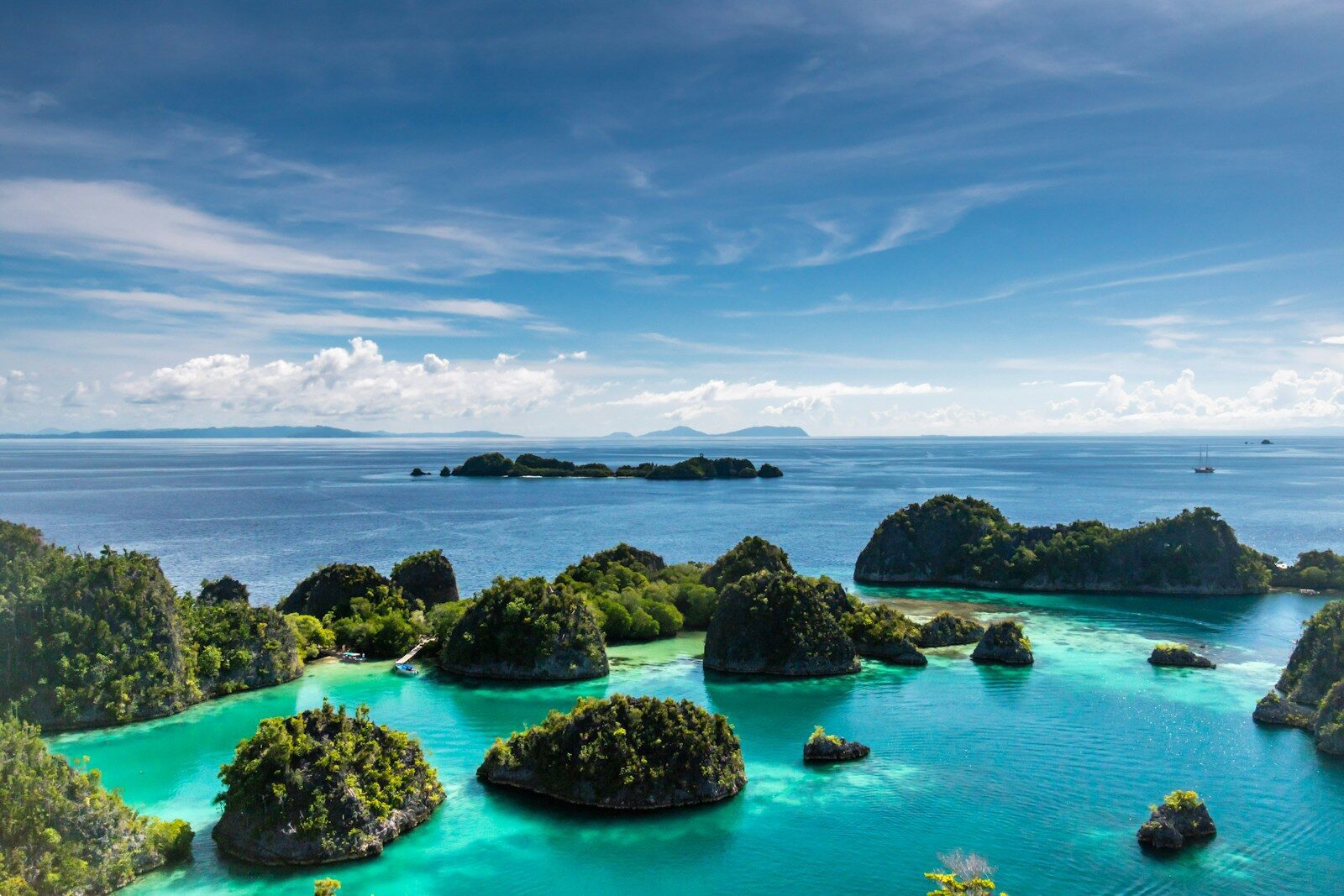
Papua Travel Guide: Indonesia’s Last Wild Frontier Beyond Bali
Papua, Indonesia’s eastern frontier, is the ultimate playground for the discerning traveler. Here, adventure begins where maps blur into myth, revealing a “Lost World” of staggering natural beauty, rare wildlife, and enduring cultural traditions. From mist-shrouded volcanic peaks to turquoise lagoons, Papua offers 88 hidden gems that promise both raw discovery and refined experiences.
Table of Contents
Introduction
For many international travelers, Indonesia begins and ends with Bali. The island has become one of the world’s most recognizable tropical destinations, attracting millions of visitors every year with beach clubs, luxury resorts, surfing, and wellness retreats. Yet far beyond Bali’s crowded tourist centers lies another side of Indonesia that feels dramatically different — larger, wilder, and far more remote.
Papua remains one of the last true frontier destinations in Southeast Asia.
Located on the eastern edge of Indonesia, Papua is a land of untouched rainforests, hidden islands, tribal cultures, towering mountains, and coral reefs that marine scientists consider among the richest ecosystems on Earth. Unlike many modern tourism destinations, Papua still feels genuinely undiscovered. Travelers do not come here for polished tourism infrastructure or luxury nightlife. They come for raw nature, meaningful adventure, and experiences that feel increasingly rare in today’s connected world.
For European and American travelers seeking destinations beyond overtourism, Papua offers a completely different style of travel. The pace is slower. Distances are larger. Journeys take longer. Yet this sense of remoteness is exactly what makes Papua so unforgettable.
One day you may find yourself diving among manta rays in Raja Ampat’s turquoise waters. A few days later, you could be trekking through the Baliem Valley surrounded by mist-covered mountains and traditional Dani villages. In the early mornings, dense rainforest echoes with the calls of birds of paradise hidden high in the jungle canopy. Even simple moments — watching fishing boats cross a quiet bay at sunrise or drinking local coffee beside a remote island beach — feel deeply connected to nature.
Papua is not designed for rushed itineraries.
It is a destination for travelers who enjoy exploration, patience, and curiosity. Backpackers, photographers, divers, wildlife enthusiasts, and slow travelers are increasingly drawn to Papua because the region still feels authentic rather than commercialized. Many visitors describe Papua not simply as a holiday destination, but as one of the most powerful travel experiences of their lives.
The region also represents an entirely different side of Indonesia’s cultural identity. Papua is home to hundreds of indigenous ethnic groups, each with unique languages, traditions, architecture, music, and spiritual beliefs. Across the highlands and coastal villages, many communities continue to preserve ancestral customs that have existed for generations.
This cultural richness is one of Papua’s greatest strengths.
Unlike destinations where local traditions have been reshaped around tourism, many parts of Papua still feel deeply rooted in daily community life. Travelers who approach the region respectfully often discover genuine cultural exchanges that leave lasting impressions long after returning home.
At the same time, Papua is not always an easy destination.
Transportation delays are common. Infrastructure in remote regions can be limited. Flights may change due to weather conditions. Internet access disappears entirely in some areas. But for many experienced travelers, these challenges are part of the adventure itself. Papua rewards flexibility and openness far more than strict travel schedules.
In recent years, the growing popularity of sustainable and meaningful travel has placed Papua on the radar of adventurous travelers from Europe, North America, and Australia. As more people search for destinations beyond Bali, Phuket, and other mainstream tropical tourism hubs, Papua stands out because it still feels wild and emotionally powerful.
This is a destination where nature remains dominant.
Massive rainforest systems stretch across mountains and valleys. Coral reefs remain vibrant and alive. Villages sit quietly beside rivers and hidden bays. The landscapes often feel cinematic in scale, yet surprisingly intimate once travelers slow down and spend time within them.
For divers, Papua represents paradise.
Raja Ampat has become legendary within the global diving community for its marine biodiversity. Some scientists believe the region contains the highest concentration of coral and reef fish species anywhere on Earth. Underwater visibility, colorful coral walls, manta ray encounters, and untouched reefs make the region one of the world’s premier diving destinations.
Yet Papua is not only about marine adventures.
The highlands reveal another side of the region entirely. The Baliem Valley offers trekking experiences through fertile mountain landscapes where traditional villages remain surrounded by rivers, forests, and steep green hills. These journeys provide insight into cultures and environments that feel completely different from coastal Indonesia.
Papua is also becoming increasingly appealing for travelers seeking digital detox experiences. In many remote areas, limited internet access encourages visitors to disconnect from constant online distractions and reconnect with nature instead. Travelers often describe Papua as one of the few remaining places where modern tourism still feels secondary to the environment itself.
For IndoHiddenGem readers searching for Indonesia beyond Bali, Papua represents one of the country’s most extraordinary hidden frontiers.
It is a destination filled with contrast: coral islands and mountain valleys, ancient traditions and untouched ecosystems, silence and adventure. More importantly, it offers something many modern destinations struggle to provide — the feeling of genuine discovery.
Why Papua Feels Like Another World
Papua is not the Indonesia most travelers imagine.
Far beyond the crowded beaches of Bali lies a remote world of jungle-covered mountains, prehistoric limestone islands, tribal highlands, whale shark bays, and untouched coral reefs.
For adventurous travelers, Papua represents the final frontier of Southeast Asia — a place where multi-day boat journeys replace highways, where villages remain deeply connected to ancestral traditions, and where nature still dominates the horizon.
From the turquoise lagoons of Raja Ampat to the mist-covered valleys of the Baliem Highlands, Papua offers experiences that feel increasingly rare in modern travel: raw, unpredictable, and profoundly authentic.
Unlike mass tourism destinations, Papua rewards slow exploration. The journey itself becomes part of the experience.
Why Travelers Are Discovering Papua
The Shift Away From Mass Tourism
Over the last decade, many experienced travelers have started moving away from heavily commercialized destinations. Crowded beaches, endless traffic, and overdeveloped tourism zones have caused travelers from Europe and the United States to search for places that still feel authentic and connected to local culture.
Papua has quietly emerged as one of those destinations.
Unlike Bali or Phuket, Papua remains largely untouched by large-scale tourism development. Travelers are not surrounded by international chain restaurants, nightlife districts, or massive resort complexes. Instead, they encounter rainforest landscapes, traditional villages, remote islands, and communities where daily life still revolves around nature and local tradition.
For many visitors, this authenticity is Papua’s greatest attraction.
The region feels unpredictable in the best possible way. Travel here requires flexibility, patience, and curiosity — qualities increasingly valued by modern adventure travelers looking for experiences that feel meaningful rather than manufactured.
Papua Appeals To Slow Travelers
Slow travel has become increasingly popular among European and North American travelers. Rather than rushing through multiple destinations, many travelers now prefer spending longer periods exploring fewer places more deeply.
Papua is perfectly suited for this style of travel.
Distances between destinations can be significant, transportation takes time, and many of the region’s best experiences happen slowly. Travelers spend days island hopping through Raja Ampat, trekking between villages in the Baliem Valley, or simply relaxing beside quiet beaches surrounded by rainforest-covered islands.
Papua rewards travelers who slow down.
Instead of packed sightseeing schedules, the experience here often revolves around immersion: sharing meals with local families, watching fishermen return at sunset, snorkeling directly from village beaches, or listening to rainforest sounds late at night from an eco lodge surrounded by jungle.
Raja Ampat Changed Global Interest In Papua
One of the biggest reasons international travelers now recognize Papua is Raja Ampat.
Once known mainly among experienced divers, Raja Ampat has become internationally famous for its extraordinary marine biodiversity and dramatic island scenery. Images of limestone karst islands rising from emerald waters now appear across travel magazines, diving documentaries, and social media platforms worldwide.
Yet despite its growing popularity, Raja Ampat still feels remarkably remote compared to many tropical destinations.
Visitors often describe the islands as one of the few places left where nature still feels dominant. Coral reefs remain vibrant, islands are sparsely populated, and many beaches remain completely empty except for local fishing boats.
This combination of beauty and remoteness strongly appeals to travelers looking for tropical destinations beyond mainstream tourism routes.
Travelers Want More Than Beaches
Another reason Papua continues attracting attention is the diversity of experiences available within a single region.
Travelers can dive among manta rays in Raja Ampat, trek through tribal highlands near Wamena, explore rainforest ecosystems filled with endemic wildlife, or visit traditional villages where ancient customs remain alive.
Very few destinations in Southeast Asia combine marine biodiversity, indigenous culture, mountain trekking, and remote exploration at this scale.
This diversity makes Papua particularly attractive for long-form travel itineraries and expedition-style journeys.
Cultural Authenticity Matters More Than Ever
Modern travelers increasingly value cultural experiences that feel genuine rather than staged for tourism.
Papua offers one of Indonesia’s richest cultural landscapes. Hundreds of indigenous ethnic groups continue to preserve distinct traditions, architecture, languages, music, and ceremonies. In regions such as the Baliem Valley, travelers can still witness cultural practices deeply connected to ancestral history and local identity.
For many visitors, these human connections become the most memorable part of traveling in Papua.
Unlike destinations where tourism dominates local life, many Papuan communities continue living according to rhythms shaped more by environment and tradition than by visitor demand.
This creates cultural interactions that feel more natural, respectful, and emotionally meaningful.
How To Get To Papua
For many international travelers, reaching Papua is part of the adventure itself. Unlike Bali or Jakarta, Papua sits far from Indonesia’s main tourism routes, and journeys into the region often involve multiple flights, boat transfers, and flexible scheduling. While the logistics can appear complicated at first, the growing popularity of Raja Ampat and Papua’s adventure tourism scene has made access easier than many travelers expect.
For travelers from Europe and the United States, the key to visiting Papua comfortably is understanding that travel here moves at a slower pace. Flights may change due to weather conditions, ferry schedules can shift, and remote destinations require patience. However, most travelers quickly realize that the effort required to reach Papua is exactly what helps preserve its untouched atmosphere.
Unlike heavily commercialized destinations, Papua still rewards travelers willing to venture further beyond mainstream tourism routes.
International Flights To Indonesia
There are currently no major direct long-haul international flights from Europe or North America directly into Papua itself. Most travelers first arrive in western Indonesia before continuing eastward on domestic routes.
The most common international gateways include:
Jakarta
Jakarta remains Indonesia’s largest international aviation hub. Most travelers arriving from Europe connect through major airlines operating routes from cities such as:
- Amsterdam
- London
- Paris
- Frankfurt
- Istanbul
- Doha
- Dubai
- Singapore
Jakarta offers the largest number of domestic flight connections into Papua, making it one of the most practical entry points for international travelers.
Bali
Many travelers choose to spend several days in Bali before continuing east to Papua. Bali offers a softer transition into Indonesia, especially for travelers unfamiliar with the country.
Flights from Bali to Sorong and Jayapura are available through domestic airlines, usually with a transit stop in Makassar or another Indonesian city.
Singapore And Kuala Lumpur
Travelers from Europe often connect through Singapore or Kuala Lumpur before entering Indonesia. Both cities offer excellent flight networks and shorter overall travel times compared to some European connections.
Singapore is particularly popular for travelers continuing toward Raja Ampat because of its strong regional flight connections.
Domestic Flights To Papua
Once inside Indonesia, travelers continue toward Papua using domestic airlines.
The main airports serving Papua include:
Sorong Airport (SOQ)
Sorong is the primary gateway to Raja Ampat and one of the most important airports for tourism in Papua.
Almost all travelers visiting Raja Ampat pass through Sorong before continuing by ferry or speedboat into the islands.
Flights commonly operate from:
- Jakarta
- Bali
- Makassar
- Manado
- Surabaya
Although Sorong itself is not usually considered a tourism destination, most travelers stay overnight before transferring into Raja Ampat the following morning.
Important Tip For Raja Ampat Travelers
International travelers should avoid booking tight same-day connections between international arrivals and Sorong departures. Domestic flight delays are relatively common, especially during rainy weather.
Most experienced travelers spend one night in Jakarta, Bali, or Sorong before continuing onward.
Jayapura Airport (DJJ)
Jayapura is the largest city in Papua and serves as the main gateway for travelers exploring:
- Lake Sentani
- Northern Papua
- Cultural attractions
- Connections toward Wamena
Flights to Jayapura operate from several major Indonesian cities, though flight durations can be long because of Papua’s remote location.
For many travelers, Jayapura provides the first real introduction to Papuan culture and atmosphere before continuing deeper into the region.
Wamena Airport
Wamena sits in the heart of Papua’s highlands and acts as the main entry point to the Baliem Valley.
There are no roads connecting Wamena to coastal cities, meaning all travelers must arrive by plane.
Flights usually connect from Jayapura using smaller mountain aircraft.
Weather conditions in the highlands can occasionally delay flights, particularly during heavy rain or low cloud cover.
However, for travelers interested in tribal culture, trekking, and highland landscapes, Wamena offers one of the most rewarding travel experiences in Indonesia.
Reaching Raja Ampat
For most international travelers, Raja Ampat is the main reason to visit Papua.
After arriving in Sorong, travelers continue into Raja Ampat by ferry or private speedboat.
Public Ferry To Waisai
The public ferry between Sorong and Waisai is the most common option for independent travelers and backpackers.
The journey takes approximately:
- 2 to 3 hours
- Depending on weather and sea conditions
Waisai serves as the main town in Raja Ampat and acts as the starting point for further island transfers.
Many homestays and eco resorts arrange pickups directly from Waisai harbor.
Ferry Experience
The ferry itself is comfortable enough for most travelers, though schedules occasionally change.
Morning departures are usually the best option because sea conditions tend to remain calmer earlier in the day.
Private Speedboats
Luxury resorts and diving operators often organize private speedboat transfers directly from Sorong.
Although significantly more expensive than public ferries, private transfers offer:
- Faster travel times
- Flexible schedules
- Direct island access
- More comfortable luggage handling
Private boats are particularly useful for travelers carrying diving equipment or photography gear.
Transportation Inside Papua
Traveling within Papua requires flexibility and patience.
Infrastructure remains limited in many areas, particularly outside major towns.
However, this remoteness is also one of the reasons Papua still feels so untouched compared to other destinations in Southeast Asia.
Boats And Island Transfers
In Raja Ampat, boats are essential for daily transportation.
Travelers often move between islands using:
- Local wooden boats
- Speedboats
- Resort transfers
- Shared snorkeling tours
Boat journeys frequently become highlights of the trip themselves, especially when traveling through calm turquoise lagoons surrounded by limestone islands.
Local Drivers And Guides
In mainland Papua, many travelers hire local drivers or guides for transportation between villages and regional attractions.
This is especially helpful because:
- English is less common outside tourism areas
- Road conditions vary significantly
- Local guides provide cultural context
For travelers exploring remote regions, local knowledge becomes extremely valuable.
Trekking Routes
In highland regions such as the Baliem Valley, many villages are reached primarily by footpaths rather than roads.
Treks often pass through:
- Rivers
- Hillside farms
- Traditional villages
- Mountain forests
These walking routes create a much more immersive travel experience compared to conventional tourism infrastructure.
Travel Challenges In Papua
One of the most important things international travelers should understand is that Papua is not a perfectly smooth destination.
And that is part of its appeal.
Flights can be delayed. Weather changes quickly. Transportation schedules shift unexpectedly.
However, travelers who approach Papua with flexibility usually have far better experiences than those expecting rigid schedules.
The region rewards patience.
In return, Papua offers something increasingly rare in global tourism: landscapes and cultures that still feel genuinely untouched by mass development.
Why The Journey Matters
For some travelers, Papua may initially seem difficult compared to easier tropical destinations.
Yet experienced travelers often say the opposite after arriving.
The distance, remoteness, and slower pace are exactly what protect Papua from becoming another overcrowded tourism destination.
The journey itself creates anticipation.
And once travelers finally reach Raja Ampat’s hidden lagoons or stand inside the misty Baliem Valley surrounded by mountain villages, the effort suddenly feels completely worthwhile.
Best Places to Visit in Papua Islands
Raja Ampat
Known for some of the richest marine biodiversity on Earth, Raja Ampat is a dream destination for divers, snorkelers, photographers, and island-hopping travelers. Hidden lagoons, limestone karsts, manta rays, and crystal-clear water create one of Indonesia’s most iconic landscapes.
Baliem Valley
Deep in the central highlands, Baliem Valley offers a completely different side of Papua. Traditional Dani villages, mountain scenery, and remote trekking routes make this one of the most culturally immersive destinations in Indonesia.
Triton Bay
Often described as the quieter alternative to Raja Ampat, Triton Bay is famous for whale shark encounters, hidden coves, dramatic cliffs, and exceptional underwater visibility.
Cenderawasih Bay
This massive marine park is one of the few places in the world where travelers can swim alongside whale sharks in relatively calm waters.
Asmat Region
The Asmat area is internationally known for its extraordinary wood carving traditions and strong indigenous identity. Visiting this region offers insight into one of the most unique cultural landscapes in Indonesia.
Jayapura
As Papua’s largest city, Jayapura serves as the main gateway into the region. The surrounding coastline, lake scenery, and nearby villages make it worth exploring before heading deeper into Papua.
Best Experiences in Papua
Island Hopping Through Raja Ampat
Traditional wooden boats navigate between remote limestone islands, hidden beaches, and tiny villages surrounded by turquoise water.
Trekking in the Baliem Highlands
Treks through Baliem Valley reveal mountain scenery, hanging bridges, traditional villages, and cultural ceremonies rarely seen elsewhere in Indonesia.
Swimming With Whale Sharks
Cenderawasih Bay and Triton Bay have become globally recognized for ethical whale shark encounters.
Birdwatching in Remote Rainforests
Papua is home to extraordinary endemic wildlife, including the famous birds-of-paradise.
Diving in Untouched Coral Reefs
Papua contains some of the healthiest coral ecosystems remaining in the world.
Best Time To Visit Papua
Papua can be visited throughout the year, but weather conditions, diving visibility, trekking routes, and sea conditions change depending on the season and region. Because Papua is enormous and geographically diverse, travelers should understand that the “best” time to visit depends heavily on the type of experience they want.
For divers, calm seas and underwater visibility may be the priority. For trekkers, cooler temperatures and drier trails matter more. Wildlife photographers often focus on seasonal bird activity, while island travelers usually care most about sunshine and smooth boat conditions.
Unlike destinations with predictable four-season climates, Papua experiences tropical weather patterns influenced by ocean conditions, regional rainfall, and mountain geography. Travelers should therefore approach the region with flexibility rather than expecting perfectly stable weather every day.
Fortunately, Papua’s remoteness also means tourism remains relatively uncrowded throughout most of the year.
Even during peak diving periods, many parts of Papua still feel peaceful compared to more commercial destinations in Southeast Asia.
Papua’s Climate Overview
Papua has a tropical climate with warm temperatures year-round in coastal areas and cooler temperatures in the highlands.
Average daytime temperatures in coastal regions such as Raja Ampat usually range between:
- 28°C to 32°C
- 82°F to 90°F
Humidity remains relatively high throughout the year, especially in rainforest regions.
In mountain areas such as Wamena and the Baliem Valley, temperatures are noticeably cooler, particularly during early mornings and evenings. Highland temperatures can occasionally drop below:
- 15°C
- 59°F
Travelers visiting both coastal and mountain regions should therefore pack for very different environments.
Best Time To Visit Raja Ampat
October To April
For many international divers, October through April is considered one of the best periods to visit Raja Ampat.
During these months:
- Sea conditions are often calmer
- Underwater visibility improves
- Rain showers remain manageable
- Marine life activity remains excellent
This period is particularly popular among:
- Scuba divers
- Underwater photographers
- Snorkelers
- Liveaboard travelers
Manta ray encounters remain possible throughout much of the year, though sightings can vary depending on local currents and dive sites.
One of Raja Ampat’s advantages is that marine biodiversity remains spectacular year-round, unlike destinations with short diving seasons.
May To September
The middle part of the year can bring slightly rougher seas in certain parts of Raja Ampat, particularly around exposed island channels.
However, many travelers still visit successfully during these months.
Advantages of traveling during this period include:
- Fewer visitors
- Quieter resorts
- More peaceful diving conditions at popular sites
- Beautiful green island scenery after rainfall
For photographers, dramatic cloud formations and shifting light conditions during these months can create extraordinary landscape photography opportunities.
Best Time For Trekking In Papua
June To September
The dry season in Papua’s highlands generally falls between June and September.
This is usually considered the best period for:
- Baliem Valley trekking
- Village expeditions
- Mountain photography
- Cultural trekking routes
Trails become less muddy, river crossings are easier, and mountain visibility improves during drier conditions.
Cooler highland temperatures also make trekking more comfortable for travelers from Europe and North America who may struggle with tropical humidity at lower elevations.
Trekking During Rainy Months
Treks remain possible throughout the year, but travelers should expect:
- Muddy trails
- Increased rainfall
- Reduced mountain visibility
- Slower hiking conditions
Some experienced adventure travelers actually prefer the rainy season because landscapes become intensely green and tourist numbers remain very low.
However, flexibility becomes especially important during wet months.
Best Time For Wildlife And Birdwatching
Papua is one of the world’s most important regions for birdwatching.
Birds of paradise remain one of the biggest reasons wildlife photographers visit the region.
Early Morning Conditions Matter Most
Unlike some wildlife destinations where seasonality dominates, birdwatching success in Papua often depends more on:
- Early morning conditions
- Local guide knowledge
- Patience
- Weather stability
The best birdwatching usually happens shortly after sunrise when rainforest activity becomes most intense.
Travelers staying several days in birdwatching regions generally have much higher success rates than those attempting quick visits.
Diving Seasons And Marine Conditions
Raja Ampat Diving Conditions
One reason Raja Ampat became globally famous among divers is because underwater conditions remain impressive throughout most of the year.
Marine biodiversity includes:
- Manta rays
- Reef sharks
- Wobbegong sharks
- Turtles
- Barracuda
- Giant schools of fish
- Vibrant coral reefs
Visibility changes slightly depending on season and currents, but diving remains possible year-round.
Triton Bay
Triton Bay usually experiences calmer conditions during certain transitional periods between monsoon systems.
Because tourism infrastructure remains limited here, travelers visiting Triton Bay should prioritize flexibility rather than fixed schedules.
The reward is access to one of Papua’s least crowded marine regions.
Best Months For Photography
Papua offers extraordinary opportunities for:
- Landscape photography
- Underwater photography
- Wildlife photography
- Tribal portrait photography
- Drone photography
Golden Light Conditions
Sunrise and sunset remain the best times for photography across almost all regions of Papua.
Early morning conditions often provide:
- Calmer seas
- Better mountain visibility
- Softer lighting
- Increased wildlife activity
In Raja Ampat, sunrise light reflecting across limestone islands creates some of Indonesia’s most iconic tropical scenery.
Rainy Season Photography
Rainy months can actually create dramatic photography conditions:
- Heavy jungle mist
- Dark storm clouds
- Intense rainforest colors
- Atmospheric mountain scenery
For experienced photographers, these conditions often create more emotional and cinematic imagery compared to perfectly clear weather.
Peak Season Vs Quiet Season
One of Papua’s biggest advantages is that even during “peak” tourism periods, most destinations remain relatively uncrowded.
However, some patterns still exist.
Peak Diving Season
The busiest months in Raja Ampat generally include:
- December
- January
- February
Especially during:
- European winter holidays
- Christmas season
- New Year travel periods
Luxury resorts and liveaboards often book out many months in advance during these periods.
Shoulder Seasons
Many experienced travelers prefer shoulder seasons because they offer:
- Lower accommodation prices
- Fewer tourists
- Flexible bookings
- More peaceful island experiences
Shoulder seasons often create the best balance between weather quality and quiet travel conditions.
Weather Challenges Travelers Should Expect
Papua’s weather can change quickly.
Travelers should always prepare for:
- Sudden tropical rain
- Boat schedule changes
- Flight delays
- Strong ocean currents
- Humid conditions
This unpredictability is normal and should be viewed as part of the experience rather than a travel problem.
Travelers who remain flexible usually enjoy Papua far more than those trying to control every detail of the itinerary.
Recommended Travel Windows
Best Overall Months For Raja Ampat
- October to April
Best for:
- Diving
- Snorkeling
- Island hopping
- Underwater photography
Best Months For Highlands And Trekking
- June to September
Best for:
- Baliem Valley trekking
- Cultural expeditions
- Mountain visibility
- Hiking photography
Best Months For Fewer Crowds
- May
- September
- October
Best for:
- Quiet island experiences
- Flexible bookings
- Slower travel pace
Why Papua Rewards Flexible Travelers
Unlike polished tourism destinations designed around convenience, Papua still operates according to nature.
Rainfall shapes transportation.
Ocean conditions influence island access.
Mountain weather affects flights.
And that is exactly why the region still feels so special.
For many European and American travelers, Papua becomes memorable precisely because it does not feel over-managed or artificial.
Nature still dictates the pace here.
Travelers who embrace that slower rhythm usually discover a far deeper and more meaningful experience than they originally expected.
Top Experiences In Papua
Papua is one of the most diverse adventure destinations in Indonesia. Within a single journey, travelers can explore untouched coral islands, remote tribal valleys, dense rainforest ecosystems, hidden waterfalls, and mountain landscapes that feel completely disconnected from modern urban life.
Unlike destinations built around one main attraction, Papua offers multiple layers of experience. Some travelers arrive for world-class diving. Others come for indigenous culture, wildlife photography, trekking, or the feeling of complete remoteness that is increasingly difficult to find in modern tourism.
For many European and American travelers, the most memorable part of Papua is not simply one attraction, but the overwhelming sense of discovery that exists across the entire region.
Raja Ampat
Raja Ampat is Papua’s most internationally famous destination and one of the world’s greatest marine environments.
Located off the northwest coast of Papua, Raja Ampat consists of more than 1,500 small islands, limestone karsts, lagoons, and coral reefs spread across turquoise tropical waters. The scenery feels almost unreal, especially when viewed from panoramic viewpoints above the islands.
For many travelers, Raja Ampat represents the ultimate tropical paradise beyond mass tourism.
Unlike heavily developed island destinations elsewhere in Southeast Asia, large parts of Raja Ampat remain untouched. Many islands contain no roads, large resorts, or commercial nightlife. The atmosphere remains quiet, natural, and deeply connected to the surrounding ocean.
Diving In Raja Ampat
Raja Ampat has become legendary among divers for one simple reason: biodiversity.
Marine scientists consider this region one of the richest coral reef ecosystems anywhere on Earth. Divers regularly encounter:
- Manta rays
- Reef sharks
- Turtles
- Barracuda
- Giant schools of fish
- Colorful soft corals
- Rare marine species
Even experienced divers who have traveled globally often describe Raja Ampat as one of the best diving destinations they have ever visited.
Popular dive areas include:
- Misool
- Dampier Strait
- Arborek
- Cape Kri
- Blue Magic
- Manta Sandy
Currents can occasionally be strong, but many dive sites remain suitable for beginners with proper guidance.
Snorkeling Experiences
One of Raja Ampat’s biggest advantages is that travelers do not need to scuba dive to experience extraordinary marine life.
Many homestays sit directly beside coral reefs, allowing visitors to snorkel from the beach.
Simple snorkeling sessions often reveal:
- Clownfish
- Sea turtles
- Giant clams
- Coral gardens
- Schools of reef fish
For travelers who prefer relaxed island experiences rather than technical diving, Raja Ampat still delivers unforgettable underwater scenery.
Island Hopping
Island hopping in Raja Ampat feels less like traditional tourism and more like exploring a hidden archipelago.
Boat journeys pass through:
- Limestone karst islands
- Hidden lagoons
- Empty white sand beaches
- Dense rainforest coastlines
- Tiny fishing villages
Many travelers describe the boat journeys themselves as highlights of the trip.
The scenery changes constantly, especially during sunrise and sunset when golden light reflects across the water and cliffs.
Wayag
Wayag is arguably the most iconic viewpoint in all of Papua.
Located in northern Raja Ampat, Wayag is famous for its panoramic views of emerald-colored waters filled with limestone islands rising dramatically from the sea.
Photographs of Wayag have become symbolic of Papua’s untouched beauty.
Reaching Wayag requires significant travel time by boat, but the remoteness is part of what keeps the area special. Travelers who arrive here often feel as though they have reached one of the last untouched tropical landscapes on Earth.
The climb to the viewpoint can be physically demanding due to sharp limestone terrain and tropical heat, but the reward is extraordinary.
From the summit, travelers witness a landscape that feels almost prehistoric in scale and beauty.
Misool
Misool is one of the most beautiful and exclusive parts of Raja Ampat.
Located in the southern region of the archipelago, Misool combines luxury eco tourism with exceptional marine conservation.
The region is famous for:
- Hidden lagoons
- Crystal-clear water
- Ancient rock art
- Remote beaches
- Vibrant coral reefs
Compared to northern Raja Ampat, Misool often feels quieter and even more isolated.
Many travelers choose Misool specifically for:
- Luxury diving experiences
- Underwater photography
- Honeymoon travel
- Remote island escapes
The conservation efforts around Misool have also helped protect shark populations and reef ecosystems, making the marine life particularly healthy.
Baliem Valley
While Raja Ampat represents Papua’s marine beauty, the Baliem Valley reveals the cultural and mountainous side of the region.
Located deep within Papua’s highlands, the Baliem Valley offers one of Indonesia’s most extraordinary trekking and cultural experiences.
The landscape here feels completely different from coastal Papua.
Mist-covered mountains surround fertile valleys filled with rivers, farms, and traditional villages. Cool temperatures and dramatic scenery make the region especially attractive for travelers seeking adventure beyond tropical beaches.
Dani Tribal Villages
The Dani people are among Papua’s best-known indigenous groups.
Travelers trekking through the Baliem Valley often visit traditional Dani villages where local communities continue preserving cultural traditions connected to farming, ceremonies, and ancestral history.
Village visits provide opportunities to learn about:
- Traditional cooking
- Farming systems
- Tribal history
- Ceremonial customs
- Local architecture
Unlike heavily commercialized cultural tourism elsewhere, many interactions in the Baliem Valley still feel natural and community-centered.
Respectful behavior remains essential.
Travelers should always ask permission before photographing local people or ceremonies.
Trekking In The Highlands
Trekking routes through the Baliem Valley vary from short village walks to multi-day expeditions into remote mountain regions.
Treks often pass through:
- Suspension bridges
- Hillside farms
- Forest trails
- River valleys
- Traditional settlements
For many travelers, trekking in Papua becomes one of the most immersive travel experiences in Indonesia because it combines physical adventure with cultural discovery.
Birdwatching And Wildlife
Papua is one of the world’s most important biodiversity regions.
Wildlife enthusiasts and photographers travel from around the globe to explore Papua’s rainforest ecosystems.
Birds Of Paradise
The most famous wildlife species in Papua are the birds of paradise.
These rare birds are known for their extraordinary colors and elaborate mating displays.
Guided birdwatching tours often begin before sunrise when rainforest activity is highest.
For photographers, witnessing birds of paradise in the wild is often considered a once-in-a-lifetime experience.
Rainforest Biodiversity
Papua’s rainforests contain:
- Endemic birds
- Tree kangaroos
- Giant butterflies
- Rare reptiles
- Thousands of plant species
Large parts of Papua’s rainforest remain scientifically underexplored, adding to the region’s sense of mystery and discovery.
Triton Bay
Triton Bay remains one of Papua’s least visited marine regions.
Located in West Papua’s southern coastal region, the area offers extraordinary diving and wildlife encounters without the visitor numbers seen in Raja Ampat.
The biggest attraction here is whale shark tourism.
Local fishermen sometimes attract whale sharks near traditional fishing platforms, creating opportunities for respectful wildlife encounters.
The region also offers:
- Soft coral reefs
- Dramatic underwater walls
- Mangrove ecosystems
- Remote island scenery
For travelers seeking quieter marine adventures, Triton Bay provides one of Papua’s best hidden alternatives.
Lake Sentani
Located near Jayapura, Lake Sentani offers a calmer and more cultural side of Papua.
The lake is surrounded by rolling green hills and traditional fishing communities.
Travelers visiting Lake Sentani can explore:
- Local markets
- Traditional villages
- Lakeside scenery
- Cultural festivals
- Handicraft workshops
Compared to Raja Ampat’s marine tourism focus, Lake Sentani provides a more relaxed cultural atmosphere.
Why Papua Feels Different
What separates Papua from many destinations is not simply beauty, but emotional atmosphere.
The landscapes still feel untamed.
The villages feel authentic.
The wildlife remains abundant.
Nature still dominates daily life.
For many travelers, Papua becomes memorable because it feels increasingly rare in modern tourism: a destination where genuine discovery still exists.
Best Hidden Gems In Papua
One of the reasons Papua fascinates experienced travelers is because so much of the region still feels undiscovered. Beyond Raja Ampat’s famous viewpoints and the Baliem Valley’s trekking routes, Papua hides countless remote islands, rainforest ecosystems, traditional villages, and marine regions that remain unknown to most international tourists.
For European and American travelers searching for Indonesia beyond Bali, these hidden places often become the most rewarding parts of the journey.
Unlike mainstream tourism destinations where every viewpoint is crowded and every beach appears on social media, many parts of Papua still feel quiet, isolated, and deeply connected to local life.
Wayag Beyond The Famous Viewpoint
Most travelers know Wayag because of its panoramic island viewpoint, but the experience goes far beyond photography.
The surrounding waters contain hidden lagoons, coral reefs, and tiny beaches accessible only by boat. Early mornings in Wayag feel especially magical when mist rises slowly above the limestone islands and the sea remains completely calm.
Because of its remote location, Wayag still receives relatively few visitors compared to tropical destinations elsewhere in Southeast Asia.
Travelers staying overnight on boats near Wayag often describe the evenings as unforgettable. With almost no artificial light pollution, the stars become incredibly visible across the night sky.
For photographers, drone pilots, and nature lovers, Wayag represents one of Papua’s most visually spectacular hidden regions.
Piaynemo
Piaynemo is often overshadowed by Wayag internationally, but many travelers consider it equally beautiful and easier to access.
Located closer to central Raja Ampat, Piaynemo features dramatic limestone karst islands rising from bright turquoise water. A wooden staircase leads travelers to panoramic viewpoints overlooking dozens of small jungle-covered islands.
The scenery feels almost surreal.
Unlike heavily developed scenic viewpoints in other countries, Piaynemo still feels peaceful early in the morning before day-trip boats arrive.
Travelers who stay overnight nearby often experience sunrise conditions with calm water, golden light, and almost complete silence except for birds and distant waves.
Arborek Village
Arborek is a tiny island village that has become one of Raja Ampat’s best examples of community-based tourism.
Unlike large tourism developments, Arborek remains deeply connected to local Papuan life.
The village is famous for:
- Crystal-clear water
- Wooden piers
- Healthy coral reefs
- Traditional handicrafts
- Friendly local atmosphere
Snorkeling directly beneath Arborek’s main jetty often reveals extraordinary marine life only meters from shore.
Travelers can stay in local homestays where families prepare simple Papuan meals and organize snorkeling trips around nearby reefs.
For many visitors, the warmth of local hospitality becomes just as memorable as the marine scenery itself.
Yenbuba Village
Yenbuba remains one of Raja Ampat’s most underrated snorkeling destinations.
Located near Gam Island, the village offers direct access to coral gardens filled with colorful fish, sea fans, turtles, and reef life.
Unlike larger tourism centers, Yenbuba still feels peaceful and locally focused.
Travelers often spend afternoons:
- Snorkeling from wooden piers
- Drinking coffee beside the water
- Watching fishing boats return at sunset
- Speaking with local families
The slower pace here strongly appeals to travelers searching for meaningful island experiences rather than resort-style tourism.
Ahe Island
Located near Jayapura, Ahe Island offers a completely different atmosphere from Raja Ampat.
The island is small, quiet, and ideal for travelers wanting relaxation before or after exploring mainland Papua.
Ahe Island is known for:
- Calm beaches
- Clear snorkeling water
- Kayaking
- Eco-style accommodation
- Peaceful atmosphere
Unlike busier tropical islands elsewhere in Indonesia, Ahe feels intentionally disconnected from modern tourism pressure.
Many travelers come here specifically for:
- Reading
- Photography
- Quiet reflection
- Digital detox experiences
The island’s simplicity is part of its charm.
Triton Bay
Although slowly becoming more recognized among divers, Triton Bay still qualifies as one of Papua’s greatest hidden marine regions.
Compared to Raja Ampat, tourism infrastructure remains very limited.
This remoteness creates a much quieter experience both above and below the water.
Divers visiting Triton Bay often encounter:
- Whale sharks
- Massive soft corals
- Large schools of fish
- Dramatic underwater walls
- Exceptional macro photography opportunities
Because tourism remains small-scale, the area still feels genuinely exploratory.
Many travelers describe Triton Bay as resembling Raja Ampat twenty years ago before international tourism increased.
The Foja Mountains
The Foja Mountains are among the least explored ecosystems in Indonesia.
Located deep within Papua’s rainforest interior, the mountains remained largely isolated from scientific exploration until relatively recently.
The region contains extraordinary biodiversity including:
- Rare birds
- Endemic mammals
- Unique insects
- Dense tropical rainforest
Very few travelers ever reach the Foja Mountains due to logistical difficulty and limited infrastructure.
However, for expedition travelers and wildlife researchers, the area represents one of Papua’s most fascinating hidden frontiers.
The sense of remoteness here is extraordinary.
Korowai Territory
The Korowai region is one of Papua’s most culturally unique areas.
The Korowai people became internationally known for traditional treehouse architecture built high above the forest floor.
Traveling here requires serious planning and experienced local guides because access remains extremely difficult.
For travelers interested in anthropology, indigenous culture, and remote expedition-style journeys, the Korowai region offers one of the most unusual travel experiences in Indonesia.
However, respectful and ethical tourism practices are extremely important in culturally sensitive regions like this.
Travel should always prioritize local community wellbeing rather than treating indigenous culture as entertainment.
Secret Beaches Of Raja Ampat
One of Raja Ampat’s greatest luxuries is space.
Unlike crowded tropical destinations, travelers frequently discover beaches completely empty except for birds, jungle sounds, and gentle waves.
Many hidden beaches remain unnamed and accessible only by boat.
Some feature:
- White sand coves
- Limestone cliffs
- Shallow turquoise lagoons
- Dense jungle backgrounds
Because island hopping routes constantly change depending on weather and local guides, many travelers experience places that never appear on typical travel itineraries.
This unpredictability becomes part of Raja Ampat’s magic.
Hidden Waterfalls And Jungle Rivers
Mainland Papua also contains hidden waterfalls and jungle river systems rarely visited by international tourists.
Some can only be reached through:
- Forest trekking
- Local village guides
- Small wooden boats
Unlike famous waterfalls elsewhere in Southeast Asia, these places often have:
- No ticket offices
- No tourism infrastructure
- No crowds
Just rainforest, flowing water, and silence.
For adventurous travelers, these remote environments create some of Papua’s most powerful memories.
Why Papua Still Feels Authentic
Many tropical destinations lose their atmosphere once mass tourism arrives.
Papua remains different because tourism still operates on a relatively small scale.
Large parts of the region remain:
- Difficult to access
- Lightly developed
- Community-centered
- Controlled by nature rather than tourism
This creates experiences that feel emotionally different from mainstream travel destinations.
Travelers often describe Papua not simply as beautiful, but as deeply alive.
The islands still feel wild.
The villages still feel real.
The rainforests still feel untouched.
And for travelers searching for genuine discovery, that authenticity is becoming increasingly rare.
Region By Region Guide
Papua is enormous. The region stretches across vast rainforest systems, mountain ranges, island chains, and remote coastal areas that each feel completely different from one another. For international travelers planning a trip, understanding Papua region by region is extremely important because travel distances are large and transportation infrastructure remains limited in many areas.
Unlike smaller destinations where travelers can easily move between attractions in a few hours, Papua rewards slower itineraries focused on specific regions rather than trying to see everything at once.
Each part of Papua offers its own atmosphere, landscapes, cultural identity, and travel style.
Southwest Papua
Southwest Papua is the most internationally recognized tourism region because it includes Raja Ampat.
For most travelers visiting Papua for the first time, this region becomes the starting point of the journey.
The atmosphere here revolves around:
- Marine adventure
- Diving
- Island hopping
- Eco tourism
- Remote tropical scenery
Compared to mainland Papua, Southwest Papua feels calmer and more ocean-focused.
Sorong
Sorong acts as the main gateway to Raja Ampat.
Most travelers spend one night here before continuing into the islands by ferry or speedboat.
Although Sorong itself is not usually considered a major tourism destination, the city provides important services including:
- Hotels
- ATMs
- Domestic flight connections
- Diving equipment shops
- Ferry access
Travelers should prepare for a busy port-city atmosphere rather than a tropical resort environment.
However, Sorong’s importance lies in what comes next: access to one of the world’s most spectacular island regions.
Raja Ampat Islands
The Raja Ampat archipelago contains hundreds of islands spread across crystal-clear tropical waters.
Different parts of Raja Ampat offer different experiences.
Central Raja Ampat
Areas around:
- Waisai
- Arborek
- Gam
- Kri
are popular for:
- Snorkeling
- Homestays
- Diving
- Village tourism
These islands balance accessibility with extraordinary marine biodiversity.
Northern Raja Ampat
Northern regions such as Wayag feel more remote and expedition-like.
Travel here often involves:
- Long speedboat journeys
- Liveaboard trips
- Multi-day island routes
The reward is access to some of Papua’s most dramatic landscapes.
Southern Raja Ampat
Southern Raja Ampat, especially Misool, attracts travelers looking for:
- Luxury eco tourism
- Remote diving experiences
- Underwater photography
- Secluded island scenery
The atmosphere here feels quieter and more exclusive compared to central regions.
Highland Papua
Highland Papua offers an entirely different experience from Raja Ampat.
Instead of tropical islands and coral reefs, travelers discover:
- Mountain valleys
- Traditional villages
- Cool temperatures
- Trekking routes
- Indigenous culture
The highlands feel emotionally and visually distinct from coastal Indonesia.
Wamena
Wamena serves as the gateway to the Baliem Valley.
Because no roads connect Wamena to Papua’s coastal cities, the town feels isolated in a fascinating way.
Most travelers come here for:
- Trekking
- Cultural experiences
- Mountain scenery
- Traditional village visits
Wamena itself is relatively simple, but the surrounding landscapes are extraordinary.
Baliem Valley
The Baliem Valley is one of Papua’s most culturally significant regions.
Traditional Dani villages remain scattered across fertile valleys surrounded by mountains and rivers.
Trekkers walking through the valley often experience:
- Traditional farming systems
- Village ceremonies
- Mountain footpaths
- Indigenous architecture
- River crossings
The atmosphere here feels deeply connected to ancestral culture and landscape.
Remote Highland Trekking
Beyond the Baliem Valley, more remote trekking expeditions lead travelers into isolated mountain regions where tourism remains extremely limited.
These journeys often require:
- Local guides
- Camping equipment
- Physical endurance
- Flexible schedules
For experienced adventure travelers, Papua’s highlands offer some of Southeast Asia’s most rewarding expedition-style trekking.
Jayapura And Northern Papua
Jayapura is Papua’s largest city and one of the region’s most important transportation hubs.
Compared to Sorong, Jayapura feels more connected to mainland Papuan culture and daily life.
The surrounding region combines:
- Lakes
- coastal scenery
- cultural attractions
- rainforest landscapes
Lake Sentani
Lake Sentani is one of the most peaceful areas near Jayapura.
The lake is surrounded by rolling green hills and traditional fishing communities.
Travelers visiting the lake often enjoy:
- Boat rides
- Local markets
- Village visits
- Traditional handicrafts
- Sunset photography
Compared to Raja Ampat’s marine focus, Lake Sentani provides a slower and more cultural travel atmosphere.
Sentani Cultural Festival
The Sentani Festival showcases:
- Traditional dance
- Canoe performances
- Local music
- Indigenous art
- Ceremonial costumes
For travelers interested in Papuan culture beyond trekking and diving, the festival offers valuable insight into local traditions.
Central Papua
Central Papua remains one of the least explored parts of the region for international travelers.
The area includes:
- Dense rainforest
- Mining towns
- River systems
- Remote inland communities
Tourism infrastructure here remains minimal, but adventurous travelers increasingly explore parts of Central Papua through guided expeditions.
The atmosphere feels much more frontier-like compared to Raja Ampat tourism zones.
Southern Papua
Southern Papua is vast, isolated, and rarely visited.
Large wetlands, forest systems, and remote coastal environments dominate the region.
Travel here is generally limited to:
- Researchers
- Expedition travelers
- Cultural specialists
- Wildlife-focused expeditions
Because infrastructure remains extremely limited, Southern Papua still feels largely disconnected from mainstream tourism entirely.
Marine Regions Beyond Raja Ampat
Although Raja Ampat receives most international attention, Papua contains several other remarkable marine regions.
Cenderawasih Bay
Cenderawasih Bay has become increasingly known for whale shark tourism.
Unlike many destinations where whale shark encounters feel commercialized, experiences here remain relatively small-scale and community connected.
Marine biodiversity throughout the bay also attracts divers and underwater photographers seeking less crowded alternatives to Raja Ampat.
Choosing The Right Papua Experience
One of the biggest mistakes travelers make is trying to see too much of Papua too quickly.
Because the region is so large, travelers usually have a far better experience focusing on:
- One major region
or - Two complementary areas
For example:
Best Combination For First-Time Travelers
- Raja Ampat
- Baliem Valley
This combination offers:
- Marine adventure
- Tribal culture
- Tropical islands
- Mountain trekking
and creates a much more complete understanding of Papua’s diversity.
Why Papua Feels So Different Region To Region
Papua does not feel like one single destination.
Each region has:
- Different geography
- Different culture
- Different atmosphere
- Different pace of travel
The contrast between:
- Raja Ampat’s turquoise lagoons
and - Baliem Valley’s misty mountains
is enormous.
This diversity is one of Papua’s greatest strengths.
Travelers who spend enough time here quickly realize that Papua is not simply another tropical destination. It is an entire world of landscapes, ecosystems, and cultures that still remain largely untouched by modern tourism.
Adventure Activities In Papua
Papua is one of the best destinations in Indonesia for travelers seeking real adventure. Unlike heavily commercialized tourism areas, many experiences in Papua still feel raw, unpredictable, and deeply connected to nature.
Adventure here is not designed around luxury entertainment. Instead, Papua offers experiences shaped by rainforest landscapes, ocean conditions, mountain trails, and traditional local life.
For European and American travelers searching for meaningful exploration beyond mainstream tourism, Papua delivers one of Southeast Asia’s last true adventure frontiers.
Diving
Diving remains Papua’s most internationally famous activity.
Raja Ampat has earned legendary status among divers because of its extraordinary marine biodiversity and healthy coral ecosystems. Many divers spend years dreaming about visiting the region.
Popular diving experiences include:
- Manta ray encounters
- Coral wall diving
- Drift dives
- Macro photography
- Night diving
- Shark sightings
The underwater visibility, colorful reef systems, and abundance of marine life create diving experiences that regularly exceed traveler expectations.
Both beginners and experienced divers can find suitable dive sites depending on weather and currents.
Snorkeling
Papua is also perfect for travelers who prefer snorkeling rather than scuba diving.
Many island homestays in Raja Ampat sit directly beside healthy coral reefs. Travelers often discover turtles, reef fish, and coral gardens only meters from shore.
Unlike crowded snorkeling destinations elsewhere in Southeast Asia, many reefs in Papua remain quiet and lightly visited.
This creates a much calmer and more immersive experience.
Trekking
The Baliem Valley and Papua’s highland regions offer some of Indonesia’s most unique trekking routes.
Treks pass through:
- Traditional villages
- Mountain valleys
- Jungle paths
- River crossings
- Hillside farms
Rather than purely physical adventure, trekking in Papua often becomes a cultural experience as well.
Travelers spend time learning about local traditions, village life, and indigenous history while moving through spectacular mountain landscapes.
Birdwatching
Papua is one of the world’s great birdwatching destinations.
Birds of paradise remain the region’s most iconic species, attracting wildlife photographers and birdwatchers from around the world.
Most birdwatching expeditions begin before sunrise and involve trekking into rainforest areas with local guides.
For nature enthusiasts, witnessing birds of paradise performing mating displays in the wild becomes one of Papua’s most unforgettable experiences.
Island Hopping
Island hopping through Raja Ampat is one of the best ways to experience Papua’s remote marine landscapes.
Boat journeys reveal:
- Limestone karst islands
- Hidden beaches
- Turquoise lagoons
- Remote villages
- Jungle coastlines
The atmosphere feels peaceful and disconnected from modern tourism pressure.
Many travelers say the slow movement between islands becomes one of the most relaxing parts of the journey.
Food Guide
Papuan cuisine reflects the region’s geography, indigenous traditions, and coastal lifestyle.
Compared to western Indonesia, food in Papua often feels simpler and more connected to local ingredients rather than complex spice combinations.
Seafood dominates coastal regions, while mountain communities rely heavily on root vegetables and traditional farming systems.
Papeda
Papeda is Papua’s most famous traditional dish.
Made from sago starch, papeda has a sticky texture and is usually served with yellow fish soup rich in turmeric and local spices.
For many international travelers, papeda becomes one of the most unique culinary experiences in Indonesia.
Fresh Seafood
Coastal Papua offers excellent seafood.
Travelers frequently enjoy:
- Grilled fish
- Squid
- Lobster
- Crab
- Shellfish
Meals are often simple but incredibly fresh because fishing remains deeply connected to local daily life.
In Raja Ampat, seafood dinners beside the ocean become memorable parts of the travel experience.
Highland Coffee
Papuan coffee is increasingly respected internationally.
The cooler mountain climate creates excellent growing conditions, especially in highland regions near Wamena.
Many travelers are surprised by the quality of locally grown Papuan coffee.
Where To Stay In Papua
Accommodation in Papua ranges from simple village homestays to luxury eco resorts.
Unlike Bali, large-scale hotel chains remain relatively limited outside major cities.
This helps preserve Papua’s quieter and more authentic atmosphere.
Homestays
Homestays are especially popular in Raja Ampat.
Most are locally owned and provide simple accommodation directly beside coral reefs and beaches.
Advantages include:
- Lower prices
- Local interaction
- Community-based tourism
- Direct snorkeling access
Facilities can be basic, but the experience often feels much more personal than conventional resorts.
Eco Resorts
Luxury eco resorts in Raja Ampat focus heavily on:
- Sustainability
- Diving
- Marine conservation
- Remote island experiences
These resorts appeal strongly to honeymoon travelers, photographers, and divers looking for comfort without sacrificing environmental responsibility.
City Hotels
Cities such as Sorong and Jayapura offer standard hotels useful for transit nights before flights or boat transfers.
Most international travelers spend at least one night in these cities during longer Papua itineraries.
Suggested Travel Itineraries
Because Papua is large and transportation takes time, travelers should avoid trying to see everything too quickly.
Slow travel works best here.
5-Day Raja Ampat Itinerary
Ideal for:
- Divers
- Snorkelers
- Short tropical escapes
Suggested focus:
- Island hopping
- Snorkeling
- Scenic viewpoints
- Relaxation
7-Day Papua Adventure
Ideal for:
- First-time Papua visitors
Suggested combination:
- Raja Ampat
- Sorong
- Cultural village experiences
This itinerary balances marine adventure with local culture.
10-Day Papua Journey
Ideal for:
- Adventure travelers
- Photographers
- Slow travelers
Suggested combination:
- Raja Ampat
- Baliem Valley
- Trekking
- Tribal culture
This creates a much deeper understanding of Papua’s diversity.
Travel Costs And Budget Tips
Papua is more expensive than many parts of Indonesia because transportation logistics are difficult and remote tourism infrastructure remains limited.
However, costs vary significantly depending on travel style.
Backpacker Budget
Budget travelers usually spend:
- USD 40–80 daily
Best strategies:
- Local homestays
- Shared boat trips
- Public ferries
- Simple meals
Mid-Range Budget
Mid-range travelers generally spend:
- USD 120–250 daily
This usually includes:
- Comfortable accommodation
- Guided tours
- Domestic flights
- Island excursions
Luxury Budget
Luxury travelers can easily spend:
- USD 500+ daily
Especially for:
- Private eco resorts
- Liveaboard diving trips
- Private speedboats
Internet, SIM Cards, And Connectivity
Internet access in Papua varies dramatically depending on location.
Cities such as Sorong and Jayapura have relatively stable mobile networks, while remote islands and mountain villages may have no signal at all.
Telkomsel generally provides the best mobile coverage across Papua.
However, many travelers eventually appreciate the limited connectivity because it creates a natural digital detox experience.
Safety Tips For International Travelers
Papua is generally safe for respectful travelers, but preparation remains important due to the region’s remoteness.
Important safety recommendations include:
- Use local guides for trekking
- Carry travel insurance
- Prepare offline maps
- Respect local customs
- Allow flexible schedules
Travelers should also avoid discussing sensitive political topics with strangers.
Sustainable And Responsible Travel
Papua’s ecosystems are fragile and deserve careful protection.
Responsible tourism practices include:
- Using reef-safe sunscreen
- Avoiding coral damage
- Supporting local homestays
- Reducing plastic waste
- Respecting indigenous culture
Community-based tourism remains especially important because it helps local villages benefit directly from tourism growth.
Photography And Drone Tips
Papua offers some of Indonesia’s best photography opportunities.
Popular photography subjects include:
- Limestone islands
- Birds of paradise
- Tribal portraits
- Underwater reefs
- Tropical sunsets
Drone photography is especially popular in Raja Ampat, though travelers should always ask permission before flying near villages or conservation areas.
Humidity and rain can damage equipment, so waterproof protection is essential.
Packing List For Papua
Recommended items include:
- Lightweight hiking shoes
- Dry bags
- Reef-safe sunscreen
- Mosquito repellent
- Waterproof phone protection
- Power bank
- Basic medical kit
- Breathable clothing
- Snorkeling equipment
- Universal power adapter
Travelers visiting both islands and highlands should also pack warmer clothing for cool mountain temperatures.
Papua Travel Essentials
Best Time to Visit Papua
The best time to visit most parts of Papua is during the dry season between October and April, although weather conditions vary significantly between coastal islands and mountain regions.
Flights and Transportation
Most international travelers reach Papua through Jakarta, Makassar, or Bali before continuing to Sorong, Jayapura, or Timika.
Domestic flights are often the fastest option due to Papua’s enormous size and mountainous terrain.
Internet and Connectivity
Internet access can be limited outside major towns. Travelers should prepare for slow connections in remote islands and highland areas.
Cash and Payments
Cash remains essential in many areas of Papua, especially outside major tourist zones.
Cultural Etiquette
Respect for local customs is extremely important in Papua. Travelers should always ask permission before photographing local people or traditional ceremonies.
Safety
Papua can be safely explored by prepared travelers, but transportation delays, changing weather conditions, and remote logistics require flexibility.
Papua vs Bali: Which Indonesia Experience Is Right for You?
Bali offers accessibility, beach clubs, surfing, and developed tourism infrastructure.
Papua delivers something entirely different: expedition-style travel, remote islands, indigenous cultures, jungle trekking, and some of the wildest landscapes in Southeast Asia.
Travelers looking for comfort and convenience may prefer Bali.
Travelers searching for untouched nature, cultural immersion, and true adventure often find Papua unforgettable.
Suggested Papua Itineraries
7-Day Raja Ampat Escape
Day 1–2: Arrive in Sorong and transfer to Raja Ampat
Day 3–5: Island hopping, snorkeling, diving, and village visits
Day 6: Scenic viewpoints and lagoon exploration
Day 7: Return to Sorong
14-Day Papua Expedition
Week 1: Raja Ampat and Triton Bay
Week 2: Baliem Valley trekking and cultural experiences
This route combines marine exploration with Papua’s mountain landscapes and tribal cultures.
Responsible Travel in Papua
Papua remains one of the most culturally and environmentally sensitive regions in Indonesia.
Travelers are encouraged to support local guides, respect village traditions, minimize plastic waste, and avoid exploitative wildlife tourism.
Remote communities often rely heavily on fragile ecosystems, making sustainable tourism especially important.
Travelers who approach Papua with patience and respect are often rewarded with deeper cultural experiences and meaningful human connections.
Frequently Asked Questions
Is Papua Safe For Foreign Travelers?
Yes. Most tourism regions in Papua are safe for respectful and well-prepared travelers. However, transportation delays, changing weather, and remote logistics are common, especially outside major tourist areas.
Is Papua Expensive?
Papua is generally more expensive than Bali because transportation, fuel, and logistics are significantly more challenging in remote regions like Raja Ampat and Triton Bay.
What Is The Best Time To Visit Papua?
For diving and island exploration, the best season is typically between October and April. For trekking in the Baliem Highlands, drier months between June and September are often more comfortable.
Is English Widely Spoken In Papua?
English is spoken in many tourism areas, dive resorts, and by some local guides, but it becomes less common in remote villages.
Do I Need Cash In Papua?
Yes. Travelers should carry sufficient cash, especially outside major towns, as ATMs and card payment facilities remain limited in remote areas.
Can Beginners Dive In Raja Ampat?
Yes. Many dive operators offer beginner-friendly diving and snorkeling experiences, although some sites can have strong currents depending on weather and tides.
Do Foreigners Need Permits For Papua?
Some remote areas may occasionally require special permissions or local registration depending on current regional regulations.
How Many Days Do I Need In Papua?
At least 7–10 days is recommended to experience Papua properly, especially if combining island destinations with highland regions.
Can I Travel Independently In Papua?
Independent travel is possible in some destinations, but local guides are highly recommended for remote areas due to transportation complexity and limited infrastructure.
Is Papua Suitable For Solo Travelers?
Yes, particularly for experienced travelers who are comfortable visiting remote destinations with limited tourism infrastructure.
What Should I Pack For Papua?
Lightweight clothing, reef-safe sunscreen, hiking shoes, waterproof bags, insect protection, and basic medical supplies are strongly recommended.
Is Papua Good For Diving?
Papua contains some of the richest marine biodiversity on Earth, making it one of the world’s premier destinations for diving and snorkeling.vironments.
Final Thoughts
Papua remains one of the last truly wild destinations in Southeast Asia.
For travelers searching for Indonesia beyond Bali, the region offers something increasingly rare in modern tourism: genuine discovery.
Here, travelers still find untouched coral reefs, hidden islands, traditional villages, rainforest ecosystems, and landscapes shaped more by nature than tourism development.
Papua is not always easy. Journeys can be long, infrastructure can be limited, and schedules may change unexpectedly. Yet these challenges are also part of what keeps the region so special.
The effort required to reach Papua helps preserve its authenticity.
For many European and American travelers, Papua becomes far more than a holiday destination. It becomes a journey that changes the way they think about travel itself.
Whether diving through Raja Ampat’s coral gardens, trekking across the Baliem Valley, or simply watching the sunrise from a quiet island beach, Papua creates memories that remain powerful long after the trip ends.
As more travelers begin searching for meaningful adventures beyond mainstream tourism, Papua stands out as one of Indonesia’s greatest remaining frontiers.