
Ultimate Travel Guide To West Papua, Indonesia
Table of Contents
West Papua is one of the last frontiers of tropical adventure in Southeast Asia. While many travelers visiting Indonesia focus on Bali, Lombok, or Java, the western half of New Guinea offers something far more raw and unforgettable. This is a land of hidden lagoons, ancient rainforests, whale sharks, remote islands, coral reefs, tribal culture, and landscapes that still feel largely untouched by mass tourism.
Located on the Bird’s Head Peninsula of New Guinea, West Papua is home to some of Indonesia’s most extraordinary marine biodiversity and cultural diversity. The province serves as the gateway to the legendary Raja Ampat archipelago, yet the experience of West Papua goes far beyond famous diving spots. Inland, dense jungle valleys hide waterfalls and traditional villages. Along the coast, fishing communities live beside mangrove forests and turquoise bays. In remote mountain regions, indigenous Papuan cultures continue centuries-old traditions that feel completely different from the rest of Indonesia.
Traveling through West Papua is not always easy. Roads can be rough, transportation schedules unpredictable, and distances enormous. But that challenge is exactly what makes the region feel so rewarding. For travelers searching for genuine adventure, authentic culture, wildlife encounters, and natural beauty untouched by overdevelopment, West Papua offers one of the most immersive experiences in the Indonesian archipelago.
Unlike heavily commercialized destinations, West Papua still feels deeply connected to nature. Sunrise over limestone islands, local markets in Sorong, traditional fishing boats crossing calm bays, jungle birds calling at dawn, and evenings spent in small coastal homestays create memories that feel cinematic rather than curated.
For international travelers looking beyond mainstream tourism, West Papua is one of Indonesia’s most extraordinary hidden gems.
Why Visit West Papua
West Papua stands apart from almost every other destination in Indonesia. The province is not defined by nightlife, luxury shopping, or polished tourism infrastructure. Instead, it offers something increasingly rare in modern travel: a sense of discovery.
The first reason many travelers come to West Papua is nature. The province contains some of the richest ecosystems on Earth. Coral reefs surrounding Raja Ampat are widely considered among the best diving environments in the world, with thousands of marine species thriving in crystal-clear waters. Inland forests are home to rare birds-of-paradise, tree kangaroos, cassowaries, and endemic wildlife found nowhere else.
But West Papua is also culturally fascinating. Hundreds of indigenous ethnic groups live across the region, each with distinct traditions, languages, music, architecture, and ceremonial practices. Visiting local villages in areas like the Arfak Mountains or coastal Papua provides insight into ways of life that remain deeply connected to ancestral traditions and the natural environment.
Adventure travelers are especially drawn to West Papua because the province still feels genuinely remote. This is not a destination where every viewpoint has souvenir shops or crowds of influencers. Many beaches remain empty. Boat rides pass through islands with no permanent settlements. Jungle trails can lead to waterfalls without ticket booths or concrete developments.
West Papua also appeals strongly to photographers and documentary-style travelers. The combination of dramatic landscapes, tribal culture, marine life, and traditional fishing villages creates endless opportunities for immersive travel storytelling.
Compared to Bali or Java, tourism here feels slower and more intimate. Local interactions often become the highlight of the journey. Homestay owners invite guests to family dinners. Fishermen explain traditional techniques. Guides share stories about rainforest plants and wildlife.
For travelers willing to embrace unpredictability, West Papua delivers one of Indonesia’s most unforgettable travel experiences.
Best Places To Visit In West Papua
Raja Ampat
Raja Ampat is the crown jewel of West Papua and one of the world’s most iconic marine destinations. The archipelago consists of more than 1,500 small islands scattered across turquoise waters filled with coral reefs and marine biodiversity.
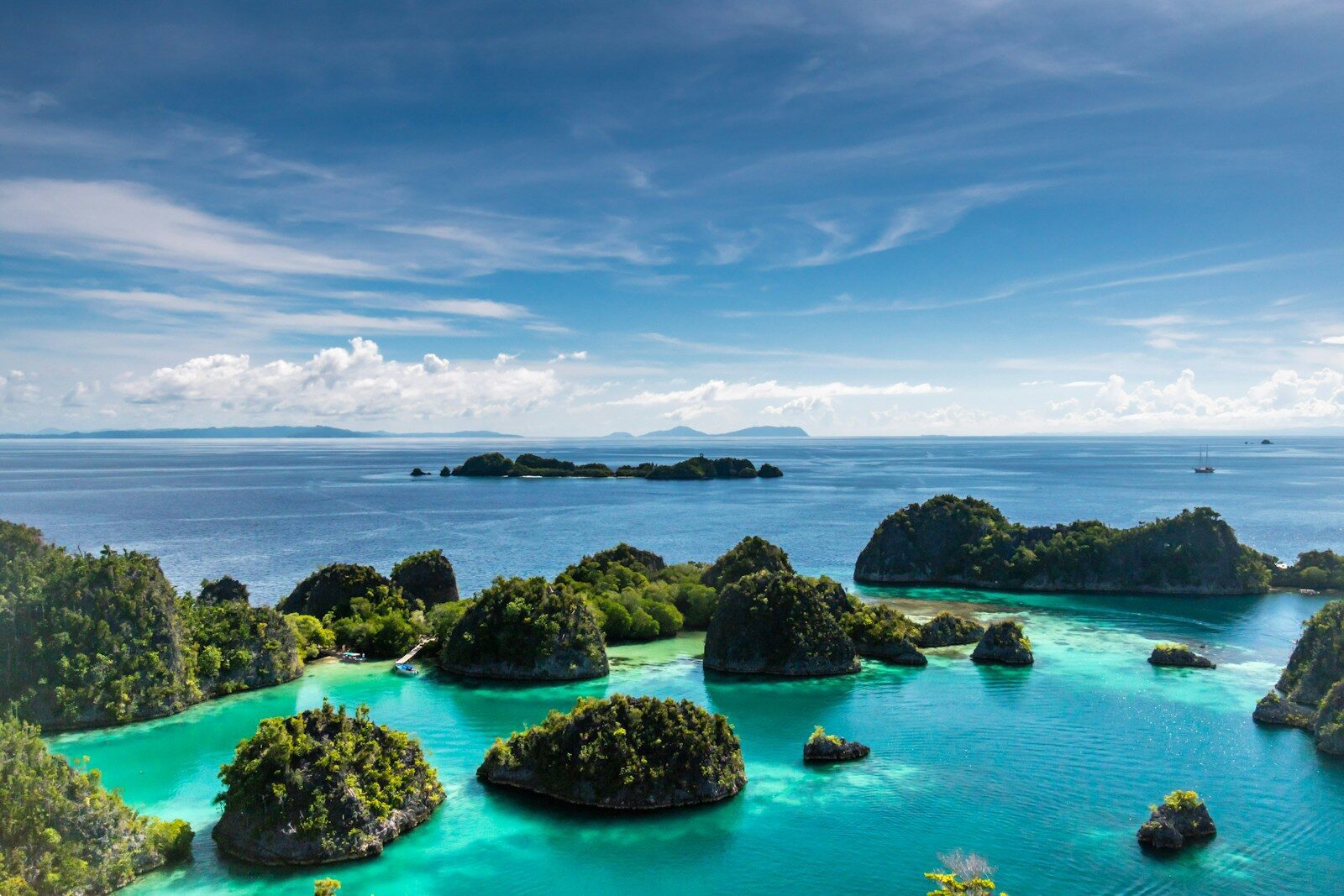
The famous limestone karst islands around Piaynemo and Wayag create some of Indonesia’s most recognizable tropical landscapes. From elevated viewpoints, travelers can see scattered emerald islands surrounded by shallow lagoons glowing in shades of blue and green.
Diving and snorkeling are the main attractions. Coral reefs here are among the healthiest on Earth, with manta rays, reef sharks, sea turtles, barracudas, and thousands of fish species. Even beginner snorkelers can experience extraordinary underwater scenery close to shore.
Despite its growing popularity, Raja Ampat still maintains a relatively low-key atmosphere compared to other global tropical destinations. Many visitors stay in family-run homestays built over the water rather than large resorts.
The best time to visit is generally between October and April when seas are calmer.
Sorong
Sorong is often treated as merely the gateway to Raja Ampat, but the city itself provides an interesting introduction to West Papua. Located on the western tip of New Guinea, Sorong is one of the fastest-growing cities in eastern Indonesia.
The harbor area is constantly active with ferries, fishing boats, and cargo ships connecting remote islands across the region. Local seafood restaurants serve fresh grilled fish, papeda, and spicy Papuan sambal.
Sorong is also a practical base for arranging transportation, permits, diving trips, and supplies before heading deeper into West Papua.
Nearby beaches and mangrove areas offer quieter escapes from the busy port atmosphere.
Arfak Mountains
The Arfak Mountains near Manokwari provide one of the best opportunities in Indonesia to experience highland Papua culture and rainforest biodiversity.
This mountainous region is famous for birdwatching, especially sightings of rare birds-of-paradise performing their elaborate courtship dances at sunrise. International wildlife photographers often travel here specifically for these encounters.
Traditional villages surrounded by misty forests create a completely different atmosphere from coastal Papua. Cool temperatures, mountain scenery, and dense jungle trails make the Arfaks ideal for trekking and eco-tourism.
Simple homestays operated by local communities allow travelers to experience village life while supporting sustainable tourism initiatives.
Manokwari
Manokwari is the capital of West Papua Province and an important historical and cultural center. The city sits between mountains and coastline, creating beautiful scenery around the bay.
Japanese World War II relics can still be found in surrounding areas, while nearby beaches offer snorkeling and sunset views. Mansinam Island near Manokwari holds particular historical significance as one of the earliest Christian missionary sites in Papua.
Manokwari also serves as the main access point for exploring the Arfak Mountains.
Teluk Cenderawasih National Park
Teluk Cenderawasih National Park is one of Indonesia’s largest marine national parks and among the best places in the world to swim with whale sharks.
Unlike many destinations where whale shark sightings are seasonal and unpredictable, fishermen platforms in Cenderawasih Bay often attract these enormous creatures regularly. Travelers can snorkel beside whale sharks in calm waters while observing their gentle behavior up close.
The park also contains coral reefs, sea turtles, dolphins, and tropical islands rarely visited by international tourists.
Because of its remote location, visiting Cenderawasih usually requires careful planning and boat transportation.
Kaimana
Kaimana remains one of West Papua’s least-visited coastal regions despite having remarkable natural beauty. The area is known for dramatic limestone cliffs, hidden beaches, ancient rock art sites, and spectacular sunsets.
Traditional fishing communities still dominate much of the coastline. Travelers seeking isolation and authentic exploration often find Kaimana deeply rewarding.
The surrounding marine environment is also excellent for diving and snorkeling, with far fewer visitors than Raja Ampat.
Fakfak
Fakfak offers a unique blend of history, spice plantations, mountain scenery, and coastal culture. Nutmeg cultivation has shaped the region for centuries, creating lush plantations across surrounding hills.
The city itself feels quieter and slower than larger Papuan urban areas. Nearby beaches, caves, waterfalls, and historical colonial remnants make Fakfak an underrated destination for travelers interested in cultural exploration.
Triton Bay
Triton Bay is often described as a hidden alternative to Raja Ampat. Located near Kaimana, the bay features spectacular underwater biodiversity, whale sharks, coral reefs, and dramatic limestone scenery.
Because tourism infrastructure remains limited, Triton Bay still feels remote and exclusive. Liveaboard diving boats occasionally visit the region, but independent travelers can also arrange local homestays and boat trips.
Hidden Gems In West Papua
Wayag Islands
Although photos of Wayag are famous internationally, relatively few travelers actually make it there due to the long boat journey from central Raja Ampat. The remote island group offers some of the most extraordinary tropical scenery in Indonesia.
Early morning climbs to limestone viewpoints reveal surreal panoramas of turquoise lagoons scattered among jungle-covered islands.
Sauwandarek Village
Located in Raja Ampat, Sauwandarek Village provides a more intimate experience of Papuan island life. Traditional wooden houses sit beside shallow reefs where sea turtles and colorful fish swim close to shore.
Snorkeling directly from the village jetty often feels like entering a natural aquarium.
Lake Anggi Giji And Lake Anggi Gida
Hidden high in the Arfak Mountains, these twin lakes are surrounded by cool mountain air and indigenous villages. The journey itself is part of the adventure, with winding roads climbing through dense rainforest.
The lakes remain largely unknown to mainstream tourism.
Tapurarang Ancient Rock Art
Near Kaimana, ancient red handprints and prehistoric drawings cover limestone cliffs facing the sea. These archaeological sites provide rare insight into early human history in Papua.
Boat trips through mangrove-lined coastlines make the experience even more atmospheric.
Pasir Timbul Raja Ampat
This temporary sandbank emerges during low tide in Raja Ampat, creating the illusion of walking across the middle of the ocean. Timing is essential because the sandbank disappears completely at high tide.
Best Things To Do In West Papua
Diving And Snorkeling
West Papua is among the best diving destinations on Earth. Raja Ampat alone contains extraordinary marine biodiversity with manta rays, reef sharks, pygmy seahorses, and vibrant coral ecosystems.
Snorkeling is equally rewarding because many reefs remain shallow and accessible.
Birdwatching
Birdwatchers travel from around the world to see birds-of-paradise in the forests of the Arfak Mountains. Early morning jungle hikes often lead to unforgettable wildlife encounters.
Other rare species include cassowaries, parrots, hornbills, and endemic forest birds.
Island Hopping
Exploring islands by boat is one of the defining experiences of West Papua. Travelers can visit isolated beaches, hidden lagoons, fishing villages, and coral reefs in a single journey.
Slow boat travel also creates opportunities to experience the rhythm of local coastal life.
Wildlife Encounters
Swimming with whale sharks in Cenderawasih Bay ranks among the province’s most unforgettable experiences. Dolphin sightings, sea turtles, and tropical marine life are also common throughout West Papua.
Trekking
Jungle trekking in the Arfak Mountains provides a completely different side of Papua compared to the coast. Trails pass through cloud forests, rivers, waterfalls, and traditional villages.
Photography
West Papua is ideal for travel photographers seeking authentic documentary-style imagery. Dramatic landscapes, indigenous culture, marine life, and traditional fishing communities create endless visual opportunities.
Local Culture And Traditions
West Papua contains immense cultural diversity. Hundreds of indigenous groups live across the province, many maintaining languages and traditions passed down for generations.
Traditional architecture varies between regions. Coastal villages often feature wooden houses built above water or along mangrove shorelines, while highland communities construct homes suited to cooler mountain climates.
Music and dance remain central to community ceremonies and celebrations. Traditional drums, body painting, feather ornaments, and woven crafts continue to play important cultural roles.
Respect for elders and local customs is deeply valued throughout Papua. Visitors are generally welcomed warmly, but respectful behavior is essential. Asking permission before photographing people is highly recommended, especially during ceremonies or in remote villages.
Many communities are increasingly involved in eco-tourism projects that balance economic opportunities with cultural preservation and environmental protection.
Food And Local Cuisine
Papuan cuisine differs significantly from western Indonesian food traditions. Sago, seafood, root vegetables, and forest ingredients play major roles in local cooking.
Papeda
Papeda is one of Papua’s signature dishes. Made from sago starch, it has a sticky texture similar to glue and is commonly served with yellow fish soup rich in turmeric and local spices.
Ikan Bakar Papua
Fresh grilled fish is common across coastal areas. Fish is usually served with sambal, rice, and tropical vegetables.
Sago-Based Snacks
Many local snacks use sago flour rather than rice or wheat. These foods reflect the deep importance of sago forests in Papuan culture.
Nutmeg Products
In Fakfak, nutmeg plantations produce traditional syrups, sweets, and spice products influenced by centuries of trade history.
Fresh Seafood
Lobster, squid, crab, shrimp, and reef fish are abundant in many coastal towns and islands.
Best Time To Visit West Papua
West Papua can technically be visited year-round, but weather conditions vary by region and activity.
| Season | Conditions | Best Activities |
|---|---|---|
| October–April | Calmer seas in Raja Ampat | Diving, snorkeling, island hopping |
| May–September | Drier mountain conditions | Trekking, birdwatching |
| June–August | Cooler temperatures inland | Highlands exploration |
| Year-round | Tropical climate overall | Cultural travel, photography |
Rain can occur at any time due to the tropical climate, but heavy storms may affect boat schedules.
How To Get To West Papua
Most international travelers reach West Papua through Jakarta, Makassar, Manado, or Bali before connecting to domestic flights.
Main airports include:
- Domine Eduard Osok Airport in Sorong
- Rendani Airport in Manokwari
- Airports in Fakfak and Kaimana
Sorong is the primary gateway for Raja Ampat.
Domestic airlines connect West Papua with major Indonesian cities, although schedules may change frequently.
Ferries also connect parts of Papua, Maluku, and nearby islands, though journeys can be long and weather-dependent.
Transportation Inside West Papua
Transportation across West Papua can be challenging due to geography and limited infrastructure.
Boats
Boats are essential for island travel. In Raja Ampat, most transportation occurs by speedboat.
Domestic Flights
Small domestic flights connect remote towns like Kaimana, Fakfak, and Manokwari.
Motorbike Rentals
Scooters are available in larger towns but less common in remote areas.
Private Drivers
Hiring local drivers is often the easiest option for inland travel.
Safety Tips
- Always confirm boat schedules in advance
- Carry cash in remote areas
- Avoid night travel in isolated regions
- Prepare for weather delays
Travel Costs And Budget Tips
West Papua is generally more expensive than many other Indonesian destinations because of transportation logistics and remoteness.
Backpacker Budget
- Budget homestays
- Shared boat trips
- Local food stalls
- Approximate daily cost: USD 35–70
Mid-Range Budget
- Comfortable guesthouses
- Organized tours
- Domestic flights
- Approximate daily cost: USD 100–250
Luxury Budget
- Dive resorts
- Liveaboard cruises
- Private boats
- Approximate daily cost: USD 400+
Travelers can reduce costs significantly by staying longer in local homestays and traveling slowly.
Where To Stay In West Papua
Homestays
Family-run homestays dominate tourism in Raja Ampat and many remote areas. These accommodations provide authentic cultural interaction and direct community support.
Eco Lodges
Eco lodges in rainforest and coastal areas focus on sustainable tourism experiences.
Dive Resorts
Luxury dive resorts are concentrated around Raja Ampat and offer full-service marine tourism experiences.
City Hotels
Sorong and Manokwari provide the widest range of urban accommodation options.
Suggested Itineraries
5 Days In West Papua
- Day 1: Arrive in Sorong
- Day 2–4: Raja Ampat island hopping and snorkeling
- Day 5: Return to Sorong
10 Days Adventure Itinerary
- Sorong
- Raja Ampat
- Arfak Mountains
- Manokwari
This itinerary combines marine exploration with rainforest trekking and cultural experiences.
Luxury Escape
Focus on liveaboard diving cruises, private island stays, and guided marine expeditions around Raja Ampat and Triton Bay.
Travel Tips For International Travelers
Internet And SIM Cards
Telkomsel provides the most reliable coverage, though internet speeds can still be limited in remote areas.
Cash
ATMs exist in major towns but may not work consistently. Carry sufficient cash before heading to smaller islands.
Responsible Tourism
Choose locally owned homestays and environmentally responsible tour operators whenever possible.
Health Tips
- Bring basic medications
- Use mosquito repellent
- Stay hydrated
- Travel insurance is highly recommended
Cultural Etiquette
Respect local traditions, dress modestly in villages, and ask permission before taking photographs.
Frequently Asked Questions About West Papua
Is West Papua safe for travelers?
Most travelers experience West Papua safely, especially in tourism areas like Raja Ampat. However, travelers should stay informed about local conditions and follow guidance from local authorities and guides.
How many days should I spend in West Papua?
At least 7–10 days is ideal due to long travel distances.
Is Raja Ampat expensive?
Compared to other Indonesian destinations, yes. Transportation and logistics increase costs significantly.
Can foreigners travel independently?
Yes, although remote areas may require guides or organized transportation.
What is the best month to visit?
October to April is excellent for Raja Ampat marine activities.
Is diving certification necessary?
No. Many areas are suitable for snorkeling and beginner diving courses.
Are there luxury accommodations?
Yes, especially in Raja Ampat.
Is West Papua suitable for backpackers?
Yes, though travelers should budget carefully for transportation costs.
Can I use credit cards?
Only in larger towns and resorts. Cash is essential in remote areas.
What languages are spoken?
Bahasa Indonesia is widely spoken alongside many indigenous Papuan languages.
Final Thoughts
West Papua is not a destination for rushed tourism. It is a place that rewards patience, curiosity, and openness to adventure. The province offers something increasingly difficult to find in modern travel: authenticity.
Whether snorkeling beside untouched coral reefs, hiking through misty mountain forests, sharing meals with local families, or watching sunrise over limestone islands, travelers quickly realize that West Papua feels fundamentally different from Indonesia’s more commercialized destinations.
The experience is often unpredictable. Weather changes suddenly. Boat schedules shift. Roads disappear into jungle terrain. Yet these challenges become part of the journey itself.
For travelers seeking hidden experiences, extraordinary biodiversity, and genuine cultural connection, West Papua remains one of Indonesia’s most remarkable frontiers.
Those willing to venture beyond the usual tourist trail often leave with memories that feel less like a vacation and more like an expedition.
Source standard used:
-
Raja Ampat Travel Guide
Raja Ampat Travel Guide: Indonesia’s Most Extraordinary Island Destination Raja Ampat is one of the few destinations in Southeast Asia that still feels genuinely remote. Located in the far eastern part of Indonesia, this island region attracts travelers searching for coral reefs, clear water, wildlife, and a slower rhythm of travel. While destinations like Bali…