Ultimate Travel Guide To Jambi, Indonesia
Table of Contents
Jambi is one of Sumatra’s most overlooked provinces. While many international travelers focus on Bali, Lombok, or even North Sumatra, Jambi remains quietly hidden behind dense rainforests, ancient Buddhist temple ruins, remote indigenous culture, and some of the wildest landscapes left in Indonesia. Deep inside this province, rivers still function as traditional transportation routes, rare wildlife survives in protected forests, and local villages continue rhythms of life that have barely changed for generations.
Located on the eastern side of Sumatra, Jambi stretches from the mountainous highlands near Kerinci Seblat National Park to lowland tropical forests and peat swamps along the coast. The province is home to towering volcanoes, tea plantations, jungle trekking routes, traditional Malay culture, and the remarkable Muaro Jambi Temple Complex — one of the largest ancient temple compounds in Southeast Asia.
For travelers seeking a more authentic Indonesian experience away from overtourism, Jambi offers something increasingly difficult to find in Southeast Asia: raw exploration. Roads disappear into jungle valleys, waterfalls hide behind remote villages, and sunrise views over Mount Kerinci feel genuinely untouched. Unlike heavily commercialized destinations, travel in Jambi still carries a sense of discovery.
Adventure travelers come here for volcano trekking, wildlife encounters, and national park expeditions. Cultural travelers are drawn to ancient history, traditional Melayu heritage, and indigenous communities near Bukit Duabelas. Photographers find endless cinematic scenery in mist-covered mountains, river landscapes, and rural village life.
Jambi is not the easiest province in Indonesia to explore — and that is exactly why many experienced travelers eventually fall in love with it.
Why Visit Jambi
Jambi feels very different from Indonesia’s mainstream tourism destinations. Instead of beach clubs and crowded tourist streets, the province offers rainforest silence, remote villages, and landscapes that still feel genuinely wild.
One of the biggest reasons to visit Jambi is its incredible geographical diversity. In the west, Kerinci highlands rise dramatically with volcanic peaks, cool mountain air, and fertile valleys covered in tea plantations and cinnamon farms. Further east, the terrain slowly descends into tropical lowlands filled with rivers, wetlands, and dense forest ecosystems.
The province is also one of Sumatra’s best destinations for nature lovers. Large parts of Kerinci Seblat National Park — a UNESCO-recognized conservation area — extend into Jambi. This enormous protected rainforest is home to endangered Sumatran tigers, hornbills, tapirs, sun bears, and rare plant species including giant rafflesia flowers.
Unlike destinations built primarily around tourism infrastructure, Jambi still revolves around local life. Markets remain traditional, villages feel authentic, and travelers often interact directly with residents rather than tourism operators. This creates a more immersive experience for visitors interested in culture and everyday Indonesian life.
History is another major attraction. The Muaro Jambi Temple Complex offers a fascinating glimpse into the ancient Melayu and Srivijaya civilizations that once controlled important regional trade routes across Sumatra and Southeast Asia. The atmosphere here feels peaceful and mysterious compared to more famous temple sites in Indonesia.
Jambi is also ideal for travelers who enjoy slower exploration. Long overland journeys, river travel, and remote hiking routes become part of the experience itself. The province rewards patience and curiosity far more than fast-paced sightseeing.
Compared to Bali or Java, tourism remains minimal in many parts of Jambi. That means fewer crowds, more meaningful local encounters, and landscapes that still feel naturally preserved rather than heavily commercialized.
Best Places To Visit In Jambi
Mount Kerinci
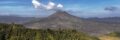
Mount Kerinci is the crown jewel of Jambi and the tallest volcano in Indonesia outside Papua. Rising above the surrounding rainforest at 3,805 meters, the mountain dominates the landscape of Kerinci highlands.
The trek to the summit is physically demanding but incredibly rewarding. Climbers usually begin before midnight to reach the crater rim at sunrise. On clear mornings, views stretch across the entire Kerinci valley with layers of jungle, lakes, and distant volcanic peaks emerging through clouds.
The trail passes through dense rainforest rich with birdlife and exotic vegetation. Lucky hikers may even spot signs of rare wildlife inside Kerinci Seblat National Park.
The best time to climb is during the dry season between May and September when trail conditions are more stable.
Kerinci Seblat National Park
This massive protected rainforest is one of Southeast Asia’s most important conservation areas. Spanning several provinces, the park protects endangered wildlife and vast ecosystems ranging from mountain forests to river valleys.
Travelers visit for jungle trekking, birdwatching, wildlife photography, and waterfall exploration. The park is one of the last habitats of the critically endangered Sumatran tiger, although sightings remain extremely rare.
The atmosphere inside the park feels ancient and untouched. Giant trees tower above narrow forest trails while mist moves slowly through the canopy during early mornings.
Lake Kerinci
Surrounded by mountains and traditional villages, Lake Kerinci offers one of the most peaceful landscapes in Sumatra. The lake becomes especially beautiful during sunrise when fog drifts across the water and fishermen begin their morning routines.
Small lakeside villages provide insight into traditional Kerinci culture. Travelers can enjoy relaxed walks, local coffee shops, and scenic drives around the lake.
The region is also known for cinnamon plantations and fertile agricultural land.
Muaro Jambi Temple Complex
The Muaro Jambi archaeological site is one of Indonesia’s most underrated historical destinations. Spread across a large forested area beside the Batang Hari River, the complex contains ancient Buddhist temple ruins dating back more than a thousand years.
Unlike Borobudur, Muaro Jambi feels quiet and atmospheric. Brick temple structures emerge from tropical greenery while bicycles and walking paths connect different sections of the complex.
Historians believe the site once served as a major religious and educational center during the Melayu and Srivijaya periods.
Gunung Tujuh Lake
Located high in the mountains near Mount Kerinci, Gunung Tujuh Lake is Southeast Asia’s highest caldera lake. Surrounded by rainforest-covered hills, the lake feels isolated and mystical.
Reaching the lake requires trekking through forest trails filled with tropical vegetation and wildlife sounds. Camping near the lake is popular among adventurous travelers.
The cool mountain climate creates a completely different atmosphere compared to coastal Indonesia.
Bukit Khayangan
Often called the “Land Above The Clouds,” Bukit Khayangan offers panoramic mountain scenery overlooking Kerinci valley.
Early morning visits are especially spectacular when thick clouds fill the valleys below while mountain peaks emerge above the mist. The viewpoint has become increasingly popular among domestic photographers but still remains relatively unknown internationally.
Tanggo Rajo
Located near Jambi City along the Batang Hari River, Tanggo Rajo is a cultural riverside area known for local food stalls, river scenery, and relaxed evening atmosphere.
It provides a glimpse into everyday urban life in Jambi while offering sunset views over one of Sumatra’s longest rivers.
Bukit Duabelas National Park
This protected forest area is known as the homeland of the indigenous Orang Rimba community, semi-nomadic forest people who have lived in Sumatra’s jungles for generations.
Responsible cultural tourism here should always prioritize respect and sustainability. The park itself also offers beautiful rainforest scenery and biodiversity.
Hidden Gems In Jambi
Telun Berasap Waterfall
One of the most beautiful waterfalls in Jambi, Telun Berasap is surrounded by lush forest and cool mountain air. Mist constantly rises from the powerful falls, creating its name which roughly translates to “smoky waterfall.”
The surrounding area remains peaceful and less commercialized than waterfalls in Java or Bali.
Renah Kemumu Village
This scenic village near Kerinci offers stunning rice terrace landscapes with Mount Kerinci rising dramatically in the background.
Traditional farming life continues largely unchanged here, making it ideal for slow travel photography and cultural experiences.
Lake Kaco
Lake Kaco is famous for its striking blue water hidden deep inside Kerinci Seblat rainforest. Reaching the lake requires trekking through jungle trails with local guides.
At night, moonlight reflecting on the water creates an almost surreal atmosphere.
Lubuk Bangku Hot Springs
Hidden near forest areas outside major tourist routes, these natural hot springs provide a relaxing stop after mountain trekking.
Local visitors rather than international tourists dominate the area, maintaining an authentic atmosphere.
Best Things To Do In Jambi
Volcano Trekking
Jambi is one of Indonesia’s best provinces for volcano trekking thanks to Mount Kerinci. Multi-day hiking expeditions attract serious adventure travelers from around the world.
Wildlife And Jungle Exploration
Kerinci Seblat National Park offers opportunities for birdwatching, wildlife tracking, and rainforest trekking.
Guided jungle trips often include learning about medicinal plants, local ecosystems, and conservation challenges.
Cultural Exploration
Travelers interested in culture can explore traditional Kerinci villages, Melayu heritage sites, and riverside communities across the province.
Visiting local markets also provides insight into daily life and regional food culture.
Landscape Photography
Jambi’s misty mountains, lakes, waterfalls, and rural scenery make it one of Sumatra’s strongest photography destinations.
Sunrise conditions around Kerinci valley are particularly dramatic.
Local Culture And Traditions
Jambi’s culture blends Melayu traditions with influences from highland ethnic communities and indigenous forest groups.
Traditional Melayu customs remain visible in local ceremonies, music, dance, and architecture. Wooden stilt houses still appear throughout rural areas while Islamic traditions strongly shape community life.
The Kerinci people maintain unique cultural identity including traditional weaving, oral storytelling, and agricultural traditions tied closely to mountain environments.
In parts of Bukit Duabelas, the Orang Rimba indigenous community continues forest-based lifestyles despite increasing modernization pressures.
Travelers should always approach cultural interactions respectfully and avoid treating indigenous communities as tourist attractions.
Food And Local Cuisine
Jambi cuisine reflects Melayu flavors mixed with Sumatra’s love for rich spices and river-based ingredients.
Tempoyak
Fermented durian sauce commonly served with fish. The flavor is strong, unique, and deeply connected to local culinary traditions.
Gulai Ikan Patin
Catfish curry cooked with rich spices and coconut milk. This is one of Jambi’s signature dishes.
Nasi Gemuk
A fragrant rice dish similar to nasi lemak, usually eaten for breakfast with sambal, eggs, and fried anchovies.
Kopi Kerinci
Coffee from Kerinci highlands has gained increasing recognition for its quality thanks to fertile volcanic soil and cool mountain climate.
Best Time To Visit Jambi
The best period to visit Jambi is generally during the dry season from May to September.
Dry Season
- Better trekking conditions
- Clearer mountain views
- Easier road access
- Ideal for photography
Rainy Season
- Lush green scenery
- Stronger waterfalls
- More difficult trekking conditions
- Occasional flooding in lowland areas
Mount Kerinci climbs are safest during stable dry weather conditions.
How To Get To Jambi
Most international travelers reach Jambi through domestic connections from major Indonesian cities.
By Air
Sultan Thaha Airport serves domestic flights from Jakarta, Batam, Medan, and several other Indonesian cities.
Travelers heading to Kerinci often continue by road from Jambi City or fly via nearby regional airports.
By Land
Long-distance buses connect Jambi with other Sumatran provinces including West Sumatra, South Sumatra, and Riau.
By Ferry
Some eastern coastal areas can also be accessed through regional ferry networks.
Transportation Inside Jambi
Traveling across Jambi requires flexibility because distances can be significant.
Renting A Car
Private drivers are often the easiest solution for exploring remote areas and mountain regions.
Motorbike Rental
Popular among backpackers exploring Kerinci highlands and smaller villages.
Public Transportation
Available between major towns but often limited for remote destinations.
River Transportation
In some areas, rivers remain important transportation routes.
Travel Costs And Budget Tips
Compared to Bali or Java, Jambi remains relatively affordable.
Backpacker Budget
- Budget guesthouses
- Local food stalls
- Shared transportation
- Approximate daily range: affordable for long-term travel
Mid-Range Travelers
- Comfortable hotels
- Private transportation
- Guided trekking tours
- Better dining options
Luxury Travelers
Luxury tourism remains limited compared to Bali, but eco-lodges and private nature experiences are slowly developing around Kerinci.
Where To Stay In Jambi
Backpacker Guesthouses
Available mainly around Kerinci and Jambi City.
Eco Lodges
Nature-focused accommodations near rainforest and mountain areas provide immersive experiences.
City Hotels
Jambi City offers modern hotels suitable for transit travelers and business visitors.
Suggested Itineraries
3 Days In Jambi
- Day 1: Explore Jambi City and Muaro Jambi Temple
- Day 2: Travel to Kerinci highlands
- Day 3: Visit Lake Kerinci and nearby waterfalls
7 Days In Jambi
- Mount Kerinci trekking
- Jungle exploration
- Traditional villages
- Lake scenery
- Cultural experiences
Adventure Itinerary
Focus on volcano trekking, rainforest camping, and hidden waterfalls.
Travel Tips For International Travelers
- Buy local SIM cards in major cities before entering remote areas
- ATM access becomes limited outside urban centers
- Respect conservative local customs
- Prepare for long overland travel times
- Use local guides for jungle trekking
- Bring rain protection year-round
- Learn basic Indonesian phrases for easier interaction
Frequently Asked Questions About Jambi
Is Jambi safe for travelers?
Yes, Jambi is generally safe for international travelers, especially those using common travel precautions.
What is the best month to visit Jambi?
June to September usually offers the best weather conditions.
How many days should I spend in Jambi?
At least 5–7 days is recommended for exploring both cultural and natural attractions.
Is Mount Kerinci difficult to climb?
Yes, the climb can be physically demanding and requires reasonable fitness.
Can foreigners travel independently in Jambi?
Yes, although remote areas are easier with local guides or drivers.
Is Jambi expensive?
No, Jambi is generally more affordable than Bali and many other tourist destinations.
Are there luxury resorts in Jambi?
Luxury accommodation is still limited but eco-tourism is slowly growing.
What food should I try in Jambi?
Tempoyak, gulai ikan patin, and local Kerinci coffee are highly recommended.
Final Thoughts
Jambi is not a destination for travelers searching for convenience or polished tourism infrastructure. It is a province for explorers — people who enjoy long roads through jungle valleys, quiet mornings beside volcanic lakes, and places that still feel deeply connected to nature and tradition.
The beauty of Jambi lies in its authenticity. Ancient temple ruins remain surrounded by forest instead of crowds. Villages continue daily routines shaped by mountains and rivers. Rainforest trails still carry uncertainty and discovery.
For international travelers willing to go beyond Indonesia’s mainstream routes, Jambi offers one of Sumatra’s most rewarding experiences. The province may never become as famous as Bali, but that is exactly what makes it unforgettable.