
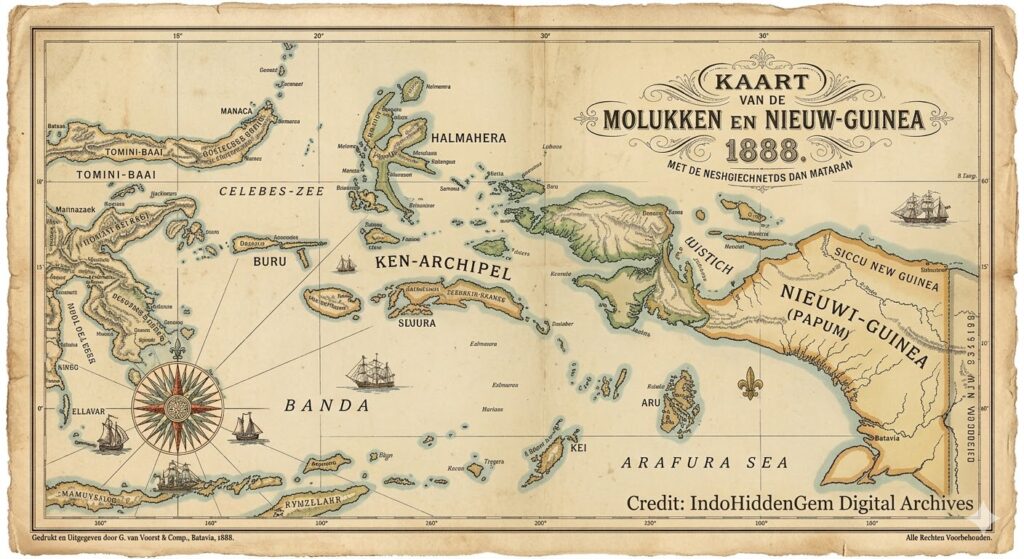
Maluku Travel Guide – Indonesia’s Forgotten Spice Islands
## Why Maluku Is One of Indonesia’s Last True Adventure Destinations
For most international travelers, Indonesia begins with Bali. Some continue toward Lombok, Komodo, or Raja Ampat. Very few travel farther east into the remote island chain historically known as the Spice Islands.
That is exactly why Maluku still feels extraordinary.
Unlike heavily commercialized destinations across Southeast Asia, Maluku remains raw, authentic, and deeply connected to local island life. Travelers do not come here for luxury beach clubs or influencer cafés. They come for volcanic islands, untouched coral reefs, quiet fishing villages, colonial history, and the feeling of genuine exploration.
Stretching across eastern Indonesia between Sulawesi and Papua, Maluku consists of hundreds of islands scattered across the Banda Sea. Some islands are surrounded by turquoise lagoons and empty white sand beaches, while others rise dramatically from the ocean as jungle-covered volcanic peaks.
For travelers from Europe and the United States looking for a slower, more meaningful version of Indonesia, Maluku offers something increasingly difficult to find:
- * Real adventure
- * Extremely low tourist crowds
- * Authentic local culture
- * World-class diving and snorkeling
- * Historic spice trade heritage
- * Remote island exploration
- * Quiet beaches without mass tourism
This is not easy travel.
Ferries are sometimes delayed. Internet can disappear. Domestic logistics require patience. Accommodation standards vary dramatically between islands.
But for many experienced travelers, those imperfections are exactly what make Maluku unforgettable.
Instead of polished tourism infrastructure, visitors discover a destination that still feels independent from global tourism trends.
In Maluku, travel still feels real.
-
Raja Ampat Travel Guide
Raja Ampat Travel Guide: Indonesia’s Most Extraordinary Island Destination Raja Ampat is one of the few destinations in Southeast Asia that still feels genuinely remote. Located in the far eastern part of Indonesia, this island region attracts travelers searching for coral reefs, clear water, wildlife, and a slower rhythm of travel. While destinations like Bali…
-
Kei Islands Travel Guide: Indonesia’s Hidden Tropical Paradise Beyond Bali
Kei Islands Travel Guide: Indonesia’s Hidden Tropical Paradise Beyond Bali Introduction The Kei Islands are one of the last truly under-the-radar tropical destinations in Indonesia. Located deep in the southeastern part of Maluku Province, far away from Bali’s beach clubs and Lombok’s busy tourist zones, the Kei Islands feel like a forgotten paradise where nature…
-
Karimun Jawa Travel Guide
The Ultimate Hidden Paradise in Indonesia for European & US Travelers Introduction: Indonesia’s Secret Island Escape Beyond Bali There are places in the world that still feel undiscovered. Not “Instagram undiscovered.”Not “travel influencer hidden gem” undiscovered.But genuinely quiet. Raw. Untouched. Karimunjawa is one of those places. Located in the middle of the Java Sea, roughly…
-
Anambas Islands: Indonesia’s Untouched Tropical Paradise
Aerial view of Anambas Islands turquoise water and jungle islets Indonesia Imagine a place where the South China Sea shifts from deep indigo to glowing turquoise, where traditional fishing villages float above coral gardens, and where the roar of jet skis is replaced by the whisper of the wind through casuarina trees. Far from the…
-
AYANA Komodo Waecicu Beach
Inside AYANA Komodo Waecicu Beach – The Most Luxurious Resort in Labuan Bajo Introduction Perched on a gentle hillside overlooking the turquoise waters of Flores Sea, AYANA Komodo Waecicu Beach stands as the most refined luxury resort in Labuan Bajo. As the gateway to Komodo National Park, Labuan Bajo has grown rapidly in popularity among…
—
Where Is Maluku?
Maluku is located in eastern Indonesia between Sulawesi and Papua. Historically, the region became famous worldwide as the legendary Spice Islands because nutmeg and cloves originally grew naturally only here.
For centuries, European powers fought for control of these islands because spices were once among the most valuable commodities on Earth.
Today, Maluku remains one of Indonesia’s least-visited regions internationally.
Major island groups include:
- * Ambon
- * Banda Islands
- * Kei Islands
- * Seram
- * Halmahera
- * Ternate
- * Tidore
- * Morotai
Unlike Bali or Java, distances between islands are enormous. Reaching different destinations usually requires combinations of:
- * Domestic flights
- * Fast boats
- * Overnight ferries
- * Small speedboats
- * Overland transfers
That complexity is one reason tourism remains relatively limited.
Ironically, it is also why Maluku still feels authentic.
—
Why Travelers From Europe & The US Love Maluku
It Still Feels Undiscovered
One of Maluku’s biggest attractions is how uncrowded it remains.
Even famous locations like Banda Neira or Kei Islands often feel peaceful compared to Bali, Phuket, or Komodo.
Travelers regularly experience:
- * Empty beaches
- * Quiet snorkeling sites
- * Villages with almost no foreign tourists
- * Sunset viewpoints without crowds
- * Local interactions that feel genuine rather than commercial
History Feels Alive
Maluku is not only beautiful.
It is historically important.
The global spice trade shaped European colonial expansion, maritime exploration, and international commerce for centuries.
Walking through Banda Neira feels almost cinematic.
Travelers encounter:
- * Old Dutch forts
- * Colonial mansions
- * Nutmeg plantations
- * Historic harbors
- * Ancient cannons facing the sea
Even Manhattan has a historical connection to Maluku.
During the 17th century, the Dutch traded Manhattan to the British in exchange for Run Island in the Banda archipelago because nutmeg was considered more valuable at the time.
The Diving Is Exceptional
Maluku sits inside the Coral Triangle, one of the most biodiverse marine ecosystems on Earth.
Divers and snorkelers can experience:
- * Healthy coral reefs
- * Hammerhead shark encounters
- * Volcanic underwater landscapes
- * Macro diving in Ambon
- * Crystal-clear visibility
- * Remote dive sites with almost no tourism pressure
Many experienced divers quietly consider parts of Maluku comparable to Raja Ampat — but with fewer visitors.
The Atmosphere Feels Different
Modern tourism often removes unpredictability.
Maluku still feels spontaneous.
A delayed ferry might create an unexpected overnight stay in a tiny fishing village. A local boat captain may invite travelers to hidden snorkeling locations not listed online.
This kind of travel is increasingly rare.
—
Best Islands in Maluku
Banda Islands – Best for History & Diving
The Banda Islands are the emotional heart of Maluku.
This tiny volcanic archipelago combines:
- * Colonial history
- * Nutmeg plantations
- * Exceptional diving
- * Quiet island life
- * Dramatic volcanic scenery
Banda Neira feels unlike anywhere else in Indonesia.
Travelers spend their days:
- * Exploring Dutch forts
- * Diving volcanic reefs
- * Drinking coffee beside the harbor
- * Watching sunsets over Gunung Api volcano
- * Visiting local spice plantations
The atmosphere feels deeply atmospheric rather than luxurious.
### Best For
- * Divers
- * Slow travelers
- * Photographers
- * History lovers
- * Couples
### Downsides
- * Difficult logistics
- * Limited internet
- * Basic infrastructure
- * Weather-dependent transport
—
Kei Islands – Best Beaches in Maluku
If Banda is about history and atmosphere, Kei is about tropical beauty.
The Kei Islands contain some of the most beautiful beaches in Indonesia.
Pasir Panjang Beach especially shocks many travelers because it remains almost empty despite world-class scenery.
Travelers looking for untouched beaches and crystal-clear waters in eastern Indonesia should not miss this complete Kei Islands Travel Guide.
Expect:
- * White powder sand
- * Shallow turquoise lagoons
- * Calm snorkeling conditions
- * Sandbars
- * Traditional fishing villages
- * Relaxed island life
There is very little nightlife.
The experience focuses on nature, simplicity, and slow travel.
### Best For
- * Beach lovers
- * Honeymoon travelers
- * Snorkelers
- * Relaxation
- * Photography
—
Ambon – Best Gateway & Macro Diving Hub
Many travelers initially see Ambon only as a transit city.
That is a mistake.
Ambon offers:
- * Excellent seafood
- * Better infrastructure
- * Historical sites
- * Local markets
- * World-famous macro diving
Underwater photographers especially love Ambon because of its famous muck diving sites.
Possible marine sightings include:
- * Frogfish
- * Rhinopias
- * Seahorses
- * Nudibranchs
- * Ghost pipefish
- * Blue-ring octopus
Ambon also works well as a comfortable introduction to Maluku before continuing toward more remote islands.
—
Seram – Best for Jungle & Wildlife Adventure
Seram feels wild, remote, and far less developed.
Travelers visit for:
- * Rainforest trekking
- * Birdwatching
- * Remote villages
- * Wildlife encounters
- * Mountain scenery
Conditions can feel rugged.
Roads are rough in places, internet is unreliable, and infrastructure remains basic.
But adventurous travelers often love exactly that.
—
Ternate & Tidore – Best Volcanoes & Spice Trade History
North Maluku offers dramatic volcanic landscapes combined with important spice trade heritage.
Travelers can explore:
- * Historic forts
- * Clove plantations
- * Volcanic viewpoints
- * Traditional markets
- * Black sand beaches
These islands feel more urban than Banda or Kei while still maintaining strong cultural identity.
—
How to Get to Maluku
International Flights
There are currently no major direct international flights into most Maluku destinations.
Most European and American travelers first fly into:
- * Jakarta
- * Bali
- * Makassar
- * Manado
Common routes include:
### From Europe
- * Amsterdam → Jakarta
- * Frankfurt → Jakarta
- * London → Singapore → Jakarta
- * Paris → Bali
- * Istanbul → Jakarta
### From The United States
- * Los Angeles → Tokyo → Jakarta
- * San Francisco → Singapore → Bali
- * New York → Doha → Jakarta
Most journeys require between 20–35 hours of total travel time.
Domestic Flights Into Maluku
Ambon (AMQ) functions as the primary gateway into central Maluku.
Most travelers heading toward:
- * Banda Islands
- * Kei Islands
- * Seram
- * Lease Islands
will pass through Ambon first.
Common domestic airlines include:
- * Garuda Indonesia
- * Batik Air
- * Citilink
- * Lion Air
- * Wings Air
Ferry & Boat Travel
Boat transport is a major part of the Maluku experience.
Travelers use:
- * Pelni ferries
- * Fast boats
- * Speedboats
- * Local wooden boats
Sea conditions can become rough, especially during bad weather.
Travelers prone to seasickness should prepare carefully.
—
Best Time to Visit Maluku
Weather in Maluku differs from western Indonesia.
Generally, the best overall period for travel is:
October to April
During these months:
- * Sea conditions are usually calmer
- * Diving visibility improves
- * Ferry travel becomes easier
- * Tropical landscapes remain green
Temperatures stay warm year-round:
* 27–32°C (80–90°F)
Humidity can feel intense for travelers arriving from Europe or North America.
Best Months for Diving
Many divers prefer:
- * October
- * November
- * March
- * April
Hammerhead shark encounters around Banda become possible during certain seasons.
Important Weather Reality
Maluku is not a destination with guaranteed perfect sunshine every day.
Travelers should expect:
- * Sudden tropical rain
- * Rough seas occasionally
- * Humidity
- * Weather-related transport delays
Flexibility is essential.
—
Diving & Snorkeling in Maluku
Banda Sea Diving
The Banda Sea is legendary among experienced divers.
Possible highlights include:
- * Hammerhead sharks
- * Massive schools of fish
- * Volcanic underwater walls
- * Deep blue drop-offs
- * Healthy coral reefs
- * Excellent visibility
Many sites still feel untouched compared to more commercial dive destinations.
Ambon Macro Diving
Ambon is internationally respected for macro diving.
Photographers search for:
- * Frogfish
- * Rhinopias
- * Seahorses
- * Nudibranchs
- * Mimic octopus
- * Flamboyant cuttlefish
Snorkeling in Kei Islands
The Kei Islands offer some of the easiest snorkeling conditions in Maluku.
Shallow reefs, calm lagoons, and clear water create ideal conditions even for beginners.
—
Wildlife & Nature
Maluku’s ecosystems extend far beyond beaches.
Travelers also encounter:
- * Rainforests
- * Volcanic landscapes
- * Mangroves
- * Tropical birdlife
- * Endemic island species
Seram Island especially attracts birdwatchers and nature travelers.
Possible sightings include:
- * Eclectus parrots
- * Cockatoos
- * Kingfishers
- * Lorikeets
Wildlife experiences in Maluku feel more subtle and immersive rather than safari-style.
The real magic often comes from the feeling that nature still dominates daily life.
—
Food & Daily Life
Food in Maluku revolves heavily around seafood.
Common dishes include:
- * Grilled tuna
- * Fried reef fish
- * Sambal sauces
- * Coconut soups
- * Sago dishes
- * Tropical fruit
Dining is generally simple rather than luxurious.
Instead of high-end restaurants, travelers find:
- * Local seafood warungs
- * Family-run cafés
- * Traditional markets
- * Harbor restaurants
Daily life moves slowly.
Fishing boats leave before sunrise. Villages become quiet during the hottest afternoon hours. Evenings center around family gatherings, music, and conversation.
One of the most memorable aspects of Maluku is how naturally social interactions still feel.
—
Accommodation in Maluku
Budget Accommodation
Budget travelers usually stay in:
- * Homestays
- * Family guesthouses
- * Small harbor hotels
- * Local inns
Facilities can feel basic but often provide the most authentic experiences.
Mid-Range Hotels
Better mid-range accommodation exists mainly in:
- * Ambon
- * Banda Neira
- * Kei Islands
- * Ternate
Expect:
- * Air conditioning
- * Private bathrooms
- * More reliable electricity
- * Organized transfers
But even mid-range properties remain simpler than Bali standards.
Dive Resorts & Eco Resorts
Limited higher-end accommodation exists through:
- * Dive resorts
- * Eco lodges
- * Private island stays
Travelers should understand they are paying for remoteness and exclusivity rather than ultra-modern luxury.
—
Transportation Between Islands
Transportation is one of the biggest challenges in Maluku.
Domestic Flights
Flights save time but schedules can change suddenly.
Always build buffer days into itineraries.
Pelni Ferries
Pelni ferries are iconic across Indonesia.
They are:
- * Cheap
- * Slow
- * Crowded
- * Memorable
Travelers experience real Indonesian daily life while crossing remote seas.
Speedboats & Local Boats
Many shorter routes use:
- * Fast boats
- * Small speedboats
- * Local charter boats
Weather conditions affect schedules heavily.
—
Suggested Maluku Itineraries
10-Day Introduction Itinerary
### Days 1–2: Ambon
- * Recover from long-haul flights
- * Explore local markets
- * Enjoy seafood
### Days 3–6: Banda Islands
- * Dive or snorkel
- * Visit Dutch forts
- * Explore nutmeg plantations
- * Hike Gunung Api
### Days 7–9: Kei Islands
- * Relax on beaches
- * Snorkel lagoons
- * Visit fishing villages
### Day 10: Return to Ambon
Always keep one buffer day before international departures.
2-Week Adventure Itinerary
Recommended route:
- * Ambon
- * Banda Islands
- * Seram
- * Kei Islands
- This route combines:
- * History
- * Wildlife
- * Beaches
- * Diving
- * Culture
—
Costs & Budget Expectations
Budget Travelers
Approximate budget:
* USD 35–70 per day
Possible with:
- * Guesthouses
- * Local ferries
- * Street food
- * Minimal diving
Mid-Range Travelers
Approximate budget:
* USD 90–180 per day
Includes:
- * Comfortable accommodation
- * Domestic flights
- * Diving activities
- * Better restaurants
Main Expense = Transportation
Maluku itself can feel affordable.
But reaching remote islands increases costs significantly.
Domestic flights and private boat transfers often become the biggest travel expenses.
—
Pros & Cons of Traveling in Maluku
Pros
- * Extremely low tourist crowds
- * Authentic local culture
- * Exceptional diving
- * Incredible history
- * Genuine adventure atmosphere
- * Beautiful beaches
- * Untouched reefs
Cons
- * Difficult logistics
- * Rough ferry conditions sometimes
- * Inconsistent internet
- * Limited luxury infrastructure
- * Heat and humidity
- * Mosquitoes
- * Long travel times
Maluku rewards flexible travelers far more than travelers expecting convenience.
—
Essential Travel Tips
Carry Cash
ATMs are unreliable on smaller islands.
Always bring backup Indonesian rupiah.
Travel Slowly
Trying to visit too many islands too quickly usually creates exhaustion.
Maluku rewards slower travel.
Pack Light
Island transfers become difficult with large luggage.
Backpacks work better than hard suitcases.
Download Offline Maps
Internet may disappear unexpectedly.
Prepare:
- * Offline Google Maps
- * Offline translation tools
- * Screenshots of ferry tickets
Respect Local Culture
Outside tourism areas, modest clothing and respectful behavior are appreciated.
Simple Indonesian greetings go a long way.
—
Sustainable Travel in Maluku
Maluku still feels relatively untouched.
Responsible tourism matters enormously.
Travelers should:
- * Avoid damaging coral reefs
- * Use reef-safe sunscreen
- * Reduce plastic waste
- * Support local businesses
- * Respect village culture
- * Choose responsible dive operators
The future of tourism in Maluku depends heavily on preserving what makes the islands special.
—
Final Verdict – Is Maluku Worth Visiting?
For the right traveler, absolutely.
Maluku is one of the last places in Indonesia where travel still feels exploratory rather than curated.
You do not visit Maluku for convenience.
You visit because:
- * Beaches remain empty
- * Villages still feel authentic
- * Reefs remain healthy
- * History feels alive
- * Transportation still feels adventurous
- * Sunsets happen without crowds
The islands are not always comfortable.
Logistics can become tiring.
Weather changes plans constantly.
But travelers willing to embrace uncertainty often discover something increasingly rare in modern tourism:
A destination that still feels real.
That is the true magic of Maluku.
—
FAQ About Traveling to Maluku
Is Maluku Safe for Foreign Travelers?
Generally yes. Most travelers experience warm hospitality across the islands.
How Many Days Do I Need?
At least 10–14 days is recommended because travel distances are large.
Is Maluku Expensive?
Daily life can feel affordable, but transportation increases overall costs.
Is Maluku Better Than Raja Ampat?
They offer very different experiences.
Raja Ampat focuses more heavily on luxury diving tourism, while Maluku combines history, culture, beaches, and marine biodiversity with fewer tourists.
Can Beginners Dive in Maluku?
Yes, many areas suit beginners, although some sites have strong currents.
Is Internet Reliable?
Only in larger hubs like Ambon. Remote islands often have weak or inconsistent connections.
Can I Travel Independently?
Yes, but patience and flexibility are essential.
What Should I Pack?
Essentials include:
- * Reef-safe sunscreen
- * Insect repellent
- * Dry bags
- * Lightweight clothing
- * Motion sickness medication
- * Power bank
- * Backup cash
What Makes Maluku Special?
Maluku feels far less commercialized than Bali or other major Southeast Asian tourism destinations.
The experience centers around:
- * Exploration
- * History
- * Marine life
- * Authentic island culture
- * Slow travel
That combination makes the Spice Islands one of Indonesia’s most rewarding adventure destinations.