
Sumatra’s Best Hidden Gems: Off the Beaten Path
Sumatra is not just a destination—it is one of Indonesia’s most diverse and least explored travel frontiers. Stretching from Aceh in the north to South Sumatra in the south, the island offers a rare combination of volcanic landscapes, ancient cultures, remote islands, dense rainforests, and untouched coastlines.
Unlike Bali or Java, Sumatra remains largely undiscovered by mass tourism. This makes it an ideal destination for travelers seeking authentic experiences, cultural depth, and nature in its rawest form.
For IndoHiddenGem, Sumatra represents the true essence of Indonesia—wild, cultural, and deeply immersive.
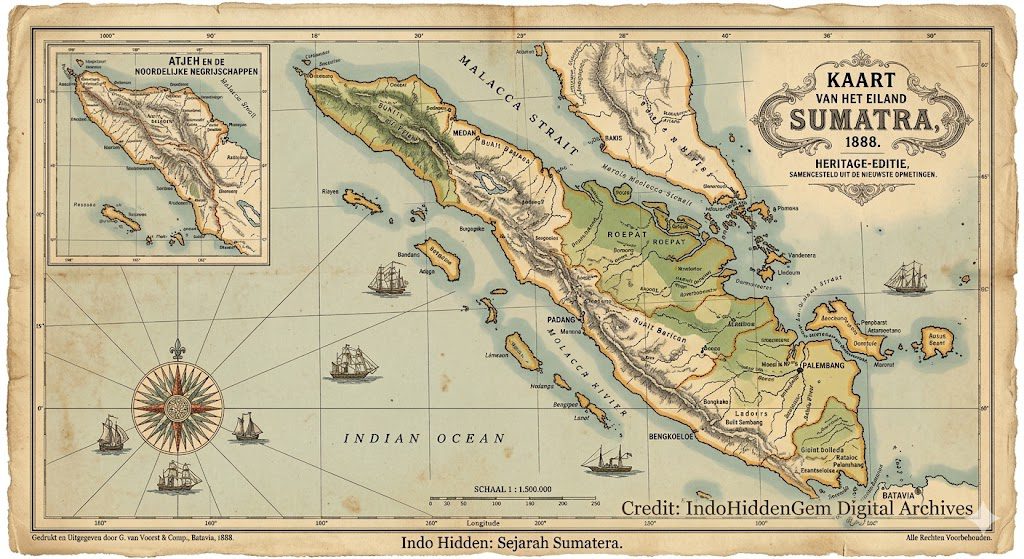
A rare cartographic reconstruction of theSumatra archipelago as it appeared in 1888. Reproduced by IndoHiddenGem Digital Archives.
Sumatra at a Glance
Table of Contents
Best Place to Visit In Sumatra
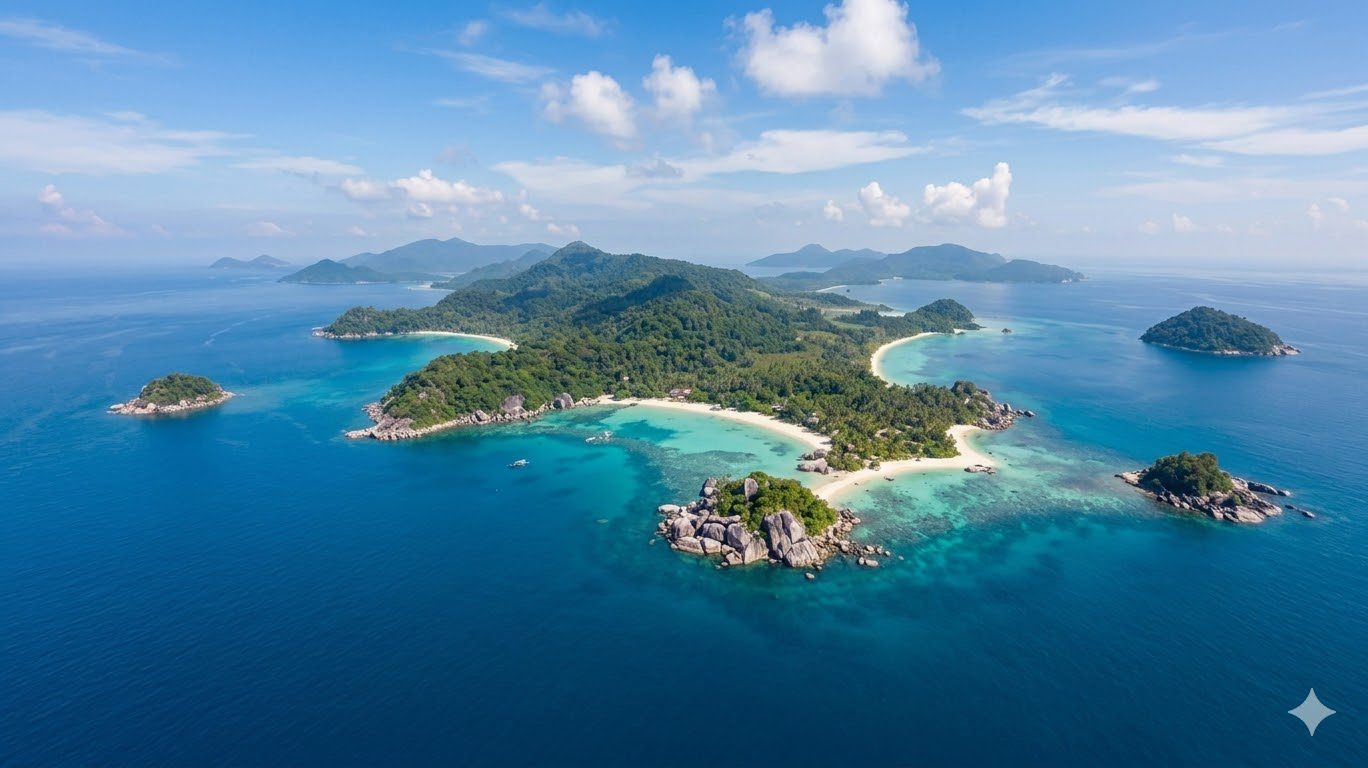
How To Travel Around Sumatra
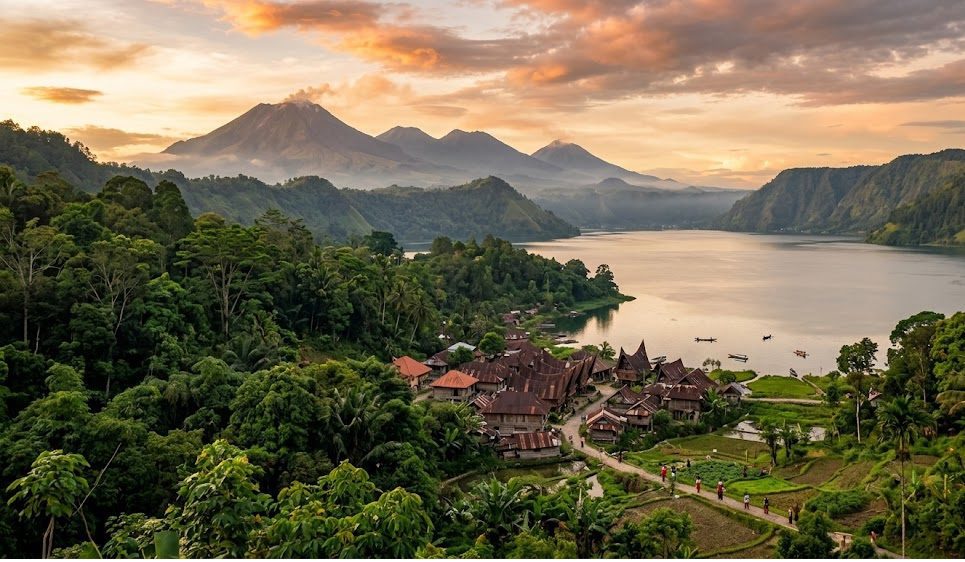
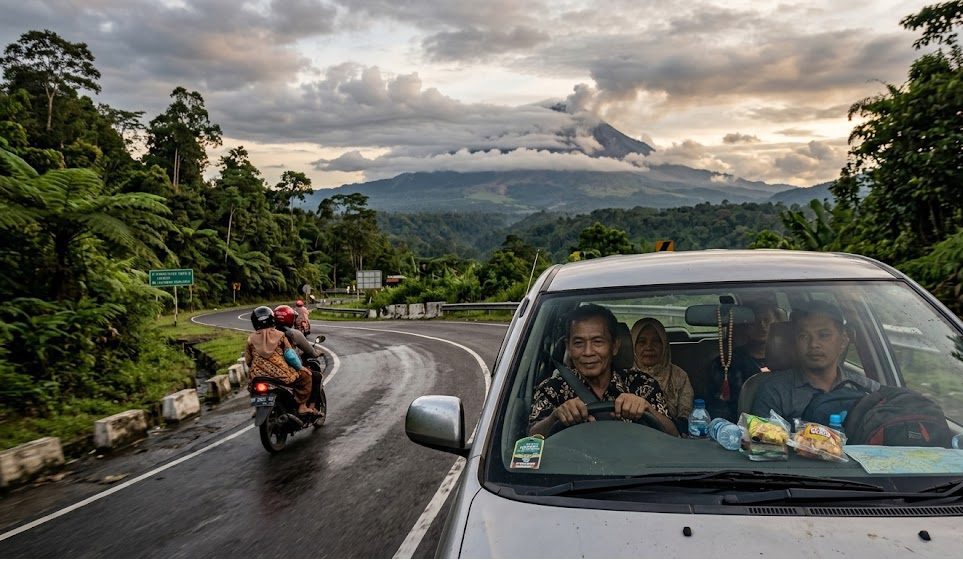
Traveling across Sumatra is very different from traveling around Bali or Java. Distances are large, roads often pass through mountains and jungle regions, and transportation can take longer than many first-time travelers expect. However, this slower pace is also part of what makes Sumatra feel adventurous, authentic, and rewarding.
For travelers seeking volcano trekking, wildlife encounters, remote islands, and cultural diversity beyond mainstream tourism, Sumatra offers one of the most memorable overland journeys in Southeast Asia.
Domestic Flights in Sumatra
Because Sumatra is Indonesia’s largest western island, domestic flights are often the fastest way to connect major regions. Cities such as Medan, Padang, Banda Aceh, Pekanbaru, Palembang, and Lampung are linked by regular flights from Jakarta, Kuala Lumpur, Singapore, and Bali.
For international travelers, Medan is usually the main gateway into northern Sumatra, while Padang is popular for surfers heading to the Mentawai Islands.
Flying between regions can save significant travel time, especially for visitors with limited schedules. Overland routes may look short on maps but often require long driving hours through mountain roads.
Traveling by Bus and Shared Transport
Long-distance buses and shared minivans are common throughout Sumatra and are widely used by both locals and backpackers.
Budget travelers often use:
- overnight buses
- shared cars
- local minibuses
- intercity shuttle services
Road conditions vary significantly between provinces. Some routes are smooth and modern, while others may involve winding mountain roads, heavy rain, or slower rural traffic.
Travelers should avoid planning overly ambitious routes in short periods. A journey that appears close on the map may still require an entire day of travel.
Ferries and Island Connections
Several of Sumatra’s most beautiful destinations require ferry or boat connections.
Popular island routes include:
- Weh Island from Banda Aceh
- Mentawai Islands from Padang
- Nias Island from Sibolga
- Banyak Islands from Singkil
Weather conditions can occasionally affect schedules, especially during monsoon periods. Travelers heading to remote islands should always allow extra buffer days in their itinerary.
Hiring a Driver vs Independent Travel
Independent travel is possible across many parts of Sumatra, especially for experienced travelers comfortable with flexible schedules and basic local transportation.
However, many visitors choose to hire a private driver for:
- volcano regions
- remote villages
- jungle routes
- multi-day overland trips
Hiring a local driver often reduces stress and allows travelers to access places that are difficult to reach using public transportation alone.
For photographers, surfers, wildlife travelers, and couples seeking comfort, private transport can significantly improve the overall experience.
Travel Time Reality in Sumatra
One of the biggest mistakes first-time visitors make is underestimating travel time.
Sumatra is not a destination designed for rushed travel. Mountain terrain, weather conditions, ferry schedules, and road quality can all affect journey times.
Instead of trying to visit too many destinations quickly, travelers usually enjoy Sumatra more when they slow down and spend longer in fewer places.
The island rewards patience, flexibility, and curiosity far more than checklist-style tourism.
Why Sumatra Is Becoming Indonesia’s Next Great Adventure Destination
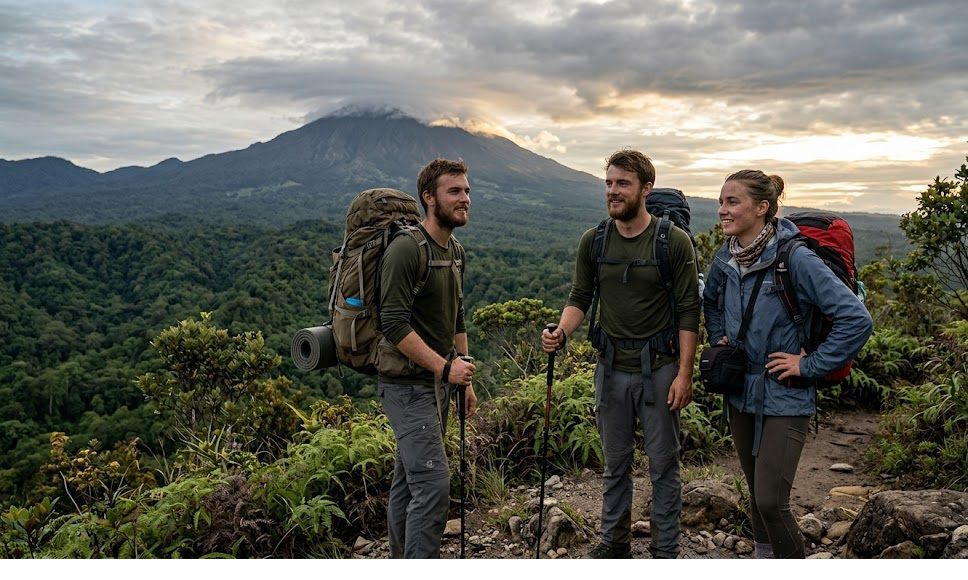
For decades, most international travelers visiting Indonesia focused almost entirely on Bali. But beyond Bali lies a very different side of the country — one shaped by rainforest, volcanoes, tribal cultures, remote islands, and some of Southeast Asia’s last truly wild landscapes.
That place is Sumatra.
Stretching across western Indonesia, Sumatra offers experiences that are increasingly difficult to find in modern travel. Travelers can trek through jungle ecosystems searching for wild orangutans, climb active volcanoes above the clouds, explore traditional villages, surf remote coastlines, and travel for days without encountering large-scale tourism.
Unlike more commercial destinations in Southeast Asia, Sumatra still feels unpredictable, vast, and deeply authentic.
For travelers from Europe and the United States seeking nature, adventure, cultural depth, and journeys beyond mass tourism, Sumatra has quietly become one of Indonesia’s most rewarding destinations.
a.
Where Is Sumatra and Why Is It So Different From Bali?
Sumatra sits along the western edge of Indonesia beside the Indian Ocean. It forms part of the famous Pacific Ring of Fire, creating one of the most volcanically active and biologically diverse regions on Earth.
The island’s geography shapes everything.
A spine of volcanoes runs almost continuously through its interior. Vast rainforest ecosystems cover mountain ranges and national parks. Heavy rainfall feeds enormous rivers and fertile valleys. Offshore islands such as Mentawai, Nias, Banyak Islands, and Simeulue create world-class surfing zones and marine habitats.
Compared to Bali, Sumatra feels dramatically larger and less developed.
While Bali focuses heavily on tourism infrastructure, cafes, beach clubs, and digital nomad culture, Sumatra remains dominated by local life, agriculture, rainforest, and traditional communities.
Travel here is more immersive.
Instead of moving between curated tourist districts, travelers cross giant landscapes where every province feels culturally distinct.
In one trip you can:
- Trek through orangutan jungle habitat in North Sumatra
- Visit the world’s largest volcanic lake
- Surf remote Indian Ocean islands
- Explore Minangkabau highland culture in West Sumatra
- Climb active volcanoes
- Dive around untouched coral reefs
- Discover ancient megalithic traditions in Nias
- Explore Aceh’s Islamic heritage and tsunami history
- Witness traditional Batak architecture and ceremonies
- Visit hidden waterfalls and crater lakes rarely known internationally
The diversity across Sumatra rivals entire countries.
Best Places to Visit in Sumatra
Lake Toba: The Giant Volcanic Wonder of Indonesia
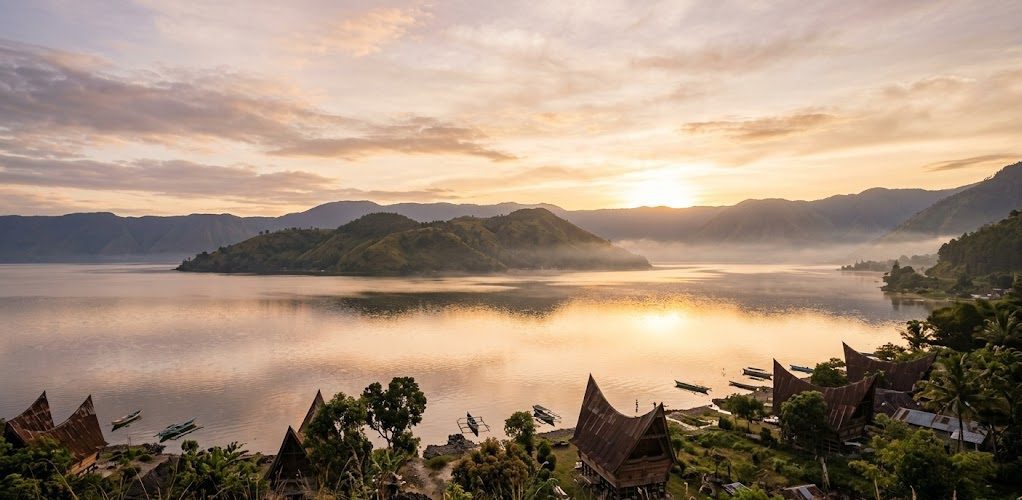
Lake Toba is one of Southeast Asia’s most extraordinary landscapes.
Created by a supervolcanic eruption around 74,000 years ago, the lake stretches across North Sumatra at immense scale. In the center sits Samosir Island, home to traditional Batak culture, mountain scenery, waterfalls, and lakeside villages.
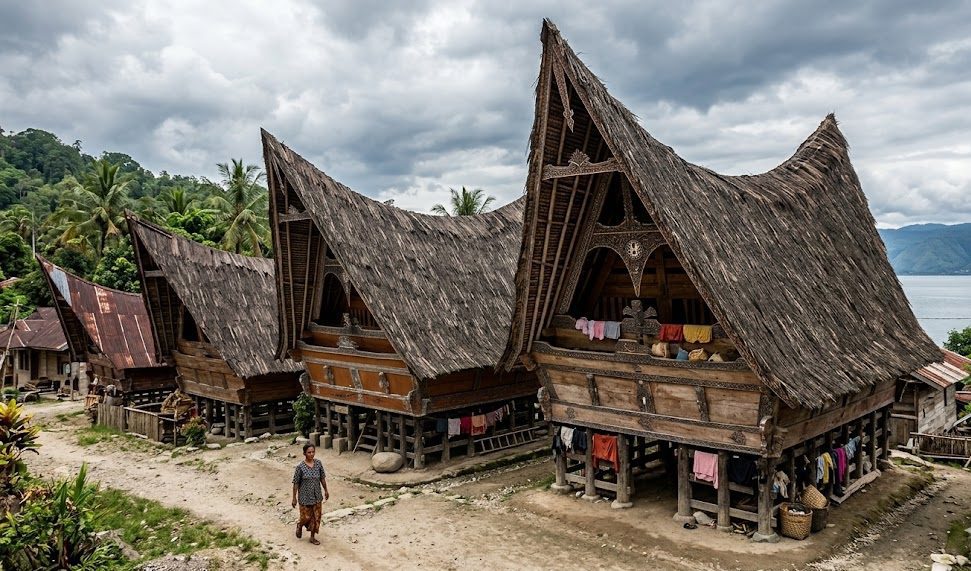
For many travelers, Lake Toba becomes the emotional heart of a Sumatra journey.
The atmosphere is slower, cooler, and more reflective than most tropical destinations in Indonesia. Mist rises from the lake in the early morning while steep volcanic walls surround the water in every direction.
Why European Travelers Love Lake Toba
European travelers often stay longer than planned around Lake Toba because the region offers both relaxation and cultural immersion.
Popular experiences include:
- Exploring traditional Batak villages
- Learning about Batak music and dance
- Visiting ancient stone chairs and ritual sites
- Motorbike rides around Samosir Island
- Swimming in volcanic freshwater
- Watching sunrise above the caldera
- Visiting hidden waterfalls and viewpoints
- Discovering local coffee farms
Unlike Bali’s busy tourism centers, Lake Toba still feels peaceful and authentic.
Best Time To Visit Sumatra
Sumatra can be visited year-round, but weather conditions vary depending on the region and the type of experience travelers are seeking.
Because the island stretches across a large geographical area, surfing seasons, trekking conditions, and rainfall patterns can differ significantly between north and south Sumatra.
Dry Season vs Rainy Season
In general, the driest months across much of Sumatra are between May and September.
These months are often considered ideal for:
- volcano trekking
- wildlife encounters
- overland travel
- island hopping
- photography
The rainy season typically arrives between October and April, although weather patterns can vary depending on location.
Rainfall in Sumatra is usually intense but temporary rather than constant all-day rain.
Best Months for Surfing
The Mentawai Islands and western coastal regions of Sumatra are internationally known for world-class surfing.
The best swell conditions generally occur between:
- April
- May
- June
- July
- August
- September
During these months, experienced surfers can find consistent waves across many reef breaks and remote surf camps.
Bukit Lawang: Orangutans and Rainforest Trekking
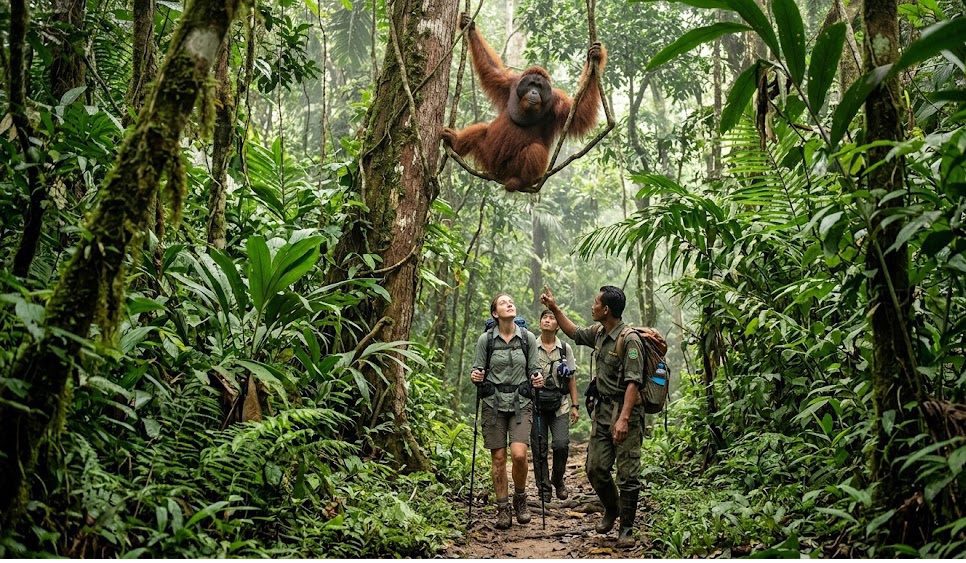
Bukit Lawang sits beside Gunung Leuser National Park, one of the last places on Earth where wild orangutans still survive.
This rainforest ecosystem is among the most important biodiversity regions in Southeast Asia.
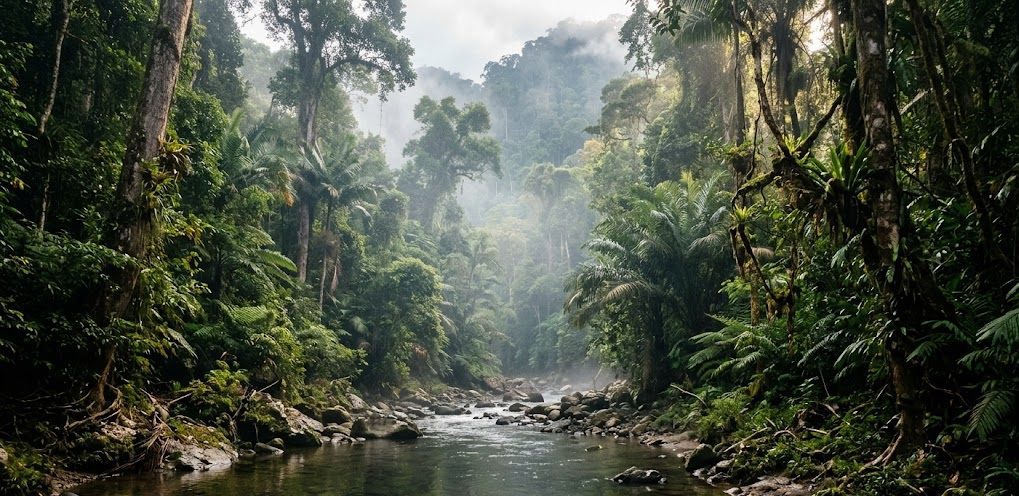
Travelers come here for multi-day jungle trekking experiences where encounters with orangutans, gibbons, hornbills, and tropical wildlife remain possible in natural habitat.
The jungle environment feels ancient.
Towering trees block sunlight, rivers cut through dense forest, and wildlife sounds continue through the night.
What Makes Bukit Lawang Special
Many wildlife destinations globally rely on controlled or semi-artificial encounters. Bukit Lawang remains far more natural.
Treks typically involve:
- Hiking through steep rainforest terrain
- River crossings
- Jungle camping
- Wildlife observation
- Local jungle guides
- River tubing back to the village
Responsible tourism is increasingly important in the area, especially regarding orangutan conservation and habitat protection.
For travelers seeking real rainforest adventure, Bukit Lawang is one of Indonesia’s essential experiences.
West Sumatra and the Minangkabau Highlands
West Sumatra combines dramatic mountain landscapes with one of Indonesia’s most fascinating cultures.
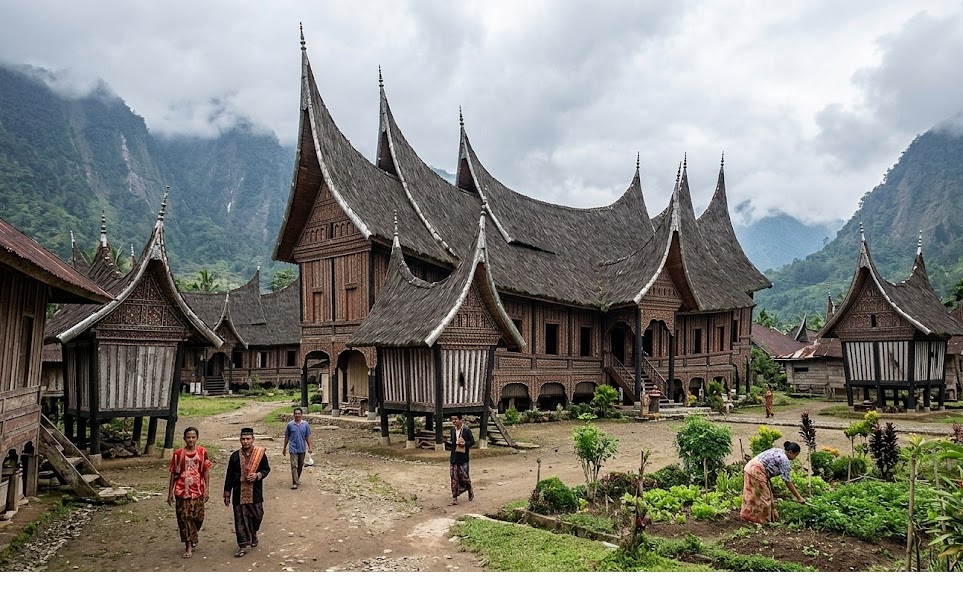
The Minangkabau people are famous for their matrilineal society, distinctive architecture, culinary traditions, and strong cultural identity.
Their traditional houses, known as Rumah Gadang, feature curved buffalo-horn roofs that create one of the most recognizable architectural styles in Southeast Asia.
Places to Explore in West Sumatra
Bukittinggi
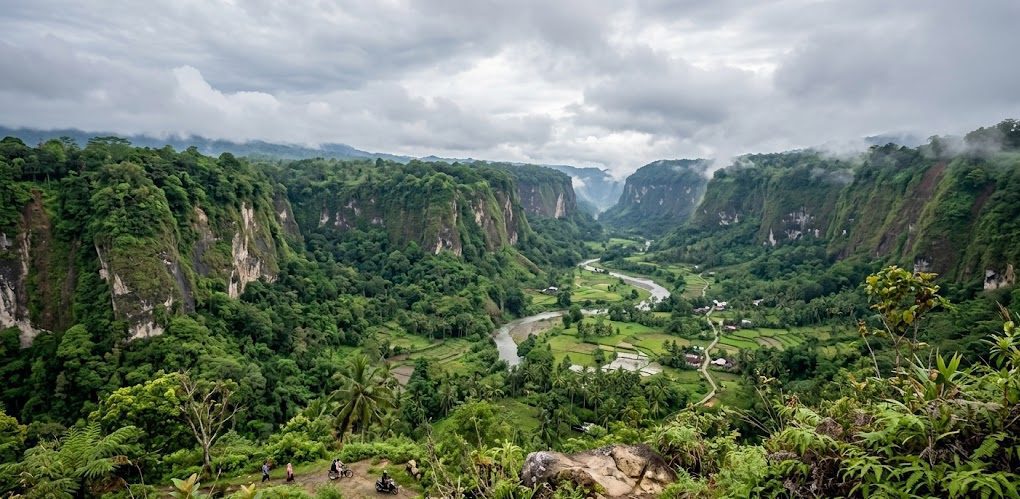
A cool highland city surrounded by volcanoes, canyons, and colonial history.
Highlights include:
- Jam Gadang clock tower
- Japanese wartime tunnels
- Sianok Canyon
- Traditional markets
- Highland viewpoints
Harau Valley
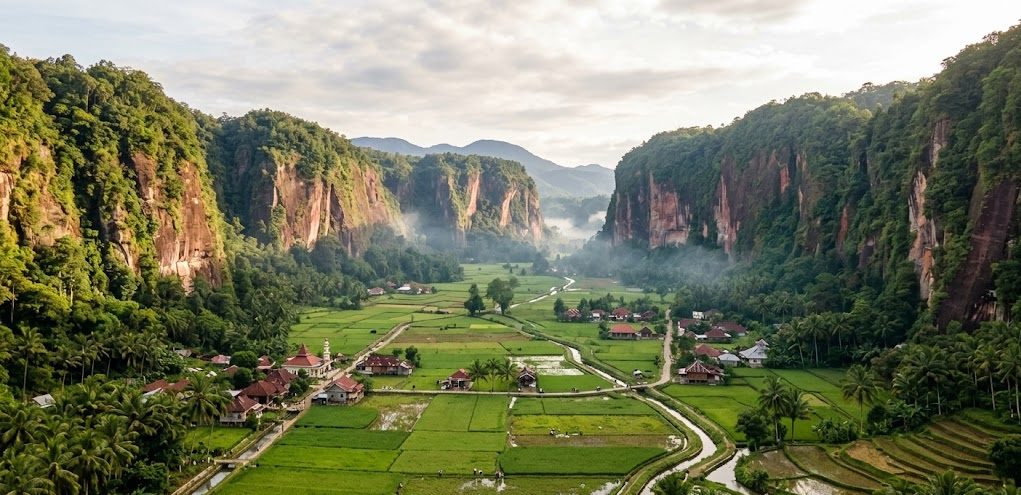
Often compared to landscapes in Southeast Asia rarely seen outside documentaries, Harau Valley features giant vertical cliffs, rice fields, waterfalls, and quiet villages.
The area is especially popular with photographers and slow travelers.
Lake Maninjau
A peaceful volcanic lake surrounded by steep roads and mountain scenery.
Cycling and motorbike trips around the lake offer some of Sumatra’s best highland views.
Minangkabau Food Culture
West Sumatra is also home to Padang cuisine, internationally famous for bold flavors and rich spices.
Popular dishes include:
- Rendang
- Sate Padang
- Gulai
- Dendeng balado
- Sambal varieties
For many European travelers, West Sumatra becomes both a cultural and culinary highlight.
Kerinci Seblat National Park: Sumatra’s Wild Mountain Kingdom
Kerinci Seblat National Park remains one of the least explored major ecosystems in Indonesia.
Covering multiple provinces, the park protects rainforest, volcanic mountains, waterfalls, cloud forests, and endangered wildlife including the critically endangered Sumatran tiger.
Mount Kerinci
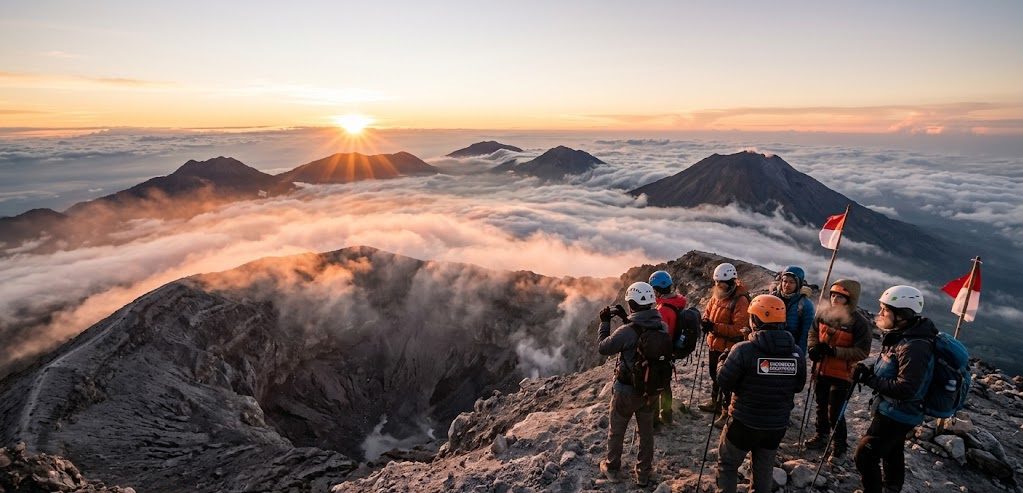
At 3,805 meters, Mount Kerinci is the highest volcano in Indonesia.
The climb attracts experienced trekkers seeking:
- Multi-day volcano trekking
- Remote mountain scenery
- Dense rainforest trails
- Wildlife observation
- Sunrise above the clouds
The surrounding Kerinci region also offers:
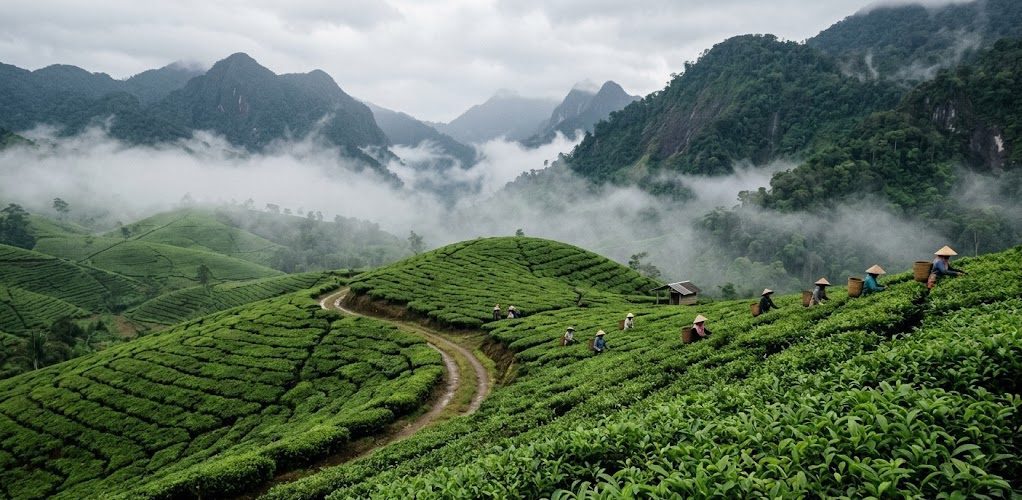
- Tea plantations
- Traditional villages
- Hidden waterfalls
- Hot springs
- Scenic valleys
- Coffee farms
Compared to Indonesia’s more famous volcanoes in Java, Kerinci feels vastly more remote and adventurous.
Aceh: Surfing, Culture, and Untouched Northern Sumatra
Aceh sits at the northern tip of Sumatra and possesses one of the island’s strongest cultural identities.
Historically independent and shaped by Islamic traditions, Aceh offers travelers a very different atmosphere from the rest of Indonesia.
The province also carries deep historical significance following the 2004 Indian Ocean tsunami.
Today, Aceh combines resilience, spirituality, surf culture, marine beauty, and emerging tourism.
Best Experiences in Aceh
Pulau Weh
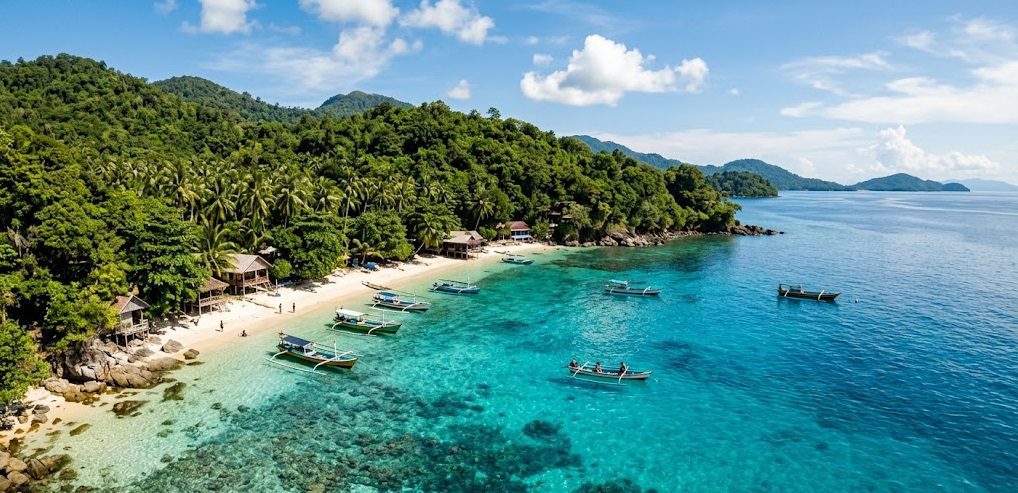
Located near Banda Aceh, Pulau Weh offers:
- Diving
- Snorkeling
- Coral reefs
- Relaxed island life
- Jungle scenery
- Quiet beaches
The island remains far less crowded than many Southeast Asian dive destinations.
Simeulue and Aceh Surfing
Aceh’s offshore islands attract surfers searching for powerful Indian Ocean waves without Bali’s crowds.
Some surf regions remain highly remote, creating a genuine frontier atmosphere.
Cultural Sensitivity in Aceh
Travelers should understand that Aceh follows local Islamic customs more strongly than many other parts of Indonesia.
Respectful clothing and behavior are appreciated, especially in urban and religious areas.
Most visitors find Aceh welcoming, safe, and culturally fascinating.
Nias Island: Megalithic Culture and World-Class Surfing
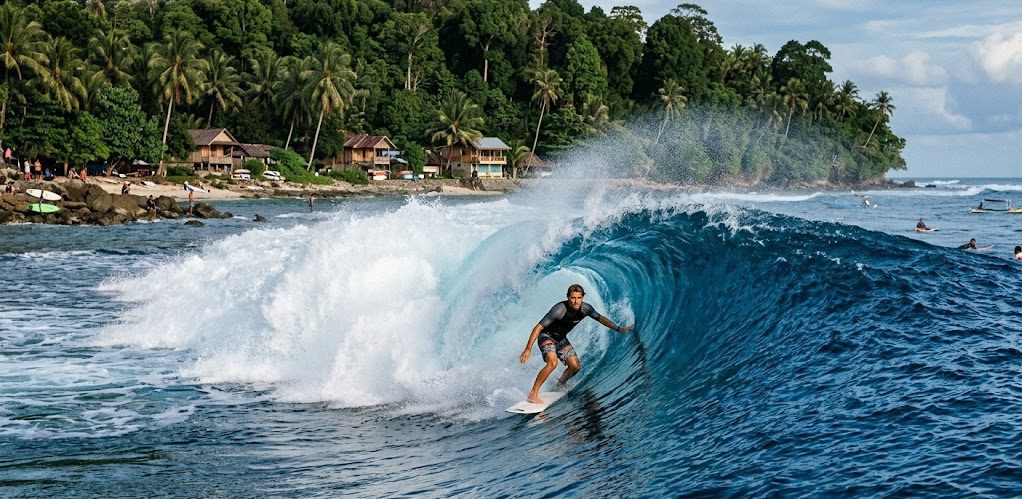
Nias Island feels entirely different from mainland Sumatra.
Known for its megalithic traditions, warrior culture, and powerful surf breaks, the island offers one of Indonesia’s most unique cultural landscapes.
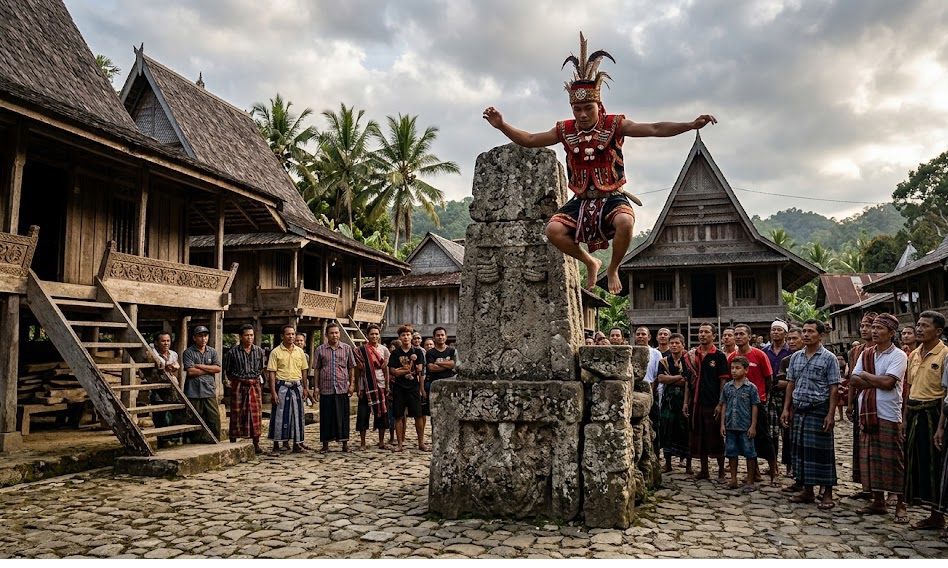
Traditional villages still preserve stone architecture, ceremonial spaces, and jumping rituals once associated with warrior training
- Second-largest island in Indonesia
- Home to rainforests, volcanoes, highland lakes, surf coasts, and indigenous cultures
- Less commercialized than Java or Bali, yet far richer in geographic and cultural diversity
- Ideal for travelers seeking depth, meaning, and exploration beyond mainstream routes
Northern Frontier — Aceh & Sabang
Aceh marks the northern gateway of Indonesia and offers a powerful combination of nature, history, and spiritual depth.
From the iconic northernmost point of Indonesia in Sabang to remote island chains and one of the last intact rainforests on Earth, this region is perfect for travelers looking for something truly untouched.
Highlights:
- Titik Nol Kilometer, Sabang – The northernmost point of Indonesia, surrounded by forest and deep blue seas.
- Pulau Weh & Pulau Rubiah – Crystal-clear waters, world-class snorkeling, and a laid-back island rhythm.
- Pulau Banyak (Aceh Singkil) – A remote archipelago of white-sand islands often compared to a “local Maldives.”
- Leuser Ecosystem – One of the last rainforests on Earth where orangutans, elephants, rhinos, and tigers still coexist.
Aceh is powerful, spiritual, and untamed—a destination for travelers who value meaning over convenience.
Volcanic Highlands — North Sumatra & Lake Toba
North Sumatra is dominated by one of Southeast Asia’s most iconic natural wonders—Lake Toba, the largest volcanic lake in the world.
Beyond its dramatic scenery, this region is also the cultural heartland of the Batak people, offering a unique blend of geology and living traditions.
Highlights:
- Danau Toba – The largest volcanic lake in the world, formed by a super-eruption thousands of years ago.
- Samosir Island – Cultural heartland of the Batak people, with traditional houses, rituals, and lakeside villages.
- Sipiso-piso Waterfall – A towering waterfall plunging toward Lake Toba from the highlands.
- Bukit Holbung – Rolling green hills often described as “Raja Ampat on land.”
This region blends epic geology with a strong living culture, making it one of Sumatra’s most iconic yet still underexplored areas.
West Sumatra — Culture, Canyons & Coastlines
West Sumatra is where dramatic landscapes meet one of Indonesia’s richest cultural traditions—the Minangkabau.
From deep canyons to coastal karst formations, the region offers both scenic beauty and cultural depth.
Highlights:
- Ngarai Sianok – A dramatic canyon cutting through Bukittinggi, best explored at sunrise or from hidden viewpoints.
- Rumah Gadang – The iconic horn-roofed traditional houses of the Minangkabau people.
- Harau Valley (Hidden Sides) – Sheer cliffs, waterfalls, and rice fields often overlooked beyond the main valley.
- Pesisir Selatan & Air Tarusan – Coastal karst formations often referred to as “Raja Ampat Mini.”
West Sumatra is deeply philosophical, matrilineal, and proud—its landscapes as poetic as its people.
Remote Islands & Maritime Gateways — Riau Islands & Bintan
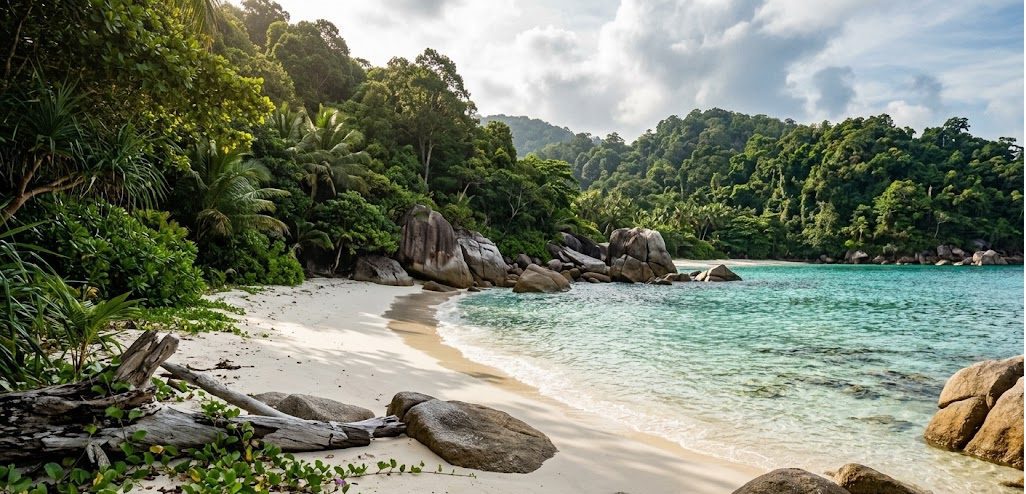
Located close to Singapore, the Riau Islands offer a different side of Sumatra—one shaped by the sea.
While Bintan is known for its resorts, the real charm lies in its hidden beaches, mangroves, and traditional coastal villages.
Highlights:
- Bintan Island – Beyond its resorts lie mangroves, fishing villages, sand dunes, and quiet beaches.
- Tanjung Pinang & Senggarang – Historic Chinese settlements with temples rising directly from the sea.
- Anambas & Natuna Islands – Ultra-remote granite islands, turquoise lagoons, and premium underwater ecosystems.
- Off the western edge of Sumatra, travelers can discover remote island chains such as the Anambas Islands, known for untouched coral reefs and secluded beaches.
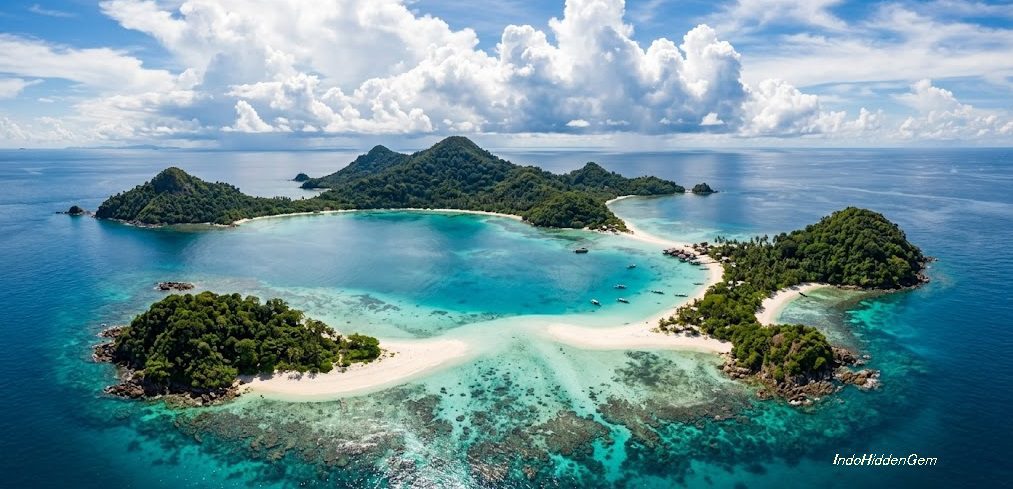
This region blends accessibility with isolation—perfect for uncovering hidden coastal narratives.
Highlands & Ancient Forests — Jambi & Kerinci
For serious nature lovers, Kerinci is one of the most rewarding destinations in Sumatra.
Located within Kerinci Seblat National Park, this region is filled with volcanoes, high-altitude lakes, and untouched rainforest.
Highlights:
- Gunung Kerinci – The highest volcano in Indonesia, with one of the most challenging and rewarding summit trails.
- Danau Gunung Tujuh – The highest lake in Southeast Asia, hidden within a volcanic caldera.
- Danau Kaco – A glowing blue forest lake known for its surreal clarity.
- Kerinci Villages – Cool-climate settlements surrounded by tea fields and cinnamon forests.
This is Sumatra at its most primal—misty, quiet, and powerful.
The Wild West Coast — Bengkulu & Enggano
Bengkulu remains one of Sumatra’s least explored provinces, making it ideal for travelers looking for raw and uncrowded destinations.
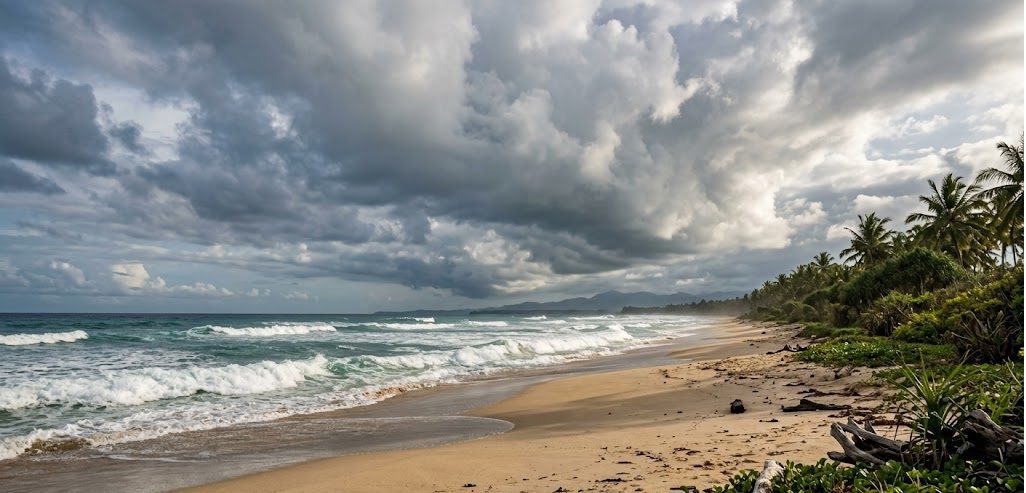
With powerful ocean waves and remote islands, it is especially attractive for surfers and explorers.
Highlights:
- Surfing Waves of Bengkulu – Consistent Indian Ocean swells with minimal crowds.
- Enggano Island – A remote island with unique ecosystems and isolated beaches.
- Bukit Kandis – Massive granite formations rising from the forest.
- Historic Fort Marlborough – A reminder of colonial-era maritime power.
Bengkulu is raw, open, and ideal for adventure-driven exploration.
Southern Heartland — South Sumatra
South Sumatra offers a mix of highland landscapes, ancient history, and river-based culture centered around Palembang.
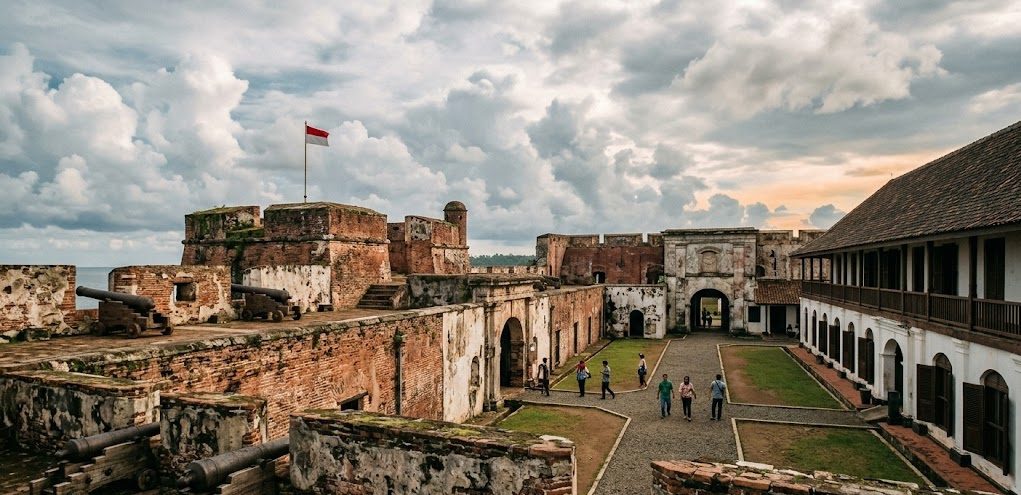
Although often overlooked, this region holds significant historical and natural value.
Highlights:
- Pagar Alam & Gunung Dempo – Tea plantations, waterfalls, and sunrise above the clouds.
- Lahat Megaliths – One of Southeast Asia’s largest collections of prehistoric stone statues.
- Musi River – Lifeline of Palembang, with hidden river villages and wetlands.
- Prabumulih & Muara Enim Highlands – Underrated landscapes and geothermal terrain.
This region connects Sumatra’s ancient past with its living river culture.
Island of Stone & Surf — Nias
Nias is one of Indonesia’s most unique cultural islands, known for its strong traditions and world-class surf breaks.
Located off Sumatra’s west coast, it offers a completely different travel experience.
Highlights:
- Nias Tribal Heritage – Stone-jumping rituals, warrior traditions, and ancestral villages.
- Sorake & Lagundri Bay – World-class surf breaks attracting surfers from around the globe.
- Megalithic Villages – Massive stone structures built centuries ago, still central to daily life.
Nias is one of Indonesia’s strongest examples of cultural continuity.
Suggested Sumatra Itineraries
Because Sumatra is extremely diverse, the ideal itinerary depends on travel style, interests, and available time.
Some travelers focus on surfing and islands, while others prioritize wildlife, volcanoes, culture, or remote overland adventures.
2-Week Sumatra Route
A balanced two-week itinerary may include:
- Medan
- Bukit Lawang
- Lake Toba
- Berastagi
- Padang
This route combines:
- orangutan trekking
- Batak culture
- volcano landscapes
- local food experiences
while remaining realistic for first-time visitors.
3-Week Adventure Route
Travelers with more time can explore deeper regions of the island.
A longer adventure route may include:
- Banda Aceh
- Weh Island
- Bukit Lawang
- Lake Toba
- Kerinci
- Padang
- Mentawai Islands
This itinerary offers a combination of:
- diving
- surfing
- volcano trekking
- jungle experiences
- remote island travel
Luxury Nature Escape
Luxury travelers increasingly visit Sumatra for:
- eco-lodges
- private island resorts
- rainforest retreats
- surf charters
- cultural experiences
Higher-end journeys often focus on fewer destinations with longer stays and private transportation.
Is Sumatra Safe For Foreign Travelers?
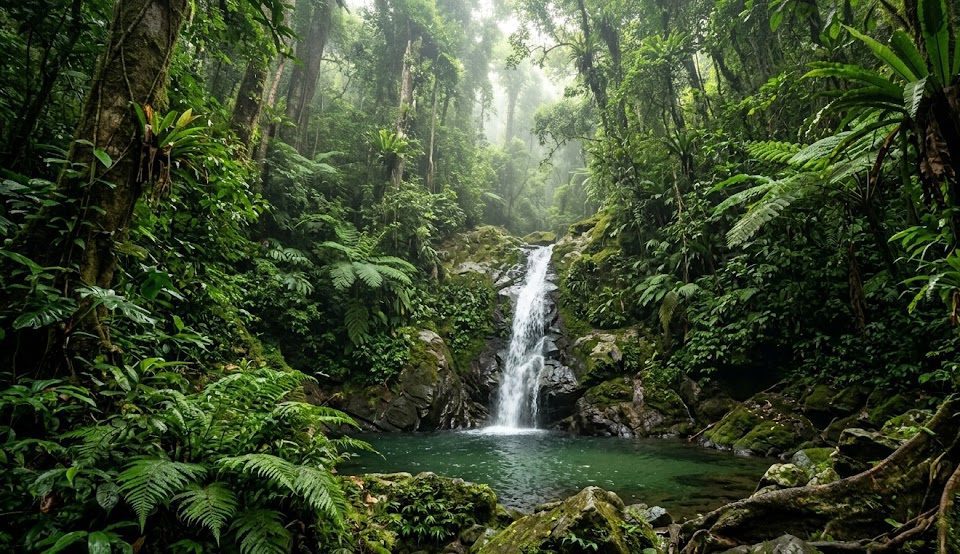
Sumatra is generally safe for international travelers, including solo travelers, couples, photographers, and backpackers.
However, traveling in Sumatra requires more flexibility and preparation compared to highly developed tourist destinations.
Solo Travel Safety
Solo travel is common in parts of Sumatra, especially among backpackers and surfers.
Local communities are often welcoming and curious toward foreign visitors.
Basic travel awareness remains important, particularly when:
- traveling overnight
- using unfamiliar transportation
- visiting remote regions
Road and Transport Conditions
Road conditions vary widely across the island.
Mountain roads can be narrow, winding, and slower than expected. Travelers should avoid overly tight schedules and prepare for occasional delays.
Night travel on remote roads is generally less comfortable than daytime travel.
Cultural Awareness
Sumatra is culturally diverse and includes both conservative and relaxed regions.
Travelers should dress respectfully in rural villages and religious areas, particularly in Aceh and smaller communities.
Respectful behavior usually leads to positive interactions with local residents.
Jungle and Volcano Safety
Trekkers should always use experienced local guides for:
- rainforest expeditions
- volcano climbs
- remote jungle routes
Weather conditions can change quickly, especially in mountainous areas.
Proper preparation is important for longer outdoor activities.
Surf and Jungle Combination Route
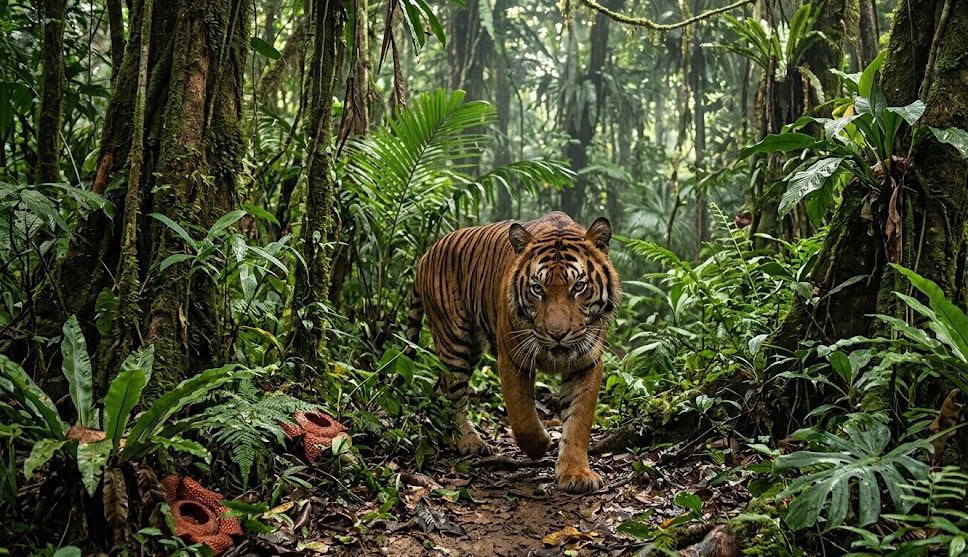
One of Sumatra’s most unique travel combinations is pairing remote surfing with rainforest exploration.
Many travelers combine:
- Mentawai surfing
with: - orangutan trekking in northern Sumatra
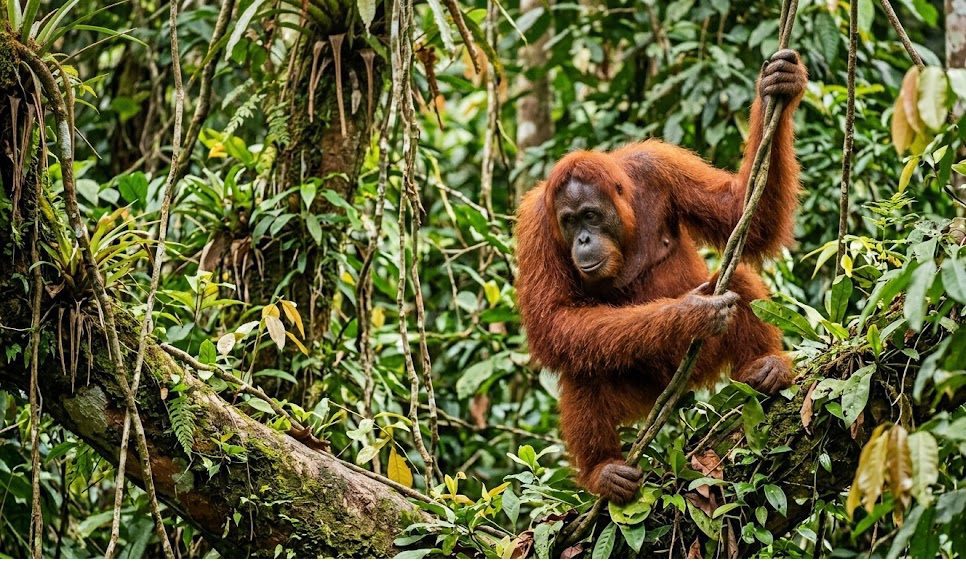
creating a journey that feels very different from conventional Southeast Asia tourism routes.
Internet, ATM, and SIM Card Guide in Sumatra
Modern travel infrastructure exists in most major cities and tourist areas, although connectivity can become limited in remote islands and mountain regions.
Mobile Internet and SIM Cards
International travelers can easily purchase Indonesian SIM cards upon arrival in:
- Medan
- Jakarta
- Padang
- Bali
Popular providers include:
- Telkomsel
- XL
- Indosat
Telkomsel generally offers the strongest coverage across remote regions of Sumatra.
ATM Availability
ATMs are widely available in cities and larger towns but may be limited in remote islands or rural areas.
Travelers visiting:
- Mentawai
- Banyak Islands
- jungle villages
- mountain regions
should always carry sufficient cash.
Many small guesthouses and local restaurants still operate primarily using cash payments.
Wi-Fi Expectations
Wi-Fi quality varies considerably across Sumatra.
Hotels and cafés in larger cities usually provide stable internet, while remote eco-lodges and island accommodations may have slower or limited connections.
For many travelers, this digital disconnection becomes part of the appeal of exploring Sumatra.
Frequently Asked Questions About Traveling in Sumatra
Is Sumatra Worth Visiting?
Yes. Sumatra is one of Southeast Asia’s most rewarding destinations for travelers seeking nature, culture, adventure, and experiences beyond mass tourism.
How Many Days Do You Need in Sumatra?
Most travelers need at least two to three weeks to experience multiple regions comfortably.
Is Sumatra Better Than Bali?
Sumatra and Bali offer completely different experiences.
Bali is more developed and tourism-focused, while Sumatra feels wilder, larger, and more adventurous.
Can You See Orangutans in Sumatra?
Yes. Northern Sumatra is one of the few places in the world where travelers can still see wild orangutans in their natural rainforest habitat.
Is Sumatra Expensive?
Sumatra is generally more affordable than Bali, especially for transportation, local food, and guesthouses.
Luxury experiences are also available in selected regions.
Can Foreign Travelers Explore Sumatra Independently?
Yes. Independent travel is possible across much of Sumatra, although journeys often require flexibility and patience.
Many travelers combine independent travel with occasional local guides or drivers.
What Is the Best Place in Sumatra?
The answer depends on travel style.
Popular highlights include:
- Lake Toba
- Mentawai Islands
- Bukit Lawang
- Kerinci
- Weh Island
- Nias
- Gunung Leuser National Park
Is Sumatra Good for Adventure Travel?
Absolutely. Sumatra is one of Indonesia’s best destinations for:
- surfing
- volcano trekking
- wildlife encounters
- jungle expeditions
- remote island travel
- overland adventures
Why Sumatra Matters for IndoHiddenGem
Sumatra is not built for shortcuts. It rewards patience, curiosity, and respect—offering a depth of experience rarely found in modern travel.
From Lake Toba’s volcanic legacy to Nias’ living traditions, from Bintan’s quiet mangroves to Bengkulu’s surf coast, every corner of Sumatra reveals something raw, authentic, and deeply connected to Indonesia’s natural and cultural roots.
This is not a destination for quick trips or checklist tourism. It is a place for exploration, where landscapes, traditions, and communities unfold slowly for those willing to go beyond the usual routes.
From towering volcanoes and ancient cultures to remote islands and untouched rainforests, Sumatra offers journeys that cannot be replicated elsewhere in Indonesia.
This is not a checklist destination.
This is a journey into the true depth of Indonesia.
Uncover Sumatra.
Because the greatest stories are found where tourism has not yet finished the sentence.