Ultimate Travel Guide To Central Java, Indonesia
Table of Contents
-
Karimun Jawa Travel Guide
INTRODUCTION
There is a version of Indonesia that lives only in dreams. It is painted in the green of a thousand rice terraces, shrouded in mist that rolls off active volcanoes, and whispered in the slow, melodic language of the Javanese heartland. This is Central Java (Jawa Tengah)—a province that feels less like a destination and more like a long, immersive journey into the soul of the archipelago.
While Bali dances for the cameras, Central Java meditates in the shadows of ancient temples older than Angkor Wat. Here, the skyline is defined not by hotels but by the jagged peaks of Mount Merapi and Mount Lawu, and the coastline is a rugged, untamed stretch of hidden coves and black-sand beaches. For the European and US traveler seeking something deeper than a beach party, Central Java offers a profound narrative: a place where Hindu-Buddhist kingdoms, Islamic sultanates, and Javanese mysticism still breathe.
From the silent, colossal stones of Borobudur at sunrise to the slick, dangerous slopes of the blue-fire volcano Kawah Ijen on its eastern border, this province is a contradiction of serenity and power. It is a land for backpackers on a shoestring, luxury explorers hunting cultural richness, and adventure travelers who want to stand on the edge of a crater. Forget the generic tourist trail. This is the real Java.
Why Visit Central Java
To ask “why visit Central Java” is to ask why one reads poetry instead of a manual. The answer lies in the texture. Unlike the frenetic energy of Jakarta or the manicured resorts of Bali, Central Java operates on a different frequency—the gamelan frequency, where time is measured in rhythmic, metallic chimes.
1. The Cradle of Indonesian Civilization
You cannot understand Indonesia without understanding Java, and you cannot understand Java without standing in the Kedu Plain. This fertile valley, cradled by volcanoes, is the epicenter of the country’s ancient history. Here, the Sailendra and Mataram kingdoms built Borobudur (a Buddhist monument with 504 Buddha statues) and Prambanan (the sharpest Hindu temples on earth). It is a UNESCO-listed wonderland that rivals any archaeological site in Peru or Cambodia.
2. Volcano Trekking Without the Crowds (Yet)
While the world flocks to Rinjani or Bromo, Central Java offers Mount Merapi (the most active volcano in Indonesia) and the eerie landscapes of Mount Merbabu. For a true deep cut, the Dieng Plateau offers ancient Hindu temples sitting at 2,000 meters, surrounded by colored lakes and sulphur vents. You can hike here with local guides, often being the only foreigner on the trail.
3. Authentic Cultural Immersion
Central Java is the heart of Halus (refined Javanese culture). This is where the kris dagger is forged, where wayang kulit (shadow puppetry) tells epic stories all night, and where the batik fabric is hand-stamped with wax. In cities like Surakarta (Solo) and Yogyakarta, the sultans still live in palaces, maintaining traditions that have vanished elsewhere in Asia.
4. The Food
Javanese cuisine is a revelation for the international palate. It is sweeter, richer, and more coconut-infused than its spicy Padang counterpart. You haven’t lived until you’ve slurped Mie Ongklok in Wonosobo or destroyed a plate of Gudeg (jackfruit stew) in Yogyakarta.
5. The Difference from Bali
Let’s be blunt: Central Java is not Bali. There is no Kuta, no beach clubs, no overpriced smoothie bowls on every corner—unless you look hard. This is a place where tourism is secondary to daily Javanese life. You will hear the adzan (call to prayer) echo off ancient temple walls. You will see farmers walking water buffalo through traffic. It is harder to travel here, but the reward is authenticity.
Best Places To Visit In Central Java
This section is your roadmap. Central Java is large, stretching from the north coast (Pantura) to the southern Indian Ocean. These are the absolute must-see destinations, structured for the long-term traveler.
Yogyakarta (The Soul of Java)
Overview: Technically a Special Region, Yogyakarta (Jogja) is the cultural capital of Java and the gateway to both Borobudur and Prambanan.
Why visit: The student vibe is electric. It’s chaotic, artistic, and cheap.
Best activities: Explore the Kraton (Sultan’s Palace), wander the underground Jogja Backyard, shop for batik in Beringharjo Market, and climb the Taman Sari water castle.
Best time to visit: May to September (dry season). The rainy season (Nov–March) makes the temples misty but beautiful.
Accessibility: Direct flights from Kuala Lumpur, Singapore, and Jakarta. Excellent train connections.
Atmosphere: Bohemian, buzzing, spiritual.
Borobudur Temple (The Silent Giant)
Overview: The world’s largest Buddhist temple, built in the 9th century. It is a 10-level mandala representing the cosmos.
Why visit: Watching sunrise from the top, with Mount Merapi in the background and mist in the jungle, is a non-negotiable bucket list moment.
Best activities: Sunrise tour (book official ticket weeks in advance), walking the Jalan Setapak around the compound, visiting the nearby Mendut and Pawon temples.
Best time to visit: 5:30 AM for sunrise. The dry season is essential; rain ruins the sunrise.
Accessibility: 1 hour by car from Yogyakarta. Hire a private driver or join a sunrise tour.
Atmosphere: Sacred, quiet, monumental.
Prambanan Temple
Overview: A collection of sharp, towering Hindu temples dedicated to Shiva, Brahma, and Vishnu.
Why visit: The architecture is completely different from Borobudur—slender, reaching 47 meters high. The relief carving of the Ramayana ballet is stunning.
Best activities: Explore the main compound, watch the Ramayana Ballet performance at the open-air theatre (full moon nights are magical), and visit the nearby Candi Sewu (Thousand Temples).
Best time to visit: Late afternoon for golden hour lighting.
Atmosphere: Dramatic, archaeological, powerful.
Dieng Plateau
Overview: A volcanic highland at 2,000 meters above sea level. It is freezing cold (by Indonesian standards) and otherworldly.
Why visit: This is a hidden gem for international travelers. You get ancient temples, turquoise Telaga Warna (Color Lake), Sikidang Crater (boiling mud), and the tallest viewpoint in Java.
Best activities: Hike to Bukit Sikunir for sunrise (“The Golden Sunrise”), visit the Arjuna Temple complex, and see the natural “Devil’s Face” rock formation.
Best time to visit: June to August (peak dry season) for clear skies. Wear a jacket!
Accessibility: 3 hours from Yogyakarta via Wonosobo. Roads are winding but scenic.
Atmosphere: Mystical, foggy, adventure-ready.
Karimunjawa Archipelago
Overview: A national park of 27 islands off the north coast of Java. Think “Bali 30 years ago.”
Why visit: White sand beaches, crystal clear water, shark and turtle sanctuaries, and no crowds. European travelers love this for low-cost island hopping.
Best activities: Snorkeling at Menjangan Kecil, island hopping to Cemara Kecil, diving with reef sharks, and relaxing on Sunset Beach.
Best time to visit: April to October. Avoid the rainy season (Dec–March) as ferries cancel.
Accessibility: Ferry from Jepara (4-5 hours) or fast boat from Semarang. It takes time, which keeps mass tourism away.
Atmosphere: Laid-back, remote, Robinson Crusoe-style.
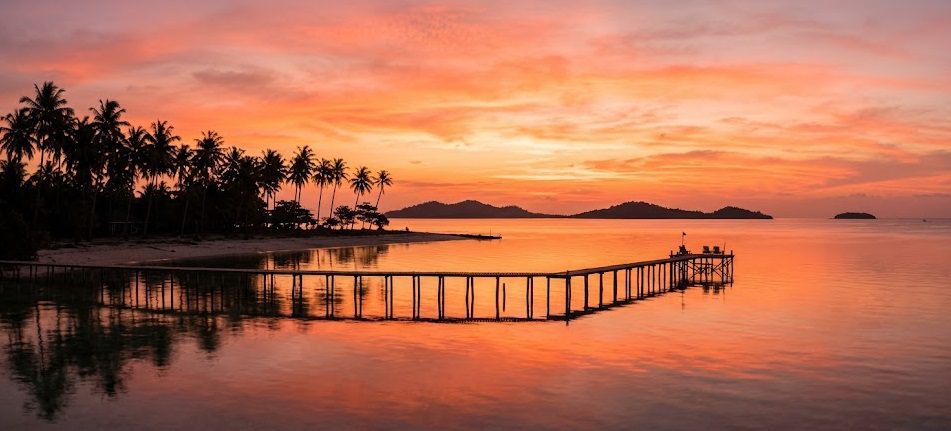
Karimunjawa offers crystal-clear waters, snorkeling spots, white sand beaches, and a slower island atmosphere compared to Bali.
Mount Merapi (The Fire Mountain)
Overview: Indonesia’s most active volcano. It erupts frequently, sending pyroclastic flows down its slopes.
Why visit: For the adrenaline. You can take a Jeep tour at dawn to see the “Alien” landscape of the 2010 eruption zone or hike to the summit (dangerous, only with certified guides).
Best activities: Jeep tour to Bunker Kaliadem (a bunker buried by an eruption), sunrise viewing from Kaliurang, or the “Merapi Summit” climb.
Best time to visit: April to October. Check volcanic activity alerts daily.
Atmosphere: Raw, dangerous, humbling.
Solo (Surakarta)
Overview: The more traditional, Javanese-purist cousin of Yogyakarta.
Why visit: For authentic Javanese court culture without the tourist haggling. It is quieter, cleaner, and feels more “real.”
Best activities: Visit Mangkunegaran Palace, shop for antique batik at Pasar Klewer, eat the legendary Timlo Solo soup, and watch a wayang orang (human puppet dance).
Best time to visit: Any dry season month.
Atmosphere: Aristocratic, calm, deeply Javanese.
Semarang (Old City & Chinatown)
Overview: The capital of Central Java, a humid port city mixing Dutch colonial architecture with Chinese heritage.
Why visit: For the Lawang Sewu (Thousand Doors building, a haunted Dutch relic), the Sam Poo Kong temple, and the unique Lumpia (spring rolls).
Best activities: Walking the Kota Lama (Old Town), climbing the Gereja Blenduk church dome, and eating Bandeng Juwana (milkfish).
Best time to visit: Dry season. Semarang is very hot and humid.
Atmosphere: Colonial, gritty, historical.
Hidden Gems In Central Java
These are the places your standard tour agent won’t mention. For the US and European traveler who has “done” Southeast Asia, these are your secret weapons.
1. Pantai Timang (Timang Beach)
South of Yogyakarta, this is a lobster fishermen’s island. To get there, you ride a gondola (a wooden cart pulled by a diesel engine on a single steel cable) over crashing waves. It is terrifying and brilliant. No safety rails. Just pure adrenaline.
2. Gedong Songo Temple
Located on Mount Ungaran near Semarang. It is a complex of five small 9th-century Hindu temples surrounded by active sulphur vents and mossy trees. You often have the whole place to yourself. The trek to the top reveals volcanoes in the distance.
3. Jomblang Cave (Goa Jomblang)
A vertical cave where you rappel 60 meters down into a subterranean “heaven’s light.” At around 10 AM, a beam of sunlight pierces through a collapsed roof, illuminating the ancient forest floor 50 meters below. It requires a tour, but it feels like Jurassic Park.
4. Nglambor Beach
A hidden bay with a natural jacuzzi formed by volcanic rocks. The water is calm, and there is a reef right off the shore. It’s free, uncrowded, and locals will sell you grilled fish on the sand.
5. The Losari Coffee Plantation
Not a tourist coffee plantation. This is a working Javanese kopi farm on the slopes of Mount Sumbing. You can stay in a homestay, roast your own beans over a wood fire and drink coffee while watching the sunrise hit the volcano.
Best Things To Do In Central Java
Volcano Trekking
Climb Mount Merapi (active), Mount Merbabu (dormant, grassy slopes), or Mount Sindoro. Hire a local guide from basecamps like Selo or Kaliurang. Expect a 3 AM start to catch sunrise.
Caving (Speleology)
Beyond Jomblang, try Goa Kiskenda or Goa Jatijajar. The limestone caves of Gunung Kidul are full of stalactites, underground rivers, and bats.
Batik Making Workshop
In Yogyakarta or Solo, spend three hours with a batik tulis master. You will use a canting (wax pen) to draw patterns on cloth. It is meditative and difficult.
Surfing the South Coast
While not as famous as Bali, the Southern Ocean hits the south coast of Java hard. Pantai Baron, Pantai Sundak, and Watu Ulo have consistent left breaks for intermediate surfers.
Cycling Through Rice Fields
Rent a mountain bike in the Kaliurang area. Cycle through villages, past cow sheds, and through volcanic sand paths. No tour needed; just a map and curiosity.
Eating at a Warung Tegal
For the budget traveler, eat like a local. Warung Tegal (warteg) serve 15 small glass displays of curry, fried tempeh, chicken, and veggies. Pick what you want. A full meal costs $1.50 USD.
Local Culture And Traditions
Central Java is a masterpiece of syncretism. It is nominally Islamic, but underneath lies Hinduism, Buddhism, and animist Kejawen (Javanese mysticism).
Ethnic Groups: The dominant Javanese, with small pockets of Sundanese and Chinese-Indonesians in the cities.
Traditional Villages: Visit Kampung Batik Kauman in Solo or Kampung Code in Yogyakarta for community life.
Ceremonies: Sekaten (Muhammad’s birthday celebrated with a month-long fair and sacred gamelan music) and Nyadran (ancestor grave cleaning).
Architecture: Joglo houses with high peaked roofs, representing the mountain/home of the gods.
Music & Dance: Gamelan (metallophone orchestra) and the Bedhaya (sacred court dance of nine virgins).
Cultural Etiquette: Do not point your feet at anyone. Use your right hand for giving/receiving money. When passing in front of an elder, bow slightly. Remove shoes before entering any house or mosque. Be polite—Javanese culture prizes kesopanan (politeness) over honesty.
Food And Local Cuisine
Forget Nasi Goreng. Central Java has its own galaxy of flavors.
- Gudeg (Yogyakarta): Jackfruit stewed in coconut milk and palm sugar, served with chicken, egg, and krecek (buffalo skin crackers). Sweet, savory, brown.
- Timlo Solo (Solo): A clear chicken broth soup with egg dumplings, liver, and sausage. Perfect hangover food.
- Soto Kudus (Kudus): Yellow turmeric chicken soup with rice cakes.
- Mie Ongklok (Wonosobo): Noodles boiled in ongklok (bamboo tube) water, served with a thick starchy sauce, cabbage, and satay.
- Wedang Uwuh (Yogyakarta): A “rubbish drink” (because it looks like garbage). A hot ginger-based herbal infusion with cinnamon, nutmeg, and cloves. Amazing for cold Dieng nights.
- Lumpia Semarang (Semarang): Fried spring rolls filled with bamboo shoots, egg, and shrimp, eaten with sweet black sauce.
- Swikee (Purwodadi): Frog legs cooked in tauco (fermented soy bean sauce). A delicacy for the adventurous.
Coffee Culture: Java is where the word “coffee” comes from. Try Kopi Joss (Yogyakarta)—coffee with a piece of hot burning charcoal dropped inside. It gives a smoky, earthy flavor.
Best Time To Visit Central Java
| Month | Season | Surf | Volcano Trekking | Temple Visits | Travel Cost |
|---|---|---|---|---|---|
| May–September | Dry | Best | Excellent | Excellent | High (peak) |
| October | Transition | Good | Good | Good | Medium |
| November–March | Wet | Poor (rough sea) | Dangerous (slippery) | Poor (cloudy) | Low |
Festival Periods:
- April: Borobudur Poetry & Performance Festival
- July: Solo Batik Carnival
- August: Yogyakarta Art Festival and Independence Day (lots of local games)
- October: Semarang Night Carnival
Hiking Conditions: Avoid Merapi and Merbabu during high wind/rain (Dec-Feb). The best windows are July and August, but book guides in advance.
How To Get To Central Java
International Access: The main international gateway is Yogyakarta International Airport (YIA) . There are direct flights from Kuala Lumpur (AirAsia) and Singapore (Garuda/Scoot). Semarang (SRG) also has international flights from Kuala Lumpur.
Domestic Flights: Hundreds of daily flights from Jakarta (CGK) to Yogyakarta (1 hour, $40-60 USD) and Semarang. Also direct from Bali (DPS) to Yogyakarta (1.5 hours, $70 USD).
Trains (The Best Way): The Argo class trains from Jakarta (Gambir) to Yogyakarta/Tugu take 7 hours and are comfortable, safe, and scenic ($15-$35 USD). Book via Access by KAI app. This is highly recommended for European travelers who love rail.
Ferries: To reach Karimunjawa, take a ferry from Jepara port. Ferries leave early morning. Book tickets a day in advance.
Transportation Challenges: Do not underestimate traffic in Yogyakarta and Semarang. It is gridlock. Always add 1 extra hour to any long-distance drive within the city limits.
Transportation Inside Central Java
- Renting a Scooter: The king of transport. You need an International Driving Permit (IDP) with a motorcycle endorsement. Police checkpoints are real. Rent from RentalSS or local shops ($5-7 USD/day). Wear a helmet.
- Hiring a Private Driver: For groups of 2-4, this is better. Expect $40-60 USD for a full day (10 hours) including petrol. Your hotel can arrange it.
- Ride-hailing Apps: Gojek and Grab work everywhere. Use GoCar for longer trips (e.g., Jogja to Borobudur costs ~$12 USD).
- Local Buses: TransJogja and Trans Semarang are BRT systems. Cheap ($0.30 USD) but slow and confusing for foreigners.
- Trains (Inter-city): Use Eksekutif (Executive) class for AC, big seats, and included snacks. Economy is for locals only (very packed, no AC).
- Safety: At night, avoid driving on the south coast roads (potholes, no lights). Stick to the toll roads or the northern coastal route (Pantura).
Travel Costs And Budget Tips
All prices in USD. 1 USD = ~15,000 IDR.
Backpacker Budget ($25-35/day)
- Accommodation: Hostel dorm or homestay ($8-12). Use Hostelworld or Agoda.
- Food: 3x meals at warung ($5-7).
- Transport: Local bus + Gojek ($3-5).
- Activities: Hiking a mountain ($10-15 guide fee split with others).
Mid-Range Budget ($50-80/day)
- Accommodation: 3-star hotel or boutique guesthouse ($25-40). Includes AC and breakfast.
- Food: Mixed warung and local restaurants ($10-15).
- Transport: Private driver for day trips ($40 split between 2-3 people).
- Activities: Borobudur sunrise tour ($35) or cave rappelling ($45).
Luxury Budget ($150+/day)
- Accommodation: Phoenix Hotel Yogyakarta, Plataran Borobudur ($100-250).
- Food: Fine dining Javanese rijsttafel ($25-40 per person).
- Transport: Private car + guide ($60-80/day).
- Activities: Helicopter over Borobudur, private batik masterclass.
Money Saving Tip: Use ATM BNI or Mandiri to avoid high fees. Always carry cash (IDR) in small denominations (2,000, 5,000, 10,000) for street vendors and warung—many do not accept cards.
Where To Stay In Central Java
Backpacker Hostels
- Yogyakarta: Bedhots Hostel (social, clean, $8/night)
- Solo: Nostalgia Backpackers (quiet, homey, $7)
- Karimunjawa: Blue Coral Homestay (beachfront, $10)
Eco-Lodges & Glamping
- Dieng Plateau: Arjuna Luxury Camp (heated blanket tents, $45)
- Near Borobudur: Rajasa Hotel (basic but garden view, $25)
- Mount Merbabu: The Elixir (eco-lodge with volcano view, $60)
Luxury Resorts & Heritage Hotels
- Yogyakarta: The Phoenix Hotel (colonial 5-star, $120)
- Borobudur: Plataran Heritage Borobudur (unobstructed temple view, $300+)
- Semarang: Hotel Ciputra (city views, $70)
Suggested Itineraries
5 Days – The Cultural Immersion
- Day 1: Arrive Yogyakarta. Evening walk through Malioboro street. Stay in Prawirotaman.
- Day 2: Sunrise at Borobudur (book official ticket). Afternoon at Mendut temple. Night: Ramayana ballet at Prambanan.
- Day 3: Morning cave tubing at Goa Pindul. Afternoon batik workshop in Kotagede.
- Day 4: Day trip to Timang Beach gondola. Evening: Gudeg dinner at Yu Djum.
- Day 5: Train to Solo. Visit Mangkunegaran Palace. Fly out from Solo (SOC) airport.
7 Days – Volcanoes & Hidden Gems
- Day 1-2: Yogyakarta (temples & culture).
- Day 3: Drive to Wonosobo (3 hours). Sleep in Dieng.
- Day 4: 3 AM hike to Bukit Sikunir sunrise. Visit Sikidang crater & Telaga Warna. Drive to Semarang (3 hours).
- Day 5: Explore Semarang Old City & Lawang Sewu.
- Day 6: Ferry to Karimunjawa (4 hours). Snorkel.
- Day 7: Fly back to Jakarta via Semarang or Ahmad Yani airport.
Adventure Itinerary (10 Days)
- Day 1-2: Rafting on Elo River (near Borobudur).
- Day 3-4: 2D/1N Mount Merapi summit trek (extremely hard, only for fit trekkers).
- Day 5: Recover in Solo (massage & timlo soup).
- Day 6-8: Caving in Gunung Kidul (Jomblang & Grubug cave).
- Day 9-10: Surf the south coast at Pantai Baron. Fly home from Yogyakarta.
Travel Tips For International Travelers
- SIM Cards: Buy Telkomsel (best coverage in mountains/Dieng). Available at airport or Indomaret ($5 for 15GB). eSIM: Use Airalo.
- Internet: WiFi is good in cities (30-50 Mbps). In Dieng or Karimunjawa, expect slow 3G. Download offline Google Maps and Google Translate (Indonesia language pack).
- Safety: Central Java is very safe for tourists. Violent crime is rare. Petty theft (bag snatching on scooters) happens in Yogyakarta at night. Keep your phone hidden on the street.
- Health: Dengue fever is present. Use DEET mosquito spray, especially in the rainy season. Avoid tap water. Use Aqua (sealed bottled water) even for brushing teeth.
- Cash vs Card: Card is accepted in hotels and large restaurants. For warung, markets, transport, homestays: cash only. Withdraw in city ATMs before going to Dieng or Karimunjawa (no reliable ATMs there).
- Responsible Tourism:
- Do not climb on Borobudur’s stupas (it’s banned and damages the stone).
- Do not buy souvenirs made from coral or turtle shells.
- Hire local guides (they need the income).
- Do not give candy to children (creates begging habits). Give school supplies to the village head instead.
- Respect dress code: Cover shoulders and knees when entering temples or mosques.
Frequently Asked Questions About Central Java
1. Is Central Java safe for solo female travelers?
Yes, very safe compared to many destinations. Javanese culture is polite and non-confrontational. However, avoid walking alone on quiet beaches after dark. Use Gojek/GoCar rather than street taxis late at night.
2. What is the best month to visit Central Java?
August. It is the peak of the dry season. Skies are clear for volcanoes and temples. Humidity is lower. Book accommodation 2 months in advance.
3. How many days are enough for Central Java?
8 days minimum. You need: 2 days Yogyakarta, 1 day Borobudur/Prambanan, 2 days Dieng, 1 day Solo, plus travel time. For 14 days, add Karimunjawa (3 days) and a volcano trek.
4. Is it expensive?
No. Central Java is cheaper than Bali by 40-60%. A comfortable mid-range budget ($50/day) gets you a private room, great food, and daily driver tours.
5. Can foreigners travel independently without a tour?
Yes, absolutely. Unlike North Sumatra (Lake Toba area), Central Java has excellent infrastructure, English signs, and ride-hailing apps. You do not need a guide unless you are climbing volcanoes or caving.
6. Do I need a visa?
US and EU citizens (Schengen) get Visa on Arrival (VoA) for $35 USD for 30 days, extendable once for another 30 days. Check the Indonesian immigration website before travel.
7. Is the tap water drinkable?
No. Never. Drink only bottled or boiled water. Aqua is the local brand.
8. What language do they speak?
Javanese is the local language, but Indonesian (Bahasa Indonesia) is the national language. In tourist areas (Jogja, Borobudur), many speak basic English. Download Google Translate. A smile and “terima kasih” (thank you) goes a long way.
Final Thoughts
Central Java is not a vacation; it is an education. It teaches you patience when the traffic stops. It teaches you humility when you stand beneath a 1,200-year-old Buddha that has watched civilizations crumble. It teaches you awe when you feel the ground rumble from Mount Merapi.
For the European traveler used to efficiency, you will find beautiful chaos. For the US traveler used to space, you will find intimate, crowded humanity. But if you allow it—if you eat the gudeg from a street cart, hike the crater at 4 AM, and let a Javanese farmer smile at you without speaking a word—you will leave with more than photos.
You will leave with a piece of your soul still wandering the Kedu Plain, lost in the mist, looking for the next hidden waterfall.
Pack light. Bring an open mind. And leave your hurry at the airport.