
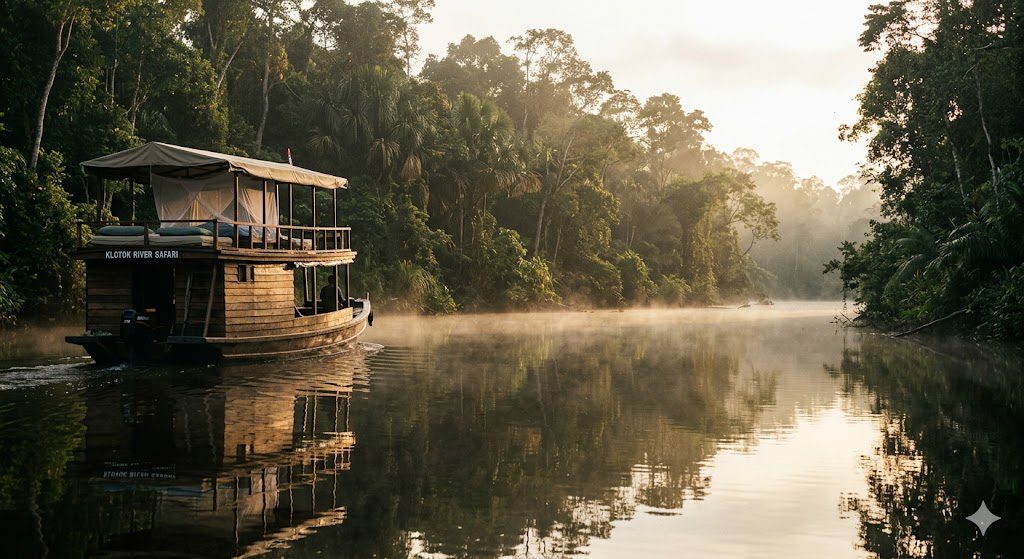
Borneo River Safari Indonesia – The Ultimate Jungle Houseboat Experience
Orangutans, Proboscis Monkeys & Life Deep in the Rainforest
1. Introduction – A Side of Indonesia Most Travelers Never Experience
For most international travelers, Indonesia is synonymous with Bali—sunsets in Canggu, rice terraces in Ubud, and beach clubs overlooking the Indian Ocean. But beyond these well-known destinations lies an entirely different world, one that feels far removed from modern tourism.
That world is Borneo.
Specifically, the Indonesian part of Borneo—known as Kalimantan—offers one of the most immersive wildlife experiences on the planet. This is not a destination built for convenience. It’s not polished, curated, or optimized for mass tourism. Instead, it remains raw, complex, and deeply connected to nature.
And that’s exactly what makes it extraordinary.
A Borneo river safari is unlike anything most travelers from Europe or the United States have ever experienced. There are no safari jeeps, no luxury lodges hidden behind manicured landscapes, and no predictable itineraries designed for comfort. Instead, you travel slowly—by river—through dense tropical rainforest, where wildlife appears not on cue, but on its own terms.
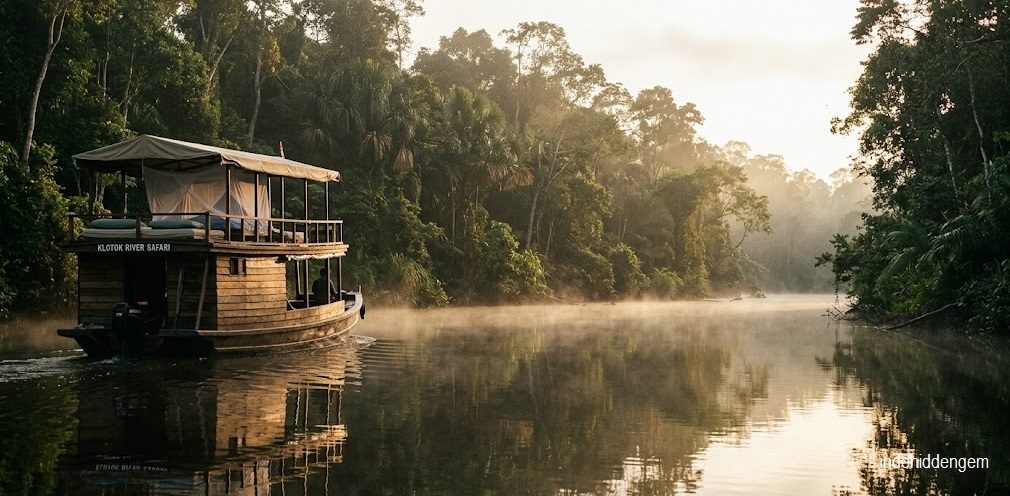
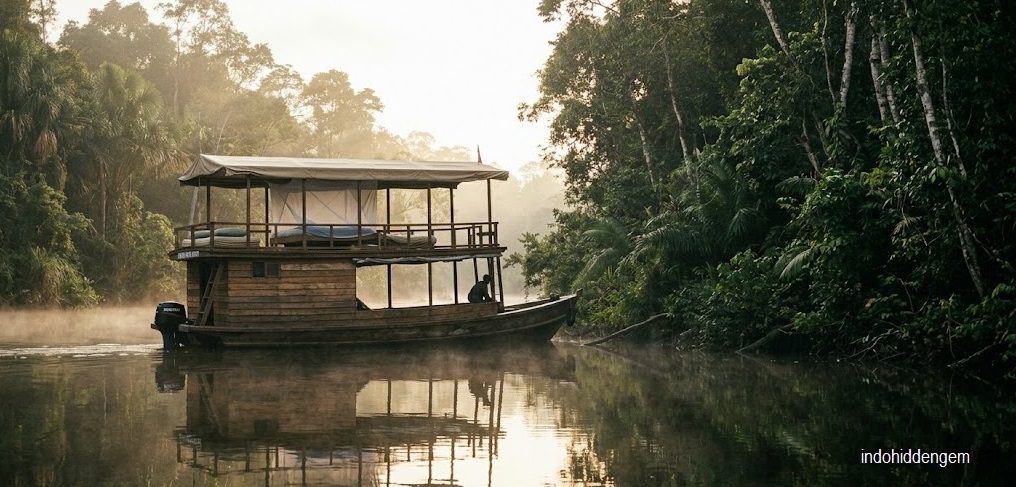
Your base is not a hotel room. It’s a wooden houseboat, locally known as a klotok. This boat becomes your transport, your accommodation, your restaurant, and your observation deck. You wake up to mist rising from the river, spend your days scanning the jungle canopy for movement, and fall asleep to the sounds of insects, water, and distant animal calls.
The experience is quiet, but never empty.
At any moment, something might happen:
- A group of proboscis monkeys leaping across branches
- A hornbill flying overhead with heavy wingbeats
- A sudden rustle in the trees revealing an orangutan moving slowly through the canopy
Unlike traditional wildlife tourism, where sightings are often structured and controlled, this journey is defined by unpredictability. You are entering an ecosystem that exists independently of tourism.
For travelers who have “done Bali,” or who are looking for something deeper, more meaningful, and far less commercial, Borneo represents a completely different dimension of Indonesia.
This guide is designed to give you a realistic, detailed, and honest understanding of what a Borneo river safari involves—how to get there, what to expect, how much it costs, and whether it’s truly worth the journey.
2. Where Is Borneo (Kalimantan) and Why It Matters
Borneo is the third-largest island in the world, shared by three countries: Indonesia, Malaysia, and Brunei. The Indonesian portion—Kalimantan—covers the majority of the island and remains one of the least explored regions in Southeast Asia from a tourism perspective.
Key Regions for River Safari Experiences:
- Central Kalimantan → Home to Tanjung Puting National Park
- East Kalimantan → Home to the Mahakam River
These two areas form the backbone of what many consider the ultimate Borneo wildlife journey.
Why This Region Is Globally Significant
Kalimantan is not just another tropical destination—it is part of one of the oldest rainforests on Earth, estimated to be over 130 million years old. This ecosystem supports an incredible diversity of life, including species that exist nowhere else.
Key highlights include:
- Endangered orangutans
- Endemic proboscis monkeys
- Rare bird species like hornbills
- Vast river systems connecting remote communities
From a conservation standpoint, this region is critical. Large portions of the rainforest have been affected by deforestation, making protected areas like Tanjung Puting even more important.
What This Means for Travelers
For visitors, this translates into something increasingly rare in modern travel:
- Low tourist density (compared to Bali or Thailand)
- Authentic environmental conditions
- Limited infrastructure
- High reward for effort
This is not a place where everything is designed for ease. But for those willing to navigate the logistics, the experience is far more meaningful than typical destinations.
3. Why a Borneo River Safari Is Truly Unique
3.1 Orangutans – One of the Last Ethical Wildlife Encounters
6
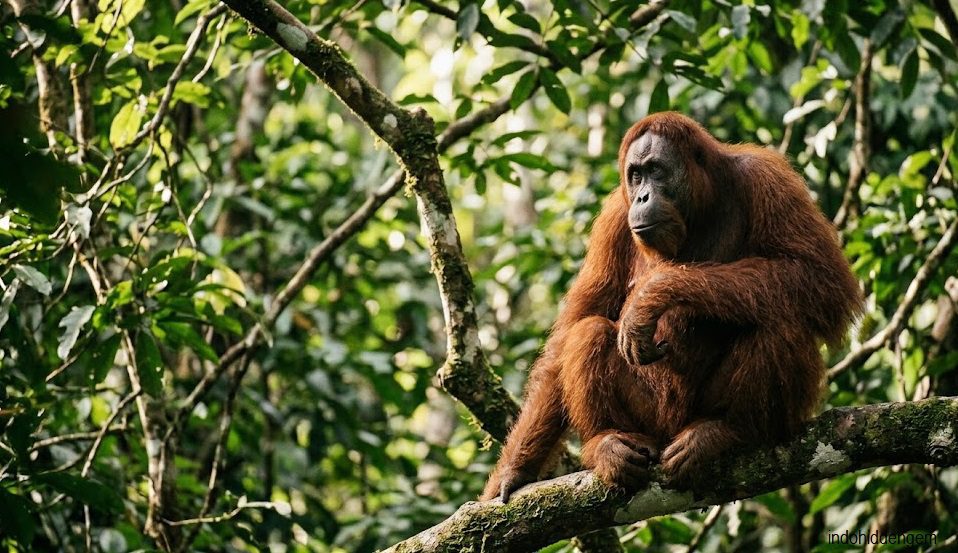
One of the primary reasons travelers come to Borneo is to see orangutans—but not in captivity.
In places like Tanjung Puting, orangutans live in semi-wild conditions. They are free-ranging animals that are supported by conservation programs, which provide supplemental feeding at specific stations.
This creates a rare balance:
- Animals remain wild
- Visitors can observe them reliably
- Conservation efforts are supported
Unlike zoos or safari parks, there are:
- No cages
- No forced interactions
- No performances
What you see is real behavior—slow movement through trees, maternal care, feeding, and sometimes even territorial displays.
3.2 Proboscis Monkeys – Strange, Rare, and Completely Real
7
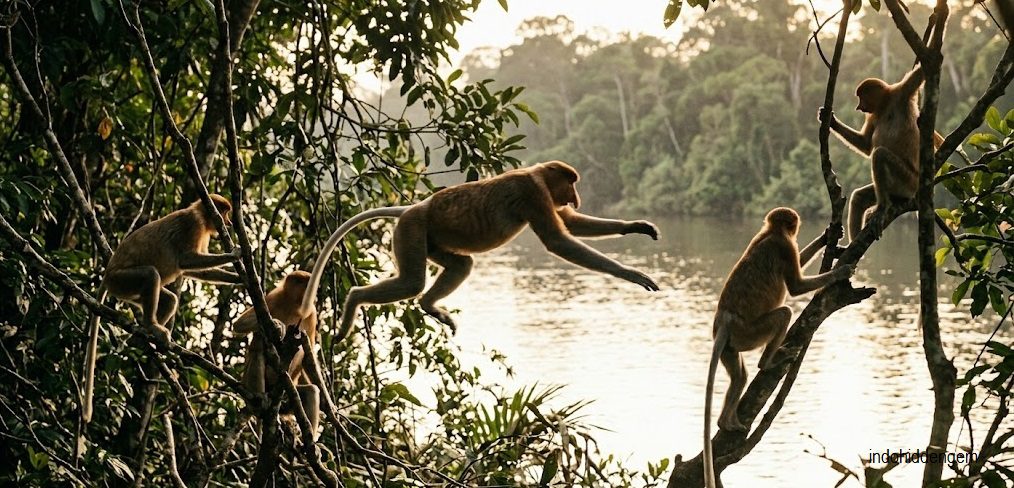
Equally fascinating—but less globally known—are proboscis monkeys, locally called bekantan.
These animals are:
- Found only in Borneo
- Recognizable by their unusually large noses
- Highly social and often seen in groups
They are best spotted:
- early morning
- late afternoon
- along riverbanks
Watching them leap between trees across water channels is one of the most memorable moments of the entire trip.
3.3 The Houseboat Experience – Living on the River
7
Unlike most travel experiences, where transportation and accommodation are separate, a Borneo river safari combines everything into one.
Your klotok (houseboat) includes:
- Open-air deck (main viewing area)
- Sleeping space with mattress and mosquito net
- Dining area
- Small kitchen run by onboard crew
Life onboard is simple but deeply immersive.
You don’t “visit” the jungle—you live within it.
3.4 A Slower, More Intentional Form of Travel
Modern travel often emphasizes speed—seeing as much as possible in the shortest amount of time.
Borneo does the opposite.
Days are defined by:
- Light changes
- River movement
- Wildlife patterns
You wait, observe, and adapt.
This slower pace often becomes one of the most meaningful parts of the journey, especially for travelers coming from fast-paced urban environments.
3.5 No Crowds, No Overdevelopment
Compared to Bali or Phuket, Borneo feels almost untouched.
You won’t find:
- Beach clubs
- Large resorts
- Mass tourism infrastructure
Instead, you’ll find:
- Small local operations
- Conservation-driven tourism
- Large areas of untouched rainforest
4. How to Get There (VERY IMPORTANT – FULL LOGISTICS)
This is the section where many travelers hesitate—so clarity is essential.
Step 1 – International Arrival
Most travelers arrive via:
- Soekarno-Hatta International Airport
- Or Bali (Denpasar)
Flights from Europe/US typically connect through:
- Singapore
- Doha
- Dubai
- Kuala Lumpur
Step 2 – Domestic Flights to Borneo
For orangutan tours:
- Destination: Pangkalan Bun (PKN)
For Mahakam:
- Destination: Balikpapan (BPN)
Flight time:
- Jakarta → Pangkalan Bun: ~1h 15m
- Jakarta → Balikpapan: ~2–2.5h
Step 3 – Ground Transfer
Tanjung Puting:
- Airport → Kumai port (~30 min)
Mahakam River:
- Balikpapan → Samarinda (~2–3 hours by car)
Step 4 – Entering the River System
This is where the experience begins.
- Board houseboat
- Travel upriver
- Gradual transition from town → jungle
Within hours, infrastructure disappears.
Common Mistakes Travelers Make
- Underestimating travel time
- Expecting luxury-level comfort
- Not booking in advance (limited boats)
- Planning too short (2 days is not enough)
Reality Check (Important)
This is not:
- A “quick trip”
- A resort vacation
This is:
- A multi-step expedition
- Accessible but not effortless
- Worth it if you value experience over convenience
5. Best Time to Visit
☀ Dry Season (May–October) → BEST
- Better visibility
- Easier movement
- Less rain
🌧 Rainy Season (Nov–April)
- Lush jungle
- Fewer tourists
- But unpredictable weather
6. Wildlife Experience (Deep Dive)
Borneo is one of the last places where large mammals still exist in dense tropical ecosystems without heavy human interference.
Key species:
- Orangutans
- Proboscis monkeys
- Macaques
- Gibbons
- Hornbills
- Reptiles
Wildlife here is not guaranteed—but that’s what makes sightings meaningful.
👉 Houseboat Living, Itinerary, Costs & Honest Travel Reality
7. The Houseboat Experience – What It’s Really Like Living on a Klotok
7.1 What Is a Klotok?
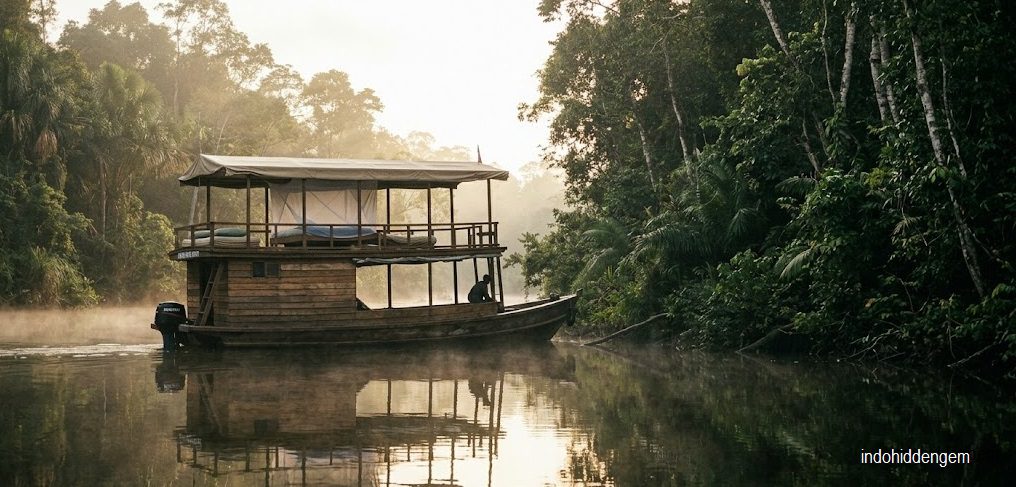
A klotok is a traditional Indonesian wooden river boat used across Kalimantan.
Struktur dasar:
- Upper deck → sleeping & relaxing area
- Middle section → dining space
- Rear → kitchen + crew area
The klotok’s engine produces a distinctive “tok-tok-tok” sound—this is where the name comes from.
7.2 What Sleeping Feels Like
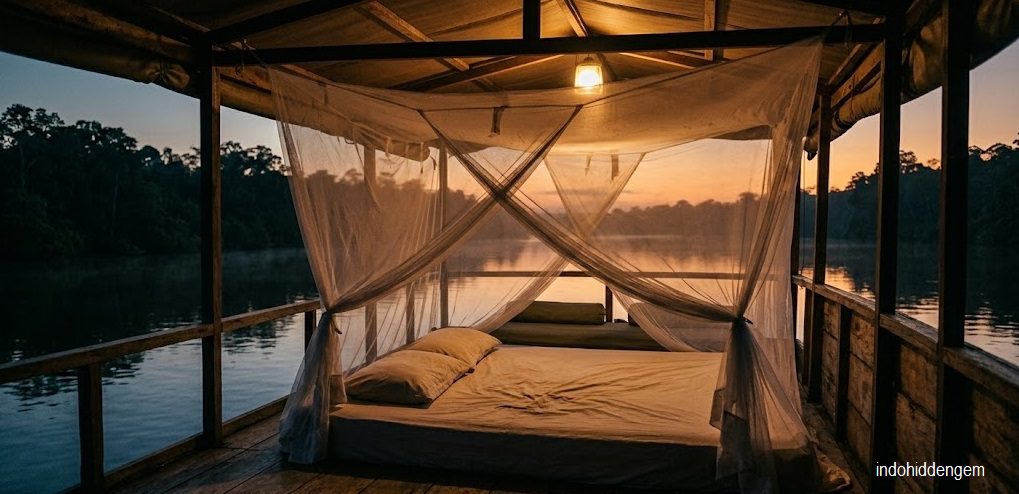
You typically sleep:
- On a mattress placed on deck
- Under a mosquito net
- With open air around you
What you’ll experience:
Total darkness (minimal light pollution)
Warm, humid air
Constant jungle sounds (insects, birds, flowing water)
real nature immersion.
7.3 Comfort Level (Honest)
Let’s be direct:
Not included:
- AC (mostly)
- Strong WiFi
- Hotel-level bathrooms
Included:
- Fresh air
- Constant views
- Authentic experience
7.4 Types of Houseboats
Standard Klotok
- Open deck sleeping
- Shared bathroom
- Price: ~$90–150/day
Best for:
- Backpackers
- Adventure travelers
Mid-Range / Semi-Deluxe
- Enclosed cabin
- Better mattress
- Sometimes fan / limited AC
Price:
- ~$150–300/day
Best for:
- Couples
- First-timers
Private Charter (Recommended for EU/US)
- Entire boat private
- Flexible itinerary
- Better food
Price:
- ~$400–900/day
Best for:
- Families
- Photographers
- Small groups
8. Daily Life on the River – What Your Days Actually Look Like
Morning – Mist & Movement
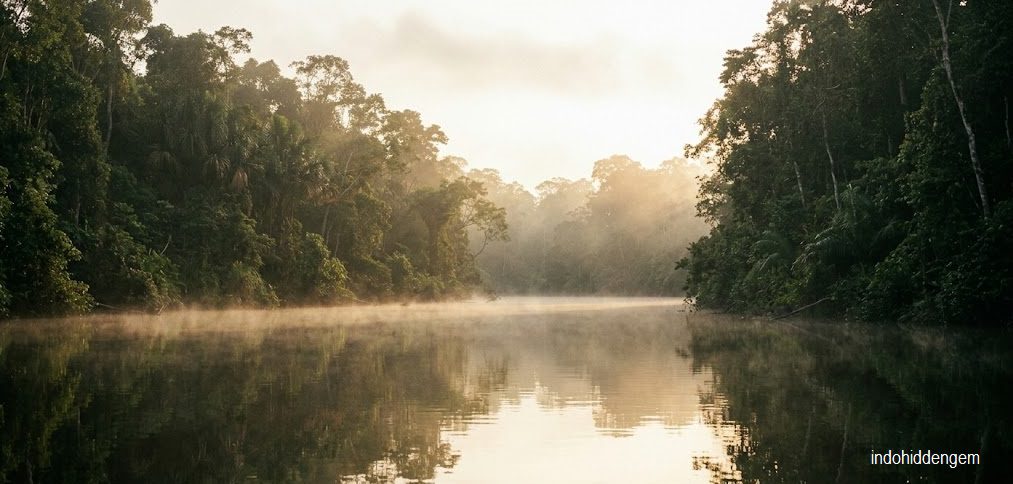
Wake up with sunlight filtering through trees
- Coffee on deck
- First wildlife sightings
This is often the best time for animals.
Midday – Exploration & Heat
- Visit orangutan feeding stations
- Short jungle walks
- High humidity
Afternoon – Slow Cruising
- Relax
- Photography
- Watch riverbanks
Evening – Golden Hour Wildlife
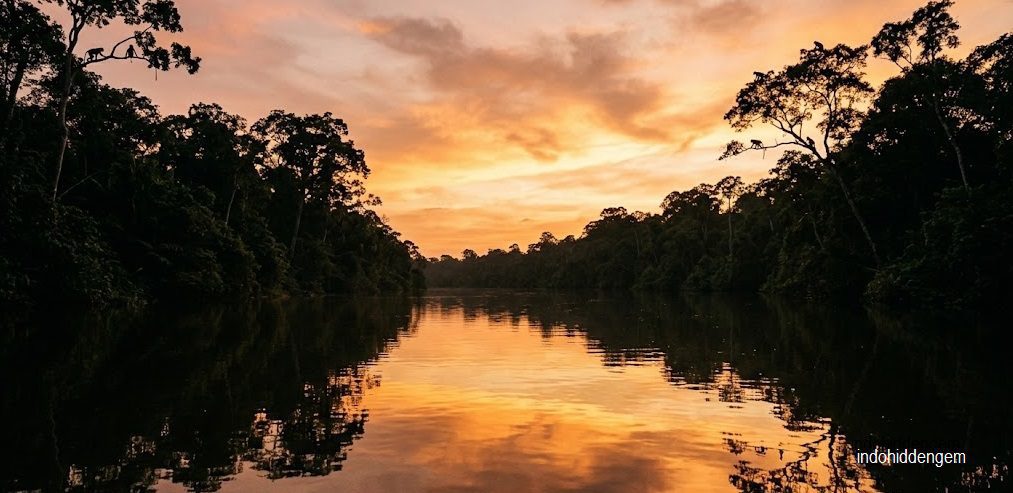
- Proboscis monkeys active
- Beautiful light
- Calm water reflections
Night – Jungle Atmosphere
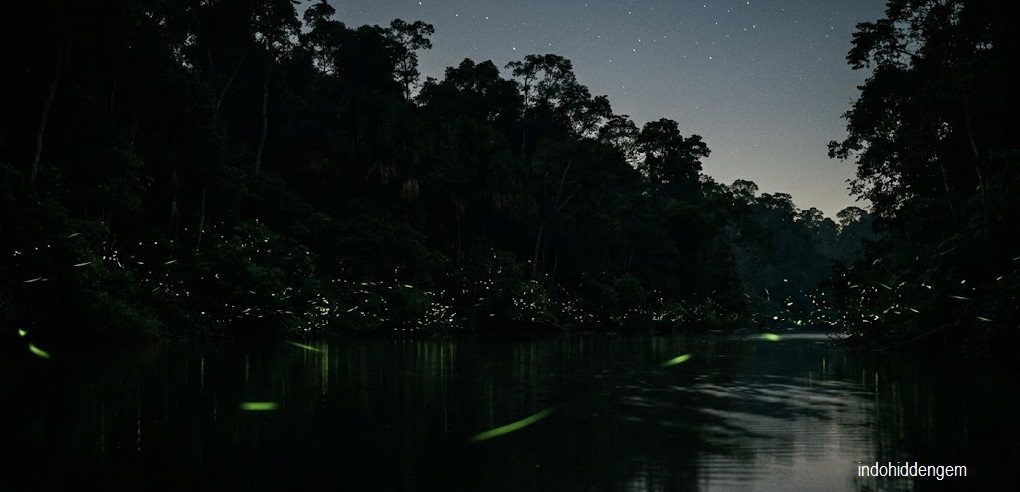
- Fireflies
- Total darkness
- Deep silence
9. What You Eat – Food on a Jungle Boat
Food is simple but surprisingly good.
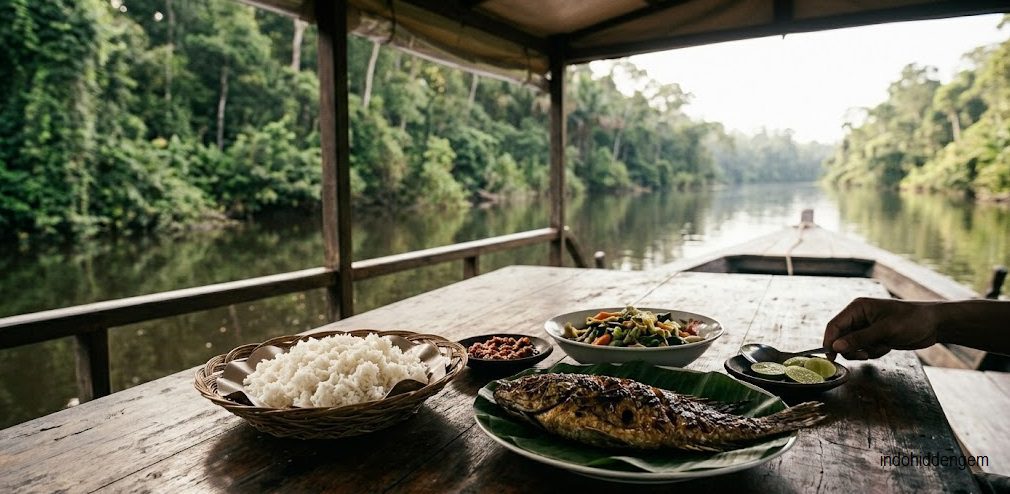
Typical Meals:
- Breakfast → eggs, toast, coffee
- Lunch → rice, vegetables, chicken/fish
- Dinner → similar + variation
- Snacks → fruit, fried bananas
Key Notes:
- Cooked fresh onboard
- Local Indonesian style
- Vegetarian available
👉 Expectation:
Don’t expect Western menu—expect authentic food.
10. Top Things to Do (Expanded)
10.1 Orangutan Encounters
6
- Visit feeding stations
- Observe behavior
- Watch interactions
10.2 River Wildlife Safari
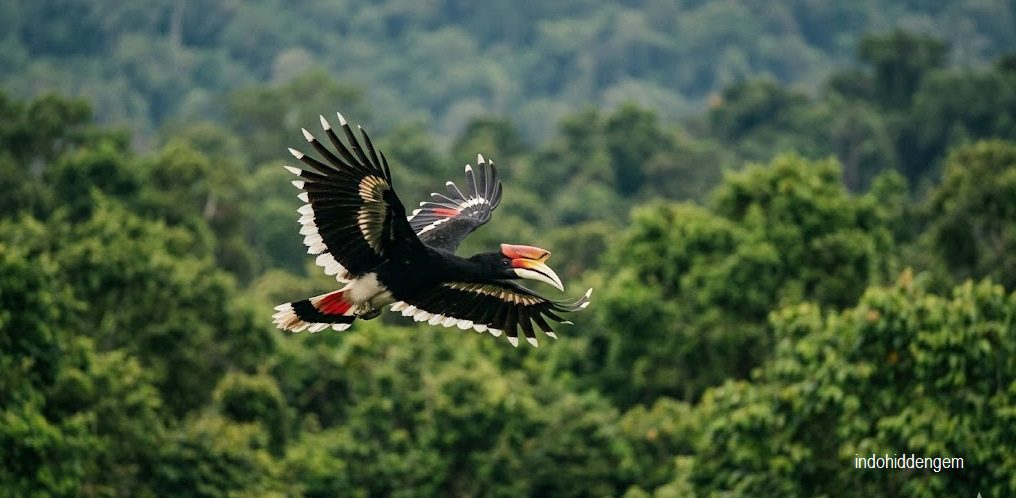
- Continuous spotting from boat
- No fixed “schedule”
- Every moment unpredictable
10.3 Visit Dayak Villages (Mahakam)
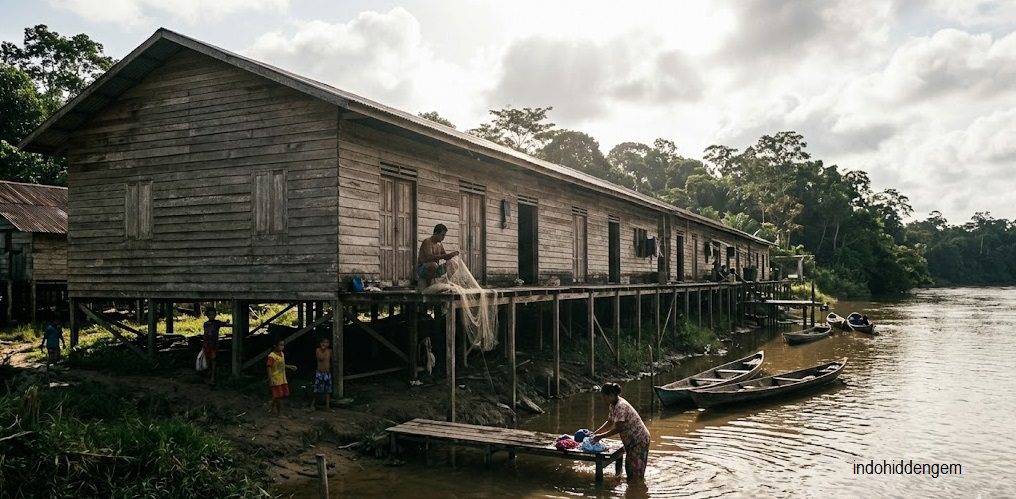
- Traditional longhouses
- Local culture
- Human connection
10.4 Lake Exploration
- Example: Lake Jempang
- Birdlife
- Fishing communities
10.5 Photography
Best subjects:
- Wildlife
- Reflections
- Misty mornings
11. Sample Itineraries
3D2N (Most Popular)
Day 1
- Arrival
- Boat boarding
- First wildlife
Day 2
- Orangutan feeding stations
- Jungle trekking
Day 3
- Morning cruise
- Return
4D3N (Recommended)
Adds:
- More wildlife time
- Less rushed
- Better experience overall
👉 Recommendation:
Take 4D3N if budget allows.
12. Costs Breakdown (Realistic 2026)
Flights:
- International → varies
- Domestic → $80–150
Boat Cost:
| Type | Price |
| Budget | $90–150/day |
| Mid | $150–300/day |
| Private | $400–900/day |
Total Estimate:
- Budget → $350–600
- Mid-range → $700–1,000
- Private → $1,200+
👉 Compared to:
- African safari → MUCH cheaper
- Amazon → similar but less accessible
13. Pros & Cons (HONEST)
✅ Pros:
- Unique experience
- Real wildlife
- Low tourism
- High authenticity
❌ Cons:
- Heat & humidity
- Basic facilities
- Logistics effort
- Limited internet
👉 Honest truth:
If you want comfort → Bali
If you want experience → Borneo
14. Travel Tips (Advanced)
What to Bring:
- Light clothing
- Mosquito repellent
- Sunscreen
- Dry bag
- Zoom camera
Health:
- Stay hydrated
- Use repellent
- Follow guide
Money:
- Bring cash
- Limited ATM
Language:
- Basic English OK
- Indonesian phrases help
15. Final Verdict – Is It Worth It?
Short Answer:
YES—if you want something real
Best For:
- Wildlife lovers
- Photographers
- Adventure travelers
Not Ideal For:
- Luxury travelers
- Short trips
- Comfort seekers
Final Thought:
Borneo is not easy.
But that’s exactly why it’s powerful.
In a world full of curated experiences,
this is one of the last places that still feels real.
Explore More of Kalimantan
The adventure does not end with a river safari. Beyond the rainforest waterways, Kalimantan is filled with remote jungles, indigenous cultures, hidden islands, and some of the most untouched landscapes in Southeast Asia.
Travelers interested in orangutan conservation and jungle expeditions can continue exploring Central Kalimantan, home to the famous Tanjung Puting National Park and traditional klotok river journeys.
For cultural river expeditions and authentic Dayak experiences, East Kalimantan offers unforgettable journeys along the Mahakam River, floating villages, and dense tropical rainforest.
Nature lovers seeking lesser-known adventures can also discover West Kalimantan, a region known for remote rainforests, rich biodiversity, and traditional longhouse communities.
Whether you are searching for wildlife encounters, river safaris, or hidden cultural destinations, Indonesian Borneo remains one of the last truly wild frontiers in Asia.