
Raja Ampat Travel Guide: Indonesia’s Most Extraordinary Island Destination
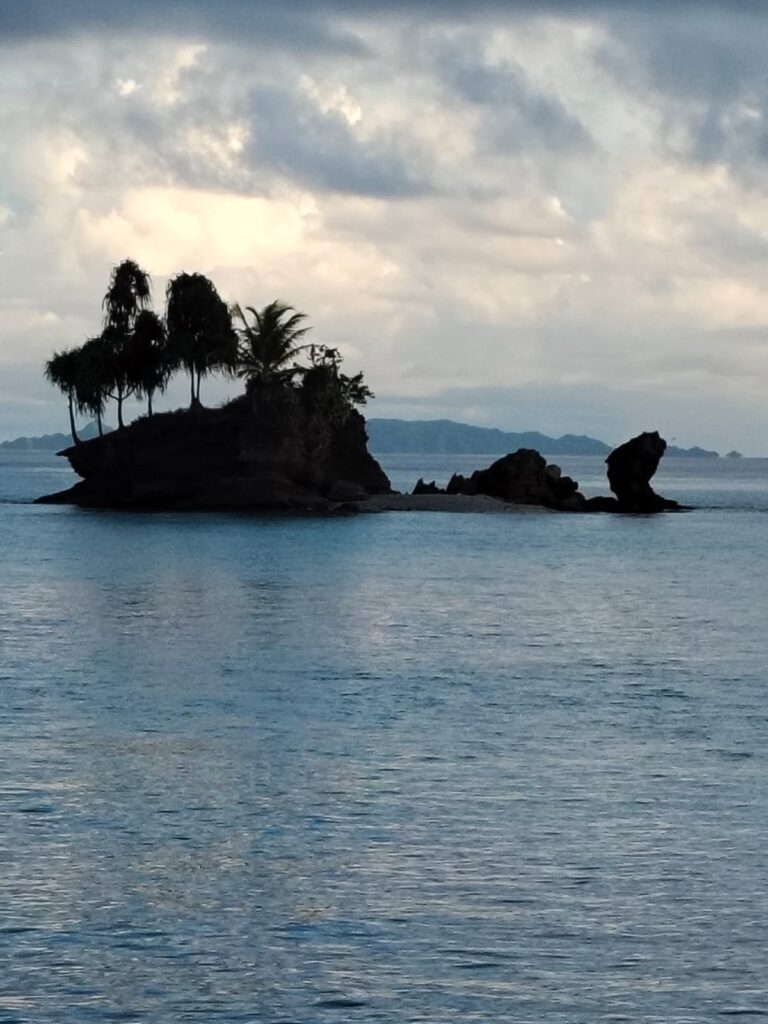
Raja Ampat is one of the few destinations in Southeast Asia that still feels genuinely remote.
Located in the far eastern part of Indonesia, this island region attracts travelers searching for coral reefs, clear water, wildlife, and a slower rhythm of travel. While destinations like Bali continue growing rapidly, Raja Ampat remains quieter and far less commercial.
For many international travelers, especially visitors from Europe and the United States, Raja Ampat represents a different kind of tropical experience.
The journey is long.
Transportation requires patience.
Internet connections are often weak.
However, that remoteness becomes part of the attraction.
Instead of shopping malls and beach clubs, visitors discover fishing villages, limestone islands, jungle-covered coastlines, and coral reefs filled with marine life.
The region is famous among divers because of its biodiversity. Scientists consider Raja Ampat one of the richest marine ecosystems on Earth. However, travelers do not need to scuba dive to enjoy the area.
Many people simply come to disconnect from modern routines.
Some spend their days kayaking through lagoons.
Others stay in small wooden homestays built above shallow reefs.
Meanwhile, photographers travel here for sunrise landscapes and underwater scenes that look almost unreal.
This Raja Ampat travel guide explains everything you need to know before visiting, including transportation, weather, diving, culture, accommodation, costs, sustainability, itineraries, and practical advice.
Why Visit Raja Ampat
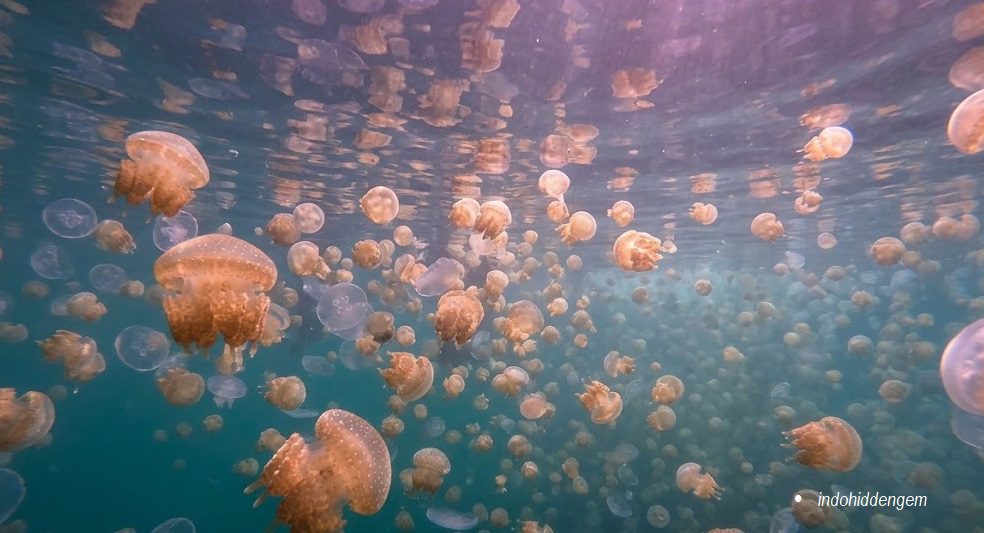
A Destination That Still Feels Wild
Unlike many tropical islands that became heavily developed, Raja Ampat still feels natural and untouched in many areas.
Large parts of the region remain covered in dense forest.
Some islands are completely uninhabited.
Others contain only small villages with limited infrastructure.
Because of this, traveling through Raja Ampat often feels more like an expedition than a typical beach holiday.
Boat rides between islands can take hours.
Phone signals disappear regularly.
Electricity may only operate during certain hours in remote homestays.
However, many travelers consider those limitations part of the experience.
The absence of mass tourism allows visitors to experience something increasingly rare in modern travel: silence.
At sunrise, the only sounds may come from birds, waves, and distant fishing boats.
Meanwhile, nights often feel incredibly dark because there are few artificial lights outside towns.
Extraordinary Marine Biodiversity
Raja Ampat sits inside the Coral Triangle, a marine region famous for biodiversity.
Scientists recorded hundreds of coral species and thousands of fish species here.
As a result, underwater environments feel remarkably alive.
Divers frequently encounter:
- Reef sharks
- Sea turtles
- Barracuda schools
- Manta rays
- Giant trevallies
- Napoleon wrasse
- Pygmy seahorses
- Wobbegong sharks
Meanwhile, even shallow snorkeling locations often contain colorful coral and large schools of fish.
Unlike some tourism destinations where coral reefs suffered severe damage, many Raja Ampat reefs still appear healthy.
Because of this, underwater visibility and marine density continue attracting photographers and divers from around the world.
Dramatic Island Landscapes
Raja Ampat is equally impressive above the water.
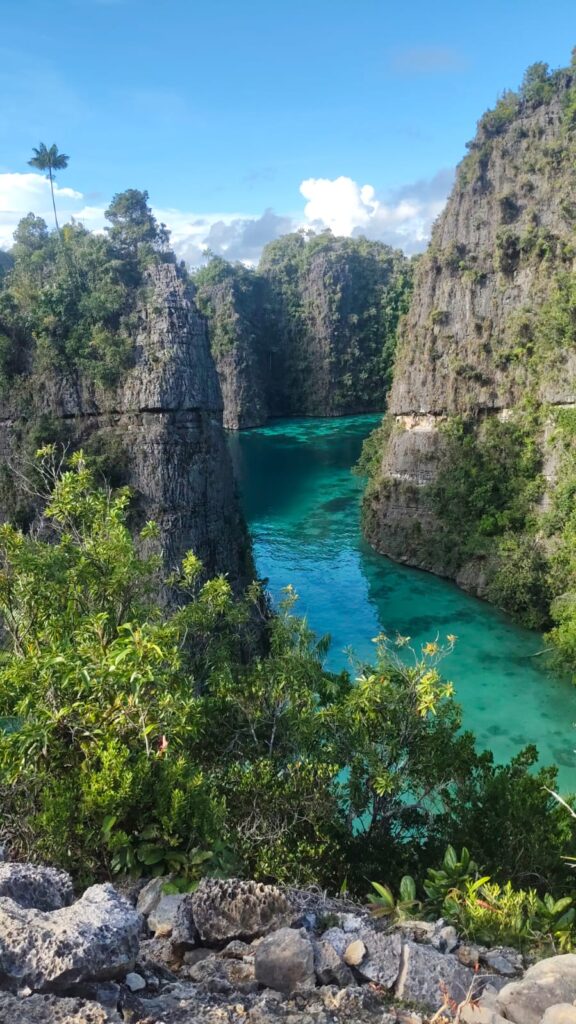
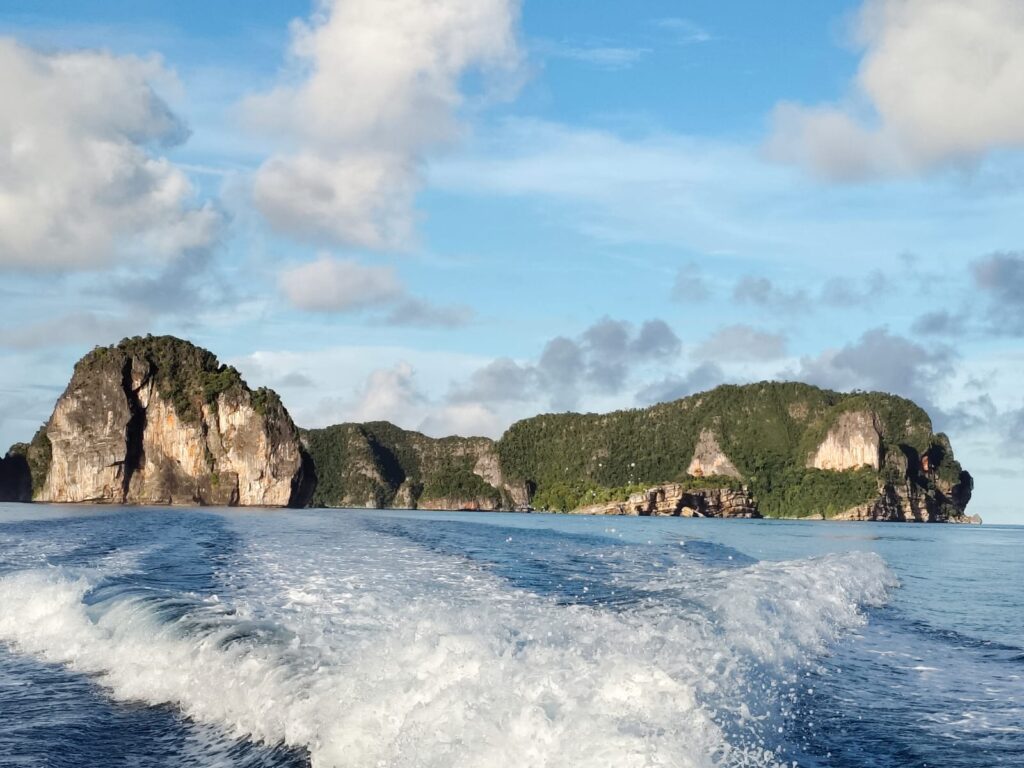
Steep limestone islands rise directly from turquoise lagoons.
Dense jungle covers the cliffs.
Mangrove forests spread along quiet shorelines.
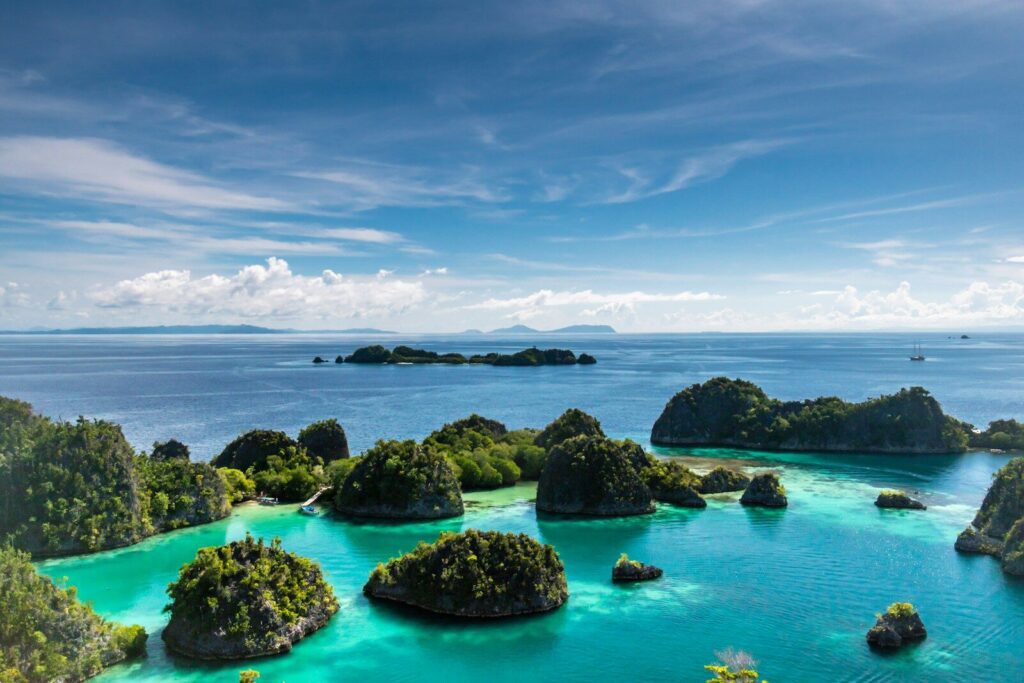
Places like Piaynemo and Wayag became internationally famous because of their panoramic island views.
However, photographs rarely capture the real atmosphere.
In person, the islands feel enormous and isolated.
Morning fog sometimes drifts across the hills.
Rain clouds move quickly through the region.
Meanwhile, changing sunlight continuously transforms the colors of the ocean.
A Slower Style of Travel
Many travelers visit Raja Ampat specifically because the destination encourages slower travel.
Days often revolve around simple experiences.
For example:
- Watching sunrise from a wooden jetty
- Snorkeling near coral reefs
- Drinking coffee while rain passes over the islands
- Taking long boat rides through lagoons
- Reading beside the sea
- Watching local fishermen return at sunset
Unlike highly commercialized destinations, Raja Ampat does not pressure visitors to constantly consume activities.
The region rewards patience instead.
Best Islands to Visit in Raja Ampat
One of the biggest mistakes first-time visitors make is assuming Raja Ampat feels like a single destination. In reality, the region is enormous. Different islands offer completely different experiences depending on your travel style, budget, and interests.
Some islands focus heavily on diving and snorkeling. Others feel more remote and luxurious. Meanwhile, certain areas work better for travelers searching for cultural experiences and slower island life.
Because of this, choosing the right island can shape your entire Raja Ampat trip.
Waigeo Island
Waigeo is the largest and most accessible island in Raja Ampat. Most travelers pass through this area because it sits close to Waisai, the region’s main transportation hub.
For first-time visitors, Waigeo often feels like the easiest introduction to Raja Ampat. Boat transfers remain shorter compared to more remote islands, and accommodation choices are wider.
The island is also known for birdwatching tours, especially early morning trips searching for Wilson’s bird-of-paradise inside dense forest areas.
Meanwhile, nearby snorkeling locations remain excellent even for beginners. Calm conditions around some reefs make Waigeo a good choice for travelers who prefer slower activities rather than advanced diving.
Despite being one of the busier parts of Raja Ampat, Waigeo still feels quiet compared to mainstream island destinations in Southeast Asia.
Misool Island
Misool sits farther south and feels noticeably more remote.
The journey takes longer and transportation costs increase significantly. However, many experienced travelers consider Misool the most visually dramatic part of Raja Ampat.
Limestone cliffs rise sharply above hidden lagoons and bright turquoise water. During sunrise and sunset, the landscape often feels almost unreal because of changing light conditions across the karst formations.
Misool is especially popular among divers and underwater photographers because marine biodiversity remains exceptional. Coral reefs appear extremely healthy in many areas, while visibility often stays excellent during calm weather.
Unlike backpacker-focused islands, Misool attracts more luxury travelers and liveaboard expeditions. Accommodation prices are usually higher because logistics remain difficult and the island sits far from major transport routes.
For honeymoon travelers or photographers, Misool often becomes one of the highlights of the entire Raja Ampat experience.
Kri Island
Kri Island is one of the best choices for travelers focused mainly on snorkeling and diving.
The island became famous because coral reefs begin directly beneath many homestays and dive resorts. In some locations, visitors simply walk down wooden stairs into shallow water filled with reef fish.
Because marine life feels so accessible, Kri attracts both beginner snorkelers and experienced divers.
The atmosphere remains relaxed and social compared to more isolated islands. Travelers often spend evenings sharing stories at simple waterfront restaurants while watching sunsets over the ocean.
Meanwhile, nearby dive sites such as Cape Kri continue attracting divers from around the world because of strong fish diversity and healthy coral systems.
Kri also works well for budget travelers because several family-run homestays operate along the shoreline.
Arborek Island
Arborek is much smaller than Waigeo or Misool, but many travelers remember it because of its atmosphere rather than its size.
The island combines village life with easy access to snorkeling areas. Children often swim near the wooden jetty while local fishermen prepare boats along the shoreline.
The famous Arborek jetty has become one of the most popular snorkeling locations in Raja Ampat because schools of fish gather directly beneath the dock.
Meanwhile, village homestays allow travelers to experience daily Papuan island life more closely than larger resort-based destinations.
The island feels calm during the evening once day-trip boats leave. Without traffic or nightlife, visitors usually spend nights listening to waves and distant voices from the village.
Wayag Islands
Wayag is probably the most iconic landscape in Raja Ampat.
The region contains dramatic limestone islands surrounded by shallow turquoise water and hidden beaches. Many aerial photographs associated with Raja Ampat actually come from this area.
However, reaching Wayag requires time, money, and favorable weather conditions. Boat journeys can take several hours depending on departure points and sea conditions.
Because of this, Wayag feels far more remote than other islands.
Most visitors explore the area through liveaboard trips or expensive private boat tours. Overnight stays remain less common because facilities are extremely limited.
Despite the long journey, many travelers consider Wayag worth the effort because the scenery feels unlike almost anywhere else in Southeast Asia.
Where is Raja Ampat?
Raja Ampat is located in Southwest Papua Province in eastern Indonesia.
The region lies northwest of the main Papua island.
The closest major gateway city is Sorong.
Almost all travelers entering Raja Ampat pass through Sorong first.
The Raja Ampat archipelago includes more than 1,500 islands, although only some are inhabited.
Popular visitor areas include:
- Waigeo
- Gam
- Kri
- Arborek
- Misool
- Batanta
- Salawati
Distances between islands are surprisingly large.
Because of this, transportation planning becomes important.
How to Get to Raja Ampat
International Flights to Indonesia
Most international visitors arrive through:
- Jakarta
- Bali
- Makassar
- Manado
Travelers from Europe often connect through Middle Eastern or Southeast Asian hubs.
Meanwhile, visitors from the United States usually experience longer multi-stop journeys.
Because of the distance, many travelers choose to rest overnight in Bali or Jakarta before continuing east.
Flying to Sorong
Sorong acts as the primary transportation hub for Raja Ampat.
Domestic airlines connect Sorong with several Indonesian cities.
Flights from Jakarta typically require around four hours excluding transit time.
Meanwhile, flights from Bali usually involve connections.
It is generally recommended to arrive in Sorong at least one day before continuing to Raja Ampat.
Weather and flight delays occasionally affect schedules.
Ferry to Waisai
After arriving in Sorong, travelers usually continue by ferry to Waisai.
The journey takes approximately two hours.
Waisai functions as the administrative center of Raja Ampat.
From there, resorts and homestays organize private or shared boat transfers.
Boat Transfers Between Islands
Boat transportation forms an essential part of the Raja Ampat experience.
However, visitors often underestimate travel times.
Transfer durations vary considerably.
For example:
| Destination | Approximate Time |
|---|---|
| Kri Island | 1–2 hours |
| Gam Island | 1–2 hours |
| Arborek | 2 hours |
| Piaynemo | 3–4 hours |
| Misool | 4–5 hours |
| Wayag | 5–7 hours |
Sea conditions also affect comfort.
During rough weather, long speedboat rides can feel physically exhausting.
Dry bags are highly recommended because sea spray regularly enters boats.
Best Time to Visit Raja Ampat
Raja Ampat Weather and Sea Conditions
Weather conditions in Raja Ampat can change surprisingly fast. A calm sunny morning may suddenly turn into heavy tropical rain during the afternoon. Because of this, flexibility becomes important while traveling through the islands.
Humidity remains high throughout the year. Even during drier months, temperatures often feel hot and humid during midday, especially while climbing viewpoints such as Piaynemo.
Sea conditions also vary depending on season and location.
During calmer months, boat rides feel smooth and comfortable. The ocean becomes clear and reflective, creating excellent conditions for snorkeling, diving, and photography.
However, rough weather can affect visibility and travel times. Strong winds occasionally create larger waves between islands, especially during long speedboat transfers toward remote areas like Wayag or Misool.
Underwater visibility usually improves during calmer sea conditions. Divers often experience the clearest water early in the morning before wind and currents increase later in the day.
Meanwhile, photographers often appreciate Raja Ampat’s changing weather because clouds and tropical rain create dramatic lighting across the limestone islands.
Sunrise generally provides softer colors and calmer ocean conditions compared to afternoon hours.
October to April
Many travelers consider this the best season.
During these months:
- Seas become calmer
- Rainfall decreases
- Underwater visibility improves
- Boat rides feel smoother
Because conditions improve, this period also becomes more popular.
Accommodation availability decreases quickly during holidays.
Early booking is recommended.
May to September
Weather becomes less predictable.
Travelers may experience:
- Stronger wind
- Sudden rain showers
- Rougher ocean conditions
However, Raja Ampat remains accessible throughout the year.
Some photographers actually enjoy the dramatic skies and moodier atmosphere during this period.
Meanwhile, marine wildlife sightings vary depending on seasonal conditions.
Water Temperature
Water temperatures usually remain between 28°C and 30°C.
Most divers use thin wetsuits.
Meanwhile, snorkelers generally feel comfortable without thermal protection.
Top Things to Do in Raja Ampat
Raja Ampat for Non-Divers
Many people assume Raja Ampat only appeals to scuba divers. However, non-divers often enjoy the destination just as much.
The islands offer a slower and more immersive travel experience that goes far beyond diving.
Snorkeling remains one of the biggest highlights. In many islands, coral reefs begin directly beneath homestays and jetties. Even beginners can see colorful reef fish, sea turtles, and healthy coral formations without scuba equipment.
Meanwhile, kayaking allows travelers to explore limestone lagoons quietly without engine noise. Early mornings often feel especially peaceful because the ocean remains calm and reflective before stronger winds arrive later in the day.
Photography is another major reason travelers visit Raja Ampat. The landscape constantly changes depending on weather and sunlight. Sunrise creates soft mist above the islands, while late afternoon often produces dramatic shadows across limestone cliffs.
Birdwatching also attracts non-divers. Several islands contain rare birds-of-paradise species that live inside dense tropical forest. Tours usually begin before sunrise when birds become more active.
At the same time, many visitors simply come to disconnect from fast-paced routines. Internet remains limited in many areas, encouraging travelers to spend more time outdoors instead of online.
Without nightlife or shopping malls, daily life slows naturally. Travelers spend evenings watching sunsets from wooden jetties, listening to waves beneath overwater bungalows, or talking with local families near village docks.
Because of this, Raja Ampat works surprisingly well even for travelers who never plan to scuba dive.
Visit Piaynemo
Piaynemo is one of the most iconic viewpoints in Indonesia.
Visitors climb a staircase through forest before reaching panoramic observation decks overlooking limestone islands.
The view became famous online because of its unusual island formations.
However, the real experience feels more impressive than photographs.
The islands stretch far into the distance.
Meanwhile, changing light conditions continuously alter ocean colors.
Early morning usually offers the best atmosphere because temperatures remain cooler.
Explore Wayag
Wayag sits farther north and requires longer boat journeys.
However, many travelers consider it the most beautiful area in Raja Ampat.
The landscape includes:
- Sharp limestone formations
- Hidden lagoons
- White sand beaches
- Quiet bays
- Clear shallow water
Because of the long travel time, some visitors stay overnight on liveaboard boats.
Sunrise in Wayag often feels incredibly peaceful.
Snorkeling Near Homestays
One of the best aspects of Raja Ampat is how accessible marine life feels.
In many islands, snorkeling begins directly beneath accommodations.
Guests simply walk down wooden stairs into the sea.
Common sightings include:
- Clownfish
- Parrotfish
- Giant clams
- Sea turtles
- Soft coral
- Reef fish schools
Morning conditions usually provide the clearest visibility.
Meanwhile, late afternoon snorkeling often creates softer lighting for photography.
Scuba Diving
Raja Ampat is widely considered one of the world’s premier diving destinations.
Popular dive sites include:
- Cape Kri
- Blue Magic
- Melissa’s Garden
- Manta Sandy
- Chicken Reef
Some locations contain strong currents.
Because of this, beginners should dive with experienced guides familiar with local conditions.
Advanced divers often enjoy drift dives where currents carry divers across reef systems.
Meanwhile, macro photographers appreciate Raja Ampat because of unusual small marine species.
Kayaking Through Lagoons
Kayaking offers a quieter way to experience the islands.
Without engine noise, visitors hear waves, birds, and wind moving through limestone cliffs.
Sunrise paddling feels especially calm.
Meanwhile, sunset creates beautiful reflections across still water.
Some resorts provide kayaks free for guests.
Others organize guided lagoon tours.
Birdwatching
Raja Ampat is also important for birdwatchers.
Several islands contain rare bird-of-paradise species.
Birdwatching tours typically begin before sunrise.
Local guides lead visitors into forest areas where birds become active early in the morning.
Common sightings may include:
- Wilson’s bird-of-paradise
- Red bird-of-paradise
- Hornbills
- Cockatoos
These tours often involve steep muddy trails.
Proper footwear becomes important.
Visit Local Villages
Village visits help travelers understand the human side of Raja Ampat.
Many communities still depend heavily on fishing.
Life often revolves around tides and weather.
Visitors may observe:
- Traditional fishing boats
- Drying fish nets
- Children swimming near jetties
- Wooden houses above shallow water
- Small local churches
Respectful behavior matters greatly.
Visitors should ask permission before taking close photographs of people.
Beaches and Natural Attractions
Pasir Timbul Sandbank
Pasir Timbul appears only during low tide.
The temporary sandbank becomes surrounded by bright shallow water.
Because tides change constantly, timing becomes important.
During peak sunlight, the surrounding ocean often appears incredibly clear.
Friwen Beach
Friwen Beach offers calm snorkeling conditions and soft sand.
Unlike busy tourist beaches elsewhere in Southeast Asia, the atmosphere remains relaxed and quiet.
There are usually no loud beach clubs or jet skis.
Instead, the area feels peaceful and natural.
Hidden Lagoons
Many island tours include hidden lagoons between limestone formations.
These areas often feel isolated from the outside world.
The water becomes still and reflective.
Meanwhile, cliffs surrounding the lagoons create dramatic scenery.
Raja Ampat Diving Guide
Liveaboard vs Homestay in Raja Ampat
One of the biggest decisions travelers face when planning Raja Ampat is choosing between a liveaboard trip and a land-based stay.
Both experiences offer advantages depending on travel style and budget.
Staying in Local Homestays
Homestays provide a slower and more personal experience.
Most are operated by local families and built using simple wooden structures near the shoreline. Some sit directly above shallow reefs, allowing guests to snorkel immediately outside their rooms.
The atmosphere feels relaxed and authentic rather than luxurious.
Electricity may only operate during certain hours, internet remains limited, and facilities are often basic. However, many travelers appreciate this simplicity because it creates closer connections with nature and local communities.
Homestays also cost significantly less than luxury resorts or liveaboard expeditions, making them popular among backpackers and long-term travelers.
Joining a Liveaboard Trip
Liveaboards focus heavily on diving and marine exploration.
Instead of staying on one island, travelers sleep on boats while moving between remote dive sites across Raja Ampat.
This option allows access to areas difficult to reach from standard resorts, including more isolated reefs and islands.
Liveaboards often include multiple dives per day, onboard chefs, camera stations for underwater photographers, and organized schedules.
Because of this, they attract serious divers and photographers searching for maximum underwater access.
However, prices remain significantly higher than homestays, and daily schedules can feel physically demanding.
Which Option is Better?
There is no single correct choice.
Travelers mainly interested in diving often prefer liveaboards because they maximize time underwater and reduce transportation limitations.
Meanwhile, travelers searching for slower experiences, cultural interaction, and relaxation usually prefer island homestays or eco resorts.
Some visitors even combine both options by starting with a liveaboard before spending several quiet days in a village homestay afterward.
Why Divers Love Raja Ampat
Divers consistently rank Raja Ampat among the best destinations in the world.
The combination of biodiversity, coral health, and fish density creates extraordinary underwater conditions.
Even experienced divers who visited famous destinations elsewhere often describe Raja Ampat as unique.
Marine ecosystems appear especially vibrant.
Large schools of fish move continuously across reef systems.
Meanwhile, coral formations remain colorful and varied.
Diving Conditions
Conditions vary significantly between dive sites.
Some locations contain:
- Strong currents
- Deep walls
- Drift diving environments
- Open ocean conditions
Meanwhile, other reefs remain calm and suitable for beginners.
Dive operators usually select sites based on weather and guest experience levels.
Underwater Photography
Raja Ampat attracts underwater photographers from around the world.
Photographers appreciate both macro and wide-angle opportunities.
For example:
- Tiny pygmy seahorses for macro photography
- Manta rays for wide-angle images
- Healthy coral gardens for reef scenes
Clear water and strong sunlight often improve underwater visibility.
Local Culture and Traditions
Papuan Identity
Raja Ampat belongs culturally to Papua.
Local traditions differ significantly from western Indonesia.
Languages, music, food, and social customs vary between communities.
Meanwhile, fishing remains central to daily life in many villages.
Communities maintain strong relationships with the sea.
Religion and Community Life
Christianity plays an important role throughout much of Raja Ampat.
Churches often become community gathering spaces.
Sunday services remain important social events.
Meanwhile, village celebrations sometimes include music and communal meals.
Traditional Music and Dance
Visitors occasionally experience traditional performances during local festivals.
These may involve:
- Drumming
- Singing
- Ceremonial dance
- Traditional clothing
Unlike staged commercial tourism performances elsewhere, these events often feel community-centered.
Respecting Local Communities
Responsible tourism is increasingly important.
Travelers should:
- Dress respectfully in villages
- Avoid littering
- Support local businesses
- Ask before photographing people
- Avoid damaging coral reefs
Because ecosystems and communities remain sensitive, small actions matter.
Where to Stay in Raja Ampat
Budget Homestays
Budget travelers usually stay in family-run homestays.
These accommodations often include:
- Wooden bungalows
- Shared bathrooms
- Three daily meals
- Basic electricity
- Mosquito nets
Many sit directly above shallow reefs.
As a result, snorkeling becomes extremely convenient.
Homestays also provide more interaction with local communities.
However, comfort levels remain basic.
Electricity may operate only during evening hours.
Meanwhile, internet access often remains unreliable.
Mid-Range Resorts
Mid-range properties offer improved comfort while maintaining natural surroundings.
Typical features include:
- Private bathrooms
- Better mattresses
- Organized tours
- Dive facilities
- More reliable electricity
These accommodations suit travelers wanting comfort without full luxury pricing.
Luxury Eco Resorts
Luxury resorts in Raja Ampat focus strongly on eco-tourism.
Many emphasize:
- Sustainability
- Reef conservation
- Eco-friendly construction
- Personalized experiences
- Limited guest capacity
Because logistics remain complicated, prices are significantly higher than many Indonesian destinations.
However, the remote atmosphere creates an exclusive experience.
Some luxury properties include overwater villas and private dive programs.
Food and Local Cuisine
What to Pack for Raja Ampat
Packing correctly becomes extremely important in Raja Ampat because stores remain limited outside Sorong and Waisai.
Many travelers underestimate how remote the islands actually feel.
A waterproof dry bag is one of the most useful items you can bring. Boat transfers regularly involve sea spray, especially during rough weather. Electronics, passports, and cameras should always remain protected.
Lightweight breathable clothing works best because temperatures stay humid throughout the year. Long sleeves also help protect against mosquitoes during evenings.
Reef-safe sunscreen is highly recommended because many activities involve long hours under direct tropical sunlight. Meanwhile, insect repellent becomes essential near jungle and mangrove areas.
Visitors should also bring:
- Waterproof phone cases
- Power banks
- Snorkeling gear
- Basic medicine
- Motion sickness tablets
- Sandals or reef shoes
- Reusable water bottles
- Flashlights or headlamps
Cash is extremely important because ATMs remain limited outside larger towns.
Internet access also stays unreliable in many islands, so downloading maps, documents, and entertainment before arrival is recommended.
Fresh Seafood
Seafood dominates most menus in Raja Ampat.
Fish often arrives directly from local fishermen.
Popular options include:
- Tuna
- Snapper
- Squid
- Lobster
Meals generally feel homemade rather than restaurant-styled.
Simple grilled fish with rice remains common.
Papeda
Papeda is one of Papua’s traditional foods.
Made from sago starch, the dish has a sticky texture often served with fish soup.
Many first-time visitors find the texture unusual.
However, Papeda represents an important regional staple.
Tropical Fruit
Depending on season, visitors may also enjoy:
- Papaya
- Banana
- Coconut
- Pineapple
- Mango
Fruit usually tastes fresh because much of it comes from nearby islands.
Suggested 3-Day Raja Ampat Itinerary
Day 1 — Arrival and First Impressions of Raja Ampat
A short Raja Ampat trip usually begins with an early arrival in Sorong before continuing toward the islands by ferry and speedboat.
Because travel distances are long, most visitors spend much of the first day moving between transportation hubs and island accommodations. However, the journey itself already becomes part of the experience.
As the ferry approaches Waisai, the scenery slowly changes from busy harbor views to jungle-covered islands surrounded by clear blue water.
After arriving at the accommodation, travelers usually spend the afternoon resting, snorkeling near the homestay, or simply enjoying the slower atmosphere after long international flights.
Even short stays in Raja Ampat feel noticeably different from other Indonesian destinations. There are fewer crowds, fewer vehicles, and almost no nightlife noise.
Instead, evenings revolve around sunsets, ocean sounds, and quiet conversations near the water.
For travelers with limited time, the first day works best when kept relaxed rather than overloaded with activities.
Day 2 — Piaynemo, Lagoons, and Snorkeling
The second day usually becomes the main exploration day of the trip.
Most tours depart shortly after sunrise because sea conditions remain calmer during the morning. Speedboats travel through narrow limestone passages and shallow reefs before reaching Piaynemo.
After climbing the famous staircase to the viewpoint, visitors are rewarded with one of the most recognizable landscapes in Indonesia. Hundreds of jungle-covered limestone islands spread across bright turquoise water in every direction.
During clear weather, visibility from the top can feel almost endless.
After Piaynemo, tours often continue toward nearby lagoons and snorkeling sites where coral reefs remain healthy and colorful. Even shallow areas contain large schools of fish and excellent underwater visibility during calm conditions.
Lunch is usually served on the boat or near quiet beaches surrounded by forested islands.
Meanwhile, late afternoon often becomes the most relaxing part of the day as boats slowly return toward the accommodation during softer sunset light.
Day 3 — Morning Snorkeling and Return to Sorong
The final morning in Raja Ampat usually feels shorter than expected.
Many travelers wake early to enjoy one last snorkeling session before beginning the return journey toward Sorong.
Morning conditions often provide calm water and excellent visibility, making the final hours surprisingly memorable despite the limited schedule.
After breakfast, visitors usually transfer by speedboat back to Waisai before continuing by ferry toward Sorong.
Although three days is enough to experience Raja Ampat briefly, the trip often leaves travelers wishing they had stayed longer.
The region moves slowly, and short visits can feel rushed because transportation alone consumes significant time.
However, even a few days surrounded by coral reefs, limestone islands, and quiet village life creates a very different atmosphere compared to mainstream tourism destinations across Southeast Asia. experience.
Suggested 5-Day Raja Ampat Itinerary”
Day 1 — Arrival in Sorong and Transfer to Raja Ampat
Most travelers arrive in Sorong feeling tired after multiple flights across Indonesia. Because of this, it is usually better not to rush immediately toward remote islands.
Depending on your arrival schedule, you may spend one night in Sorong before taking the morning ferry to Waisai. The city itself feels busy and functional rather than scenic, but it serves as the main gateway into Raja Ampat.
The ferry journey toward Waisai often becomes the moment when travelers finally feel they are entering Papua’s island landscapes. The ocean slowly changes color while forest-covered islands begin appearing in the distance.
After arriving in Waisai, most visitors continue by speedboat toward their accommodation island. Depending on location, the transfer may take anywhere from one to several hours.
The first evening in Raja Ampat is usually quiet and relaxing. Many travelers spend sunset sitting near wooden jetties while watching fishing boats move across calm water. After a long journey, the slower rhythm of the islands immediately feels noticeable.
Because electricity remains limited in some homestays, nights often become surprisingly peaceful compared to modern city life.
Day 2 — Piaynemo and Lagoon Exploration
Most island tours begin early in the morning because sea conditions are usually calmer after sunrise.
The journey toward Piaynemo often passes through limestone islands, shallow reefs, and narrow channels filled with bright turquoise water. Depending on your accommodation location, the trip may take several hours by speedboat.
After arriving, visitors climb the famous wooden staircase leading toward the panoramic viewpoint. The climb can feel humid and physically demanding during hotter weather, especially near midday. However, the scenery from the top becomes one of the most memorable views in Raja Ampat.
From above, hundreds of limestone islands spread across calm blue water in every direction. During clear weather, the contrast between jungle-covered cliffs and shallow reefs creates extraordinary colors without needing photo filters.
After visiting the viewpoint, most tours continue toward nearby lagoons and snorkeling spots. Many shallow reef areas contain excellent visibility and healthy coral formations.
Lunch is often served picnic-style on the boat or near quiet beaches surrounded by forested islands.
Meanwhile, the return journey during late afternoon usually feels slower and more relaxed as changing sunlight softens the ocean colors before sunset.
Day 3 — Snorkeling or Diving Around Kri Island
The third day usually focuses on marine life and underwater exploration.
For divers, nearby sites around Kri Island offer some of the most famous reefs in the region. Locations such as Cape Kri attract divers because of strong biodiversity and large schools of fish moving through coral systems.
Meanwhile, non-divers can spend the day snorkeling directly near homestays and shallow reef areas.
One of the most surprising aspects of Raja Ampat is how accessible marine life feels. Even beginner snorkelers often encounter colorful reef fish, giant clams, sea turtles, and healthy coral formations only a short distance from shore.
Conditions are usually best during morning hours before stronger wind and currents develop later in the afternoon.
During breaks between activities, travelers often return to their accommodations for lunch and rest while watching the ocean change throughout the day.
Unlike heavily commercialized tourism destinations, daily schedules in Raja Ampat tend to feel slower and less structured. Many visitors eventually stop checking time altogether.
Sunsets near Kri often become one of the quiet highlights of the trip. As boats return to villages and the ocean becomes calmer, the atmosphere across the islands feels almost completely disconnected from city life.
Day 4 — Village Visits and Slow Island Life
After several days of island tours and marine activities, many travelers enjoy slowing down and experiencing local village life more closely.
This day works well for visiting places such as Arborek Island, where village communities remain closely connected to the sea.
Children often swim beneath wooden jetties while fishermen repair boats near the shoreline. Small churches sit between coconut trees, and daily life moves slowly according to weather and tides.
Unlike staged tourism performances found in some destinations, interactions in Raja Ampat generally feel natural and relaxed.
Travelers may spend time walking through villages, talking with local families, snorkeling beneath jetties, or simply sitting beside the water while longboats move between islands.
Meanwhile, kayaking through nearby lagoons creates another peaceful way to experience the landscape without engine noise.
By the fourth day, many visitors begin appreciating Raja Ampat less as a sightseeing destination and more as a place that encourages slower travel habits.
The absence of traffic, nightlife, and constant digital distractions becomes part of the experience itself.
Day 5 — Return Journey to Sorong
The final day usually begins early because returning to Sorong involves multiple transportation stages.
Depending on weather and accommodation location, travelers may first take a speedboat back toward Waisai before boarding the public ferry to Sorong.
The return journey often feels emotionally different from arrival day.
At the beginning of the trip, many visitors focus heavily on logistics, schedules, and transportation stress. However, after several days surrounded by quiet islands and coral reefs, the slower rhythm of Raja Ampat begins to feel surprisingly normal.
Meanwhile, the movement back toward busier towns and airports often feels abrupt.
For many travelers, the strongest memories are not necessarily the famous viewpoints or underwater photographs. Instead, they remember simple moments: early morning boat rides across calm water, tropical rain passing over limestone islands, or evenings listening to waves beneath wooden bungalows.
Raja Ampat leaves a lasting impression precisely because life there still feels slower, quieter, and less commercial than many modern travel destinations.
Five days allows travelers to experience Raja Ampat without rushing constantly.
Suggested 7-Day Raja Ampat Itinerary
Day 1 — Arrival in Sorong
Most international travelers arrive in Sorong after multiple domestic and international flights. Because journeys toward Papua can feel physically exhausting, the first day usually works best as a transition period rather than a sightseeing day.
Many visitors spend one night resting in Sorong before continuing toward Raja Ampat the following morning.
Although Sorong itself is not considered a tourism destination, the city provides an important introduction to Papua’s atmosphere before travelers continue into more remote island areas.
Day 2 — Ferry to Waisai and Island Transfer
The second day begins early with the public ferry from Sorong toward Waisai.
As the ferry moves farther from the mainland, forest-covered islands begin appearing across the horizon. For many travelers, this becomes the moment when Raja Ampat finally starts feeling real.
After arriving in Waisai, visitors continue by speedboat toward their accommodation island. Depending on location, transfers may take several additional hours.
The first evening usually feels quiet and restorative after long transportation days. Travelers often spend sunset near the shoreline watching fishing boats move slowly across calm water.
Day 3 — Snorkeling and Relaxed Island Exploration
The third day allows visitors to settle into the slower rhythm of island life.
Instead of rushing between multiple destinations, many travelers spend time snorkeling directly near their accommodation. In Raja Ampat, coral reefs often begin only a few meters from shore.
Even beginner snorkelers regularly encounter reef fish, giant clams, and healthy coral formations without needing complicated tours.
Meanwhile, travelers who prefer slower activities may spend the afternoon kayaking, reading beside the water, or exploring nearby village areas.
The absence of traffic and nightlife becomes increasingly noticeable after several days in the islands.
Day 4 — Piaynemo and Hidden Lagoons
Day four usually focuses on one of Raja Ampat’s most iconic landscapes: Piaynemo.
Most tours depart shortly after sunrise because calmer ocean conditions improve both comfort and visibility.
The boat journey itself often becomes one of the highlights of the day. Limestone islands rise directly from turquoise water while narrow channels reveal hidden lagoons and shallow reefs beneath the surface.
After climbing the staircase toward the viewpoint, travelers experience panoramic scenery stretching across hundreds of small islands.
Later in the day, tours continue toward snorkeling locations and quiet lagoons surrounded by steep cliffs and dense forest.
Meanwhile, the return journey during sunset often feels slower and more reflective after a full day exploring the islands.
Day 5 — Diving, Snorkeling, or Birdwatching
The fifth day offers flexibility depending on travel interests.
Divers may spend the day exploring famous reef systems near Kri Island, where marine biodiversity remains extraordinary.
Meanwhile, non-divers often choose snorkeling tours, kayaking trips, or birdwatching excursions searching for birds-of-paradise inside forested island areas.
Birdwatching tours usually begin before sunrise because wildlife becomes more active during early morning hours.
At the same time, travelers wanting a slower pace may simply remain near the homestay enjoying the quiet atmosphere without structured activities.
One of the strengths of Raja Ampat is that visitors never feel pressured to stay constantly busy.
Day 6 — Village Visits and Slow Travel Experiences
After several days focused on scenery and marine life, many travelers appreciate spending time closer to local communities.
Village visits around islands such as Arborek Island allow visitors to experience everyday Papuan island life more directly.
Children swim beneath wooden jetties while fishermen prepare boats along the shoreline. Coconut trees move slowly in the wind while small churches stand near the water’s edge.
Unlike destinations built entirely around tourism, Raja Ampat still feels strongly connected to local daily life.
The slower rhythm becomes one of the most memorable aspects of the journey.
Meanwhile, evenings often end quietly with sunset views and conversations near the water rather than nightlife or crowded entertainment areas.
Day 7 — Return Journey and Final Reflections
The final day usually begins early because returning to Sorong requires several transportation stages.
Depending on accommodation location, travelers first transfer by speedboat back toward Waisai before boarding the public ferry toward Sorong.
The return journey often feels emotionally different from arrival day.
At the beginning of the trip, most visitors focus heavily on transportation schedules, logistics, and travel fatigue. However, after a week surrounded by coral reefs, quiet lagoons, and remote islands, the slower atmosphere of Raja Ampat starts feeling natural.
Many travelers leave with strong memories not only of famous viewpoints and underwater wildlife, but also of quieter moments: rain moving across limestone islands, waves beneath wooden bungalows, and peaceful mornings without city noise.
That slower rhythm is what makes Raja Ampat feel increasingly rare in the modern travel world.ger.
Travel Costs in Raja Ampat
Common Mistakes First-Time Visitors Make
Many first-time travelers underestimate how different Raja Ampat feels compared to mainstream tourism destinations in Indonesia.
One of the most common mistakes is planning too few days. Because transportation takes time and weather can affect schedules, short trips often feel rushed and exhausting.
Another common mistake is assuming internet access will remain reliable. In reality, many islands have weak or inconsistent connections. Travelers expecting fast internet for remote work may feel frustrated.
Visitors also frequently underestimate boat transfer distances. Some islands require several hours of travel across open ocean, especially during rough weather conditions.
Packing mistakes happen regularly as well.
People often forget dry bags, motion sickness medicine, or enough cash before leaving Sorong. Since stores remain limited in remote islands, replacing forgotten items becomes difficult and expensive.
Meanwhile, some travelers overpack heavy luggage despite constantly moving between boats and small island accommodations.
Travelers who enjoy Raja Ampat the most usually arrive with flexible expectations and enough time to slow down naturally.
Why Raja Ampat is Expensive
One of the biggest surprises for first-time visitors is how expensive Raja Ampat can feel compared to other destinations in Indonesia.
Travelers who previously visited places like Bali, Lombok, or Yogyakarta often expect similar pricing. However, Raja Ampat operates very differently because of its remote geography and limited infrastructure.
Almost everything in the islands depends on long-distance transportation.
Fuel, construction materials, food supplies, bottled water, and even basic household products must be shipped from larger cities such as Sorong or Makassar before continuing toward smaller islands by boat.
Because of this, operating costs increase significantly across the region.
Transportation also becomes one of the largest expenses for visitors. Unlike destinations connected by roads, Raja Ampat relies heavily on speedboats and ferries. Some island transfers require several hours across open ocean, especially when traveling toward remote areas like Misool or Wayag.
Fuel costs alone can make private boat transportation expensive, particularly for smaller groups or solo travelers.
Accommodation prices are also influenced by logistics and electricity limitations. Many resorts operate generators for power and must transport supplies regularly from mainland Papua.
Meanwhile, luxury eco-resorts invest heavily in sustainability systems, waste management, and reef conservation programs because environmental protection remains essential in Raja Ampat.
However, expensive does not always mean luxurious.
Some homestays remain very simple despite relatively high prices compared to mainland Indonesia. Visitors are often paying more for location, transportation difficulty, and access to nature rather than modern comfort.
Budget travelers can still reduce costs by choosing local homestays, traveling in small groups, and sharing boat transfers whenever possible.
Meanwhile, travelers searching for luxury experiences, private diving trips, or remote island resorts should prepare for significantly higher budgets.
For many visitors, the cost ultimately feels worthwhile because few destinations in the world offer the same combination of marine biodiversity, island scenery, and relative isolation.
Average Daily Budget in Raja Ampat
Travel costs in Raja Ampat vary dramatically depending on travel style, accommodation type, and transportation choices.
Budget travelers staying in local homestays generally spend less than visitors choosing private resorts or liveaboard expeditions. However, even budget travel in Raja Ampat usually costs more than backpacking in other parts of Indonesia.
A typical budget traveler may spend between USD 60 and USD 120 per day including accommodation, meals, and basic island transportation. Most homestays include three daily meals, which helps reduce additional food expenses.
Mid-range travelers usually spend between USD 150 and USD 300 per day depending on resort quality, diving activities, and private tours. This category often includes better rooms, organized snorkeling trips, and more comfortable facilities.
Luxury travelers may spend USD 500 or significantly more per day, especially when booking private resorts, diving packages, or liveaboard journeys across remote islands.
Transportation heavily influences overall costs.
Private speedboats can become extremely expensive for solo travelers because fuel costs remain high. As a result, many visitors try sharing transfers or joining group tours whenever possible.
Diving also increases budgets quickly. Multi-day dive packages, equipment rental, and marine park fees can significantly affect total spending during longer stays.
Meanwhile, travelers who focus mainly on snorkeling, slow travel, and local homestays often find Raja Ampat more affordable than expected despite the region’s reputation for high prices.
The key is understanding that Raja Ampat is less about luxury shopping or nightlife spending and more about transportation, marine activities, and remote island logistics.
Internet and Connectivity in Raja Ampat
Internet access in Raja Ampat remains limited compared to most mainstream tourism destinations in Southeast Asia.
While some resorts and homestays provide WiFi, speeds are often slow and inconsistent, especially during bad weather or busy evening hours.
In remote islands, phone signals may disappear completely for long periods.
For many travelers, this becomes one of the most noticeable parts of the Raja Ampat experience.
Instead of spending hours online, visitors naturally begin focusing more on the surrounding environment. Evenings are often spent watching sunsets, talking with other travelers, or listening to waves beneath wooden bungalows rather than checking social media.
However, travelers planning to work remotely from Raja Ampat should prepare carefully.
Video calls, large uploads, and constant online meetings can become difficult outside larger towns such as Sorong or Waisai. Some eco resorts offer relatively stable internet, but reliability still cannot compare with Bali or major urban destinations.
Meanwhile, the lack of connectivity becomes surprisingly refreshing for many visitors.
The islands encourage slower routines and fewer digital distractions. After several days surrounded by ocean, coral reefs, and quiet villages, many travelers stop thinking about internet speeds entirely.
Raja Ampat is one of the rare destinations where disconnecting from technology often becomes part of the travel experience itself.
Health and Safety in Raja Ampat
Raja Ampat is generally considered safe for international travelers, including solo visitors and couples exploring the islands independently.
Local communities are usually welcoming, and violent crime remains uncommon in tourism areas. However, because the region is remote, travelers should still prepare carefully before arriving.
Medical infrastructure remains limited outside Sorong and larger towns. Small island clinics may only handle minor health problems, while serious emergencies could require evacuation by boat or plane toward larger hospitals in Papua or other Indonesian cities.
Because of this, travel insurance is strongly recommended, especially for divers and travelers planning longer stays in remote islands.
The tropical climate also creates practical challenges.
Humidity remains high throughout the year, and strong sunlight can quickly cause dehydration during island tours or long boat journeys. Travelers should drink plenty of water and use reef-safe sunscreen regularly.
Mosquitoes are common near forested and mangrove areas, particularly during evening hours after rain. Insect repellent and lightweight long-sleeve clothing help reduce discomfort.
Meanwhile, sea conditions can occasionally become rough during longer transfers. Visitors sensitive to motion sickness should carry medication before traveling between islands.
Divers should also choose experienced operators familiar with local currents and weather conditions. Some dive sites involve strong drift currents that may not suit beginners.
Despite these challenges, most travelers experience Raja Ampat as calm, peaceful, and far less stressful than heavily crowded tourism destinations elsewhere in Southeast Asia.
Sustainable Tourism in Raja Ampat
Protecting Coral Reefs in Raja Ampat
Raja Ampat contains one of the most important marine ecosystems in the world.
Because coral reefs here remain unusually healthy and biodiverse, conservation efforts play a critical role in protecting the region from long-term environmental damage.
Tourism helps local communities economically, but it also creates pressure on fragile ecosystems if not managed responsibly.
Even small actions from visitors can affect coral health.
Touching coral while snorkeling, standing on reef formations, or careless fin movement during diving can damage ecosystems that may take decades to recover.
Meanwhile, plastic pollution remains a growing concern across many island destinations in Southeast Asia, including Papua.
Responsible travelers should avoid leaving trash behind and reduce single-use plastic whenever possible.
Many eco resorts and local organizations now support reef conservation programs, waste reduction projects, and sustainable tourism initiatives designed to protect marine biodiversity for future generations.
Travelers can support these efforts by choosing environmentally responsible operators, respecting marine wildlife, and avoiding activities that exploit animals or damage natural habitats.
One of the reasons Raja Ampat still feels special today is because large parts of the ecosystem remain relatively intact compared to many heavily developed tourism destinations.
Protecting that balance will become increasingly important as visitor numbers continue growing each year.
Supporting Local Communities in Raja Ampat
Tourism plays an increasingly important role in Raja Ampat’s local economy. For many island communities, income from visitors now helps support families, education, transportation, and small local businesses.
However, tourism in Raja Ampat still feels very different from mass tourism destinations elsewhere in Southeast Asia.
Many homestays are family-operated rather than managed by large hotel chains. Local guides often work independently, and village communities remain closely connected to daily tourism activities.
Because of this, travelers can directly support local communities through relatively simple decisions during their trip.
Choosing locally owned homestays instead of international resort chains helps distribute tourism income more directly to island families. Although facilities may feel more basic, many visitors appreciate the cultural interaction and personal atmosphere these accommodations provide.
Hiring local guides for snorkeling trips, birdwatching tours, and village visits also creates meaningful economic support while allowing travelers to learn more about Papuan culture and local marine environments.
Meanwhile, buying handmade products or snacks from village shops may seem like small purchases, but they can still make a noticeable difference in remote island communities where economic opportunities remain limited.
Respectful behavior matters just as much as financial support.
Travelers should always ask permission before photographing people closely, especially children and elderly villagers. Loud drone use near villages can also feel disruptive in communities where daily life remains relatively quiet.
One of the reasons Raja Ampat still feels authentic today is because local communities continue maintaining strong cultural and environmental connections to the islands.
Supporting responsible tourism helps preserve that balance while ensuring tourism benefits local residents rather than only outside investors.
For many travelers, these small interactions with local families become some of the most memorable parts of the journey.
Travel Tips for Raja Ampat
Traveling to Raja Ampat feels very different from visiting more developed destinations such as Bali or Phuket. The islands are remote, transportation takes time, and infrastructure remains limited in many areas.
Because of this, preparation becomes extremely important.
One of the best things travelers can do is avoid rushing the itinerary. Boat transfers often depend on weather conditions, and long travel days can become physically exhausting. Spending at least five to seven days in Raja Ampat usually creates a far more relaxed experience.
Packing light also helps significantly.
Travelers constantly move between ferries, speedboats, wooden jetties, and small island accommodations. Large heavy suitcases quickly become inconvenient during transfers.
Meanwhile, waterproof protection is essential. Dry bags help protect cameras, phones, passports, and clothing during speedboat rides where sea spray frequently enters the boat.
Cash is another important consideration.
Outside Sorong and Waisai, ATM access becomes extremely limited. Many homestays and small operators only accept cash payments, so withdrawing enough money before leaving the mainland is highly recommended.
Visitors should also prepare for slower internet and limited electricity in certain islands. Instead of expecting constant connectivity, most travelers enjoy Raja Ampat more when treating the destination as a chance to disconnect from daily routines and digital distractions.
Health preparation matters as well.
Travelers should bring:
- reef-safe sunscreen
- insect repellent
- basic medicine
- motion sickness tablets
- reusable water bottles
- lightweight breathable clothing
Meanwhile, respecting marine life remains extremely important.
Coral reefs in Raja Ampat are fragile despite appearing healthy and abundant. Visitors should avoid touching coral, standing on reefs, or chasing marine animals for photographs.
Travelers who approach Raja Ampat with patience and flexible expectations usually enjoy the experience far more than those expecting luxury convenience everywhere.
The destination rewards slow travel, curiosity, and appreciation for nature rather than fast-paced tourism schedules.
Frequently Asked Questions About Raja Ampat
Is Raja Ampat worth visiting for international travelers?
Yes, especially for travelers searching for nature, marine life, and slower island experiences rather than nightlife or luxury shopping. Raja Ampat feels very different from mainstream tropical destinations because large parts of the region remain remote and relatively undeveloped.
The journey can feel long and physically tiring, particularly for visitors arriving from Europe or the United States. However, many travelers consider the experience worthwhile because few destinations still offer this level of marine biodiversity and island scenery combined with such a quiet atmosphere.
Raja Ampat is less about fast tourism and more about disconnecting from crowded routines, spending time in nature, and experiencing a slower rhythm of travel.
How expensive is Raja Ampat compared to Bali?
Raja Ampat is usually much more expensive than Bali because transportation logistics are significantly more complicated.
Most islands can only be reached by ferry and speedboat, fuel costs remain high, and many supplies must be transported from larger cities such as Sorong. Because of this, accommodation, food, and tours generally cost more than similar services in western Indonesia.
However, travelers can still manage costs by staying in local homestays instead of luxury resorts. Budget travelers often spend between USD 60 and USD 120 per day, while luxury travelers or divers may spend considerably more depending on transportation and activity choices.
The higher prices mainly reflect the remoteness of the region rather than luxury infrastructure.
Is Raja Ampat suitable for non-divers?
Absolutely.
Although Raja Ampat became internationally famous because of diving, many non-divers still consider it one of the best trips they have ever experienced.
Snorkeling remains excellent throughout the islands, and marine life is often visible directly beneath homestays and jetties. Even beginner snorkelers regularly encounter sea turtles, reef fish, and healthy coral formations close to shore.
Meanwhile, non-divers also enjoy kayaking, island hopping, birdwatching, village visits, photography, and simply relaxing in quiet natural surroundings.
Because internet access remains limited in many areas, Raja Ampat also works surprisingly well for travelers wanting to disconnect from digital routines and experience slower travel.
How many days should I spend in Raja Ampat?
Most travelers should plan at least five to seven days if possible.
Transportation inside Raja Ampat takes time, and short trips can feel rushed because ferries and speedboat transfers consume large parts of the schedule.
A three-day trip is possible, but visitors may spend almost as much time traveling as relaxing. Meanwhile, longer stays allow travelers to experience the islands at a slower pace while reducing stress from constant transportation planning.
Divers and underwater photographers often stay even longer because different islands and reef systems offer completely different experiences.
If your schedule allows, spending a full week usually creates a much more enjoyable and immersive trip.
Is Raja Ampat safe for solo travelers?
Raja Ampat is generally considered safe for solo travelers, including solo female visitors.
Local communities are usually welcoming, and violent crime remains uncommon in tourism areas. However, travelers should still use normal precautions just as they would anywhere else in the world.
Because the region is remote, the biggest challenges are usually transportation logistics, weather conditions, and limited infrastructure rather than personal safety concerns.
Solo travelers often find Raja Ampat surprisingly social as well. Many people staying in homestays or dive resorts naturally meet during boat tours, meals, and snorkeling trips.
Meanwhile, sharing transportation with other travelers can help reduce costs significantly during island transfers.
What is the best time to visit Raja Ampat?
Many travelers prefer visiting between October and April because sea conditions are usually calmer and underwater visibility often improves during these months.
Boat rides generally feel smoother, making island transfers more comfortable. Calm water also creates excellent conditions for snorkeling, diving, and photography.
However, Raja Ampat can still be visited throughout the year.
Weather patterns remain unpredictable because tropical rain showers may occur even during drier months. Some photographers actually enjoy the moodier skies and dramatic clouds during wetter periods.
Meanwhile, marine wildlife sightings vary depending on season and location.
Do I need travel insurance for Raja Ampat?
Yes, travel insurance is strongly recommended.
Raja Ampat is remote, and medical infrastructure remains limited outside larger towns such as Sorong. Serious emergencies may require evacuation by boat or plane, particularly for divers experiencing medical complications.
Travel insurance becomes especially important for scuba divers because advanced medical treatment and evacuation costs can become extremely expensive in isolated regions.
Meanwhile, weather-related transportation delays occasionally affect travel schedules, making coverage useful even for non-divers.
Can beginners dive in Raja Ampat?
Yes, beginners can absolutely dive in Raja Ampat, but choosing experienced dive operators is extremely important.
Some dive sites contain strong currents and drift diving conditions that may feel challenging for inexperienced divers. However, many calmer reefs remain suitable for beginners and certification courses.
Professional dive centers usually select locations based on weather conditions, currents, and guest experience levels.
Meanwhile, travelers who feel uncertain about scuba diving can still experience extraordinary marine life through snorkeling, which remains excellent across much of the region.
Is internet reliable in Raja Ampat?
Internet access in Raja Ampat is usually slow and inconsistent compared to destinations like Bali.
Some resorts and homestays provide WiFi, but speeds often depend on weather conditions and island location. Remote areas may lose signal entirely for long periods.
For travelers planning remote work or constant video calls, Raja Ampat may feel challenging outside larger towns.
However, many visitors eventually appreciate the lack of connectivity because it encourages slower routines and less screen time.
Instead of spending evenings online, travelers often find themselves watching sunsets, talking with other guests, or simply listening to waves beneath wooden bungalows.
What wildlife can you see in Raja Ampat?
Raja Ampat contains extraordinary marine and tropical biodiversity.
Divers and snorkelers frequently encounter:
- manta rays
- sea turtles
- reef sharks
- barracuda schools
- giant clams
- colorful coral reefs
- pygmy seahorses
Meanwhile, birdwatchers may see rare species such as Wilson’s bird-of-paradise and red birds-of-paradise in forested island areas.
Even travelers who spend most of their time above the water regularly encounter tropical fish, seabirds, and marine wildlife throughout the islands.
Because ecosystems remain relatively healthy, nature feels constantly present during daily travel experiences.
Is Raja Ampat crowded like Bali?
No. Raja Ampat feels far quieter and less commercial than Bali or many other famous tropical destinations in Southeast Asia.
Although tourism continues growing, the islands remain spread across enormous distances, which naturally limits crowd density.
Some popular viewpoints like Piaynemo may become busy during peak holiday periods. However, most travelers still experience long stretches of quiet ocean, empty lagoons, and peaceful village surroundings.
The absence of nightlife districts, beach clubs, and heavy traffic creates a much slower atmosphere overall.
For travelers searching for calm nature experiences rather than entertainment-focused tourism, Raja Ampat often feels refreshing precisely because it remains relatively undeveloped.
Can you visit Raja Ampat without joining a tour?
Yes, independent travel is possible and increasingly common.
Many travelers organize ferries, homestays, and boat transfers themselves without booking expensive package tours. Local accommodations often help guests arrange snorkeling trips, island hopping, and transportation after arrival.
However, because logistics can feel complicated for first-time visitors, some travelers prefer booking organized packages for convenience, especially during shorter trips.
Independent travel usually works best for visitors with flexible schedules and patience for changing weather and transportation conditions.
Meanwhile, travelers wanting access to very remote areas such as Wayag often join liveaboard or organized boat expeditions because transportation costs become easier to share in groups.
Suggested Internal Links
This article can naturally connect with related travel content including:
- Papua Highlands travel guide
- Komodo National Park travel guide
- Indonesia diving destinations
- Best islands in Indonesia
- Indonesian eco tourism guide
- Traditional Papuan culture article
- Indonesia snorkeling destinations
Conclusion
Raja Ampat is not the kind of destination people visit accidentally.
The journey takes time, patience, and planning. Travelers cross multiple flights, ferries, and long boat transfers before finally reaching the islands. Internet connections become unreliable, transportation schedules change with weather conditions, and daily life moves far slower than most modern tourism destinations.
However, that remoteness is exactly what makes Raja Ampat feel so special.
Unlike heavily commercialized tropical destinations, Raja Ampat still feels connected to nature in a way that has become increasingly rare across the modern world. Forest-covered limestone islands rise directly from turquoise water while coral reefs continue thriving beneath the surface.
Meanwhile, local villages remain closely connected to the sea and daily island rhythms.
Many travelers arrive expecting only beautiful scenery and world-class diving. What surprises them most is often the atmosphere itself.
Mornings begin quietly with soft sunlight crossing calm water beneath wooden bungalows. Tropical rain moves slowly across distant islands while fishing boats travel between villages. Evenings end without traffic noise, beach clubs, or crowded nightlife districts.
Instead, travelers hear waves, wind, insects, and distant voices drifting across the shoreline.
For divers and snorkelers, Raja Ampat offers some of the richest marine ecosystems anywhere on Earth. However, the destination also rewards travelers who simply slow down and observe the environment around them.
The islands encourage a different pace of travel.
People spend less time looking at screens and more time watching changing weather, ocean colors, coral reefs, and quiet moments that rarely exist inside busier destinations.
Long after leaving Raja Ampat, many visitors remember the silence most clearly.
Not empty silence, but the sound of waves beneath overwater homestays, birds moving through jungle-covered hills, and small boats crossing calm morning water.
In a world increasingly shaped by crowds, schedules, and fast tourism, Raja Ampat still feels surprisingly untouched by urgency.
That feeling is what makes the destination unforgettable.