
Why Most Travelers Never Discover Rumah Topeng dan Wayang Setia Darma
When people think about Ubud, they usually imagine rice terraces, yoga retreats, monkey forests, and crowded tourist streets. Yet only a short drive away lies one of the most remarkable cultural destinations in Bali that many international visitors never discover.
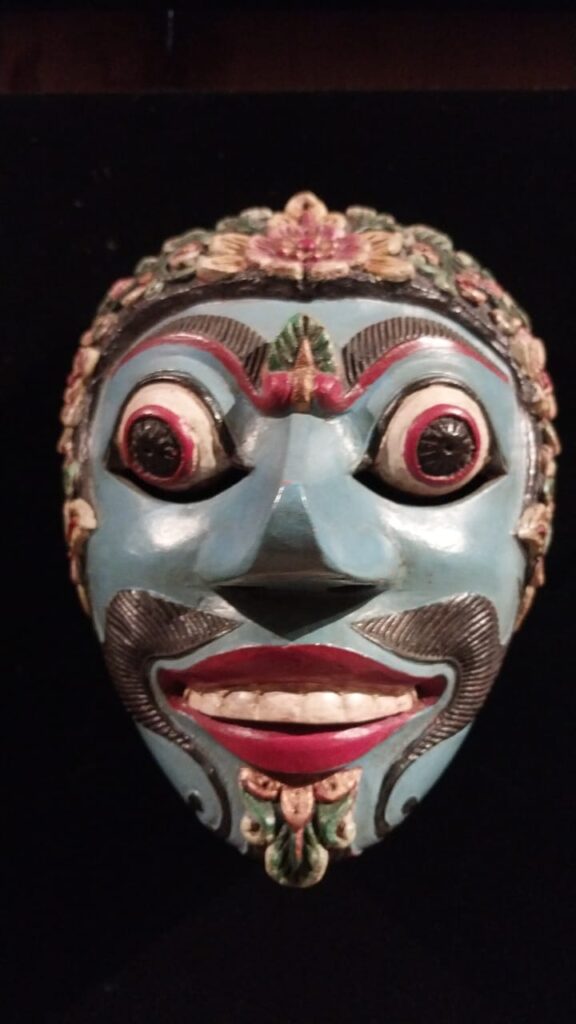
Rumah Topeng dan Wayang Setia Darma is more than a museum. It is a cultural sanctuary dedicated to preserving Indonesia’s artistic and spiritual heritage through traditional masks, puppets, architecture, and carefully maintained gardens.
Unlike many commercial attractions in Bali, this place feels personal. During my visit, the atmosphere was welcoming, peaceful, and surprisingly generous. Visitors were offered complimentary refreshments, and there was no sense of aggressive commercialization. Instead, the focus remained entirely on culture, preservation, and education.
For travelers seeking authentic experiences beyond Bali’s usual tourist hotspots, Rumah Topeng dan Wayang Setia Darma deserves a place near the top of the list.
Visitor Information
| Information | Details |
|---|---|
| Attraction | Rumah Topeng dan Wayang Setia Darma |
| Location | Jl Tegal Bingin Mas, Ubud, Banjar Tengkulak Tengah Ds Kemenuh, Sukawati, Gianyar, Bali |
| Nearest Town | Ubud |
| Recommended Visit Duration | 2–3 Hours |
| Best For | Culture Lovers, Photographers, Families, History Enthusiasts |
| Accessibility | Moderate Walking Required |
| Photography | Allowed in most areas |
| Atmosphere | Quiet, Educational, Cultural |
First Impressions
One of the first things visitors notice is how well maintained the entire property is.
The grounds are beautifully landscaped with tropical plants, mature coconut palms, and traditional Balinese architectural elements. Everything feels intentionally cared for. The gardens are neat, the walkways are clean, and even the public facilities are maintained to a standard rarely seen at many tourist attractions.
What surprised me most was how comfortable the museum experience felt. Several exhibition areas are air-conditioned, creating a pleasant environment for both visitors and the preservation of valuable cultural artifacts. Lighting systems automatically illuminate exhibits as visitors move through the galleries, allowing masks and puppets to be appreciated in greater detail.
This combination of traditional architecture and modern preservation techniques creates an experience that feels both authentic and professional.
A Passion Project Dedicated to Indonesian Heritage
What makes Rumah Topeng dan Wayang Setia Darma special is that it does not feel like a government institution or a commercial tourism project.
Instead, it feels like the result of decades of passion for Indonesian culture and history.
Throughout the museum, visitors encounter artifacts representing various regions of Indonesia. The collection showcases the extraordinary diversity of the Indonesian archipelago, demonstrating how different communities developed unique artistic traditions while maintaining deep cultural and spiritual connections.
Walking through the museum is less like visiting a conventional gallery and more like taking a journey across Indonesia’s cultural landscape.
One aspect that immediately stood out during my visit was the hospitality. Unlike many tourist attractions that focus heavily on ticket sales and souvenir shops, the atmosphere here felt genuinely welcoming.
Visitors were invited to relax and enjoy complimentary refreshments, including coffee and traditional Indonesian herbal drinks. During my visit, I was offered a refreshing kunyit asam (turmeric and tamarind drink), a simple gesture that made the experience feel more personal and memorable.
Rather than feeling like a commercial attraction, Rumah Topeng dan Wayang Setia Darma felt like a place created by people who genuinely care about sharing Indonesia’s cultural heritage with visitors.
The Extraordinary Mask Collection
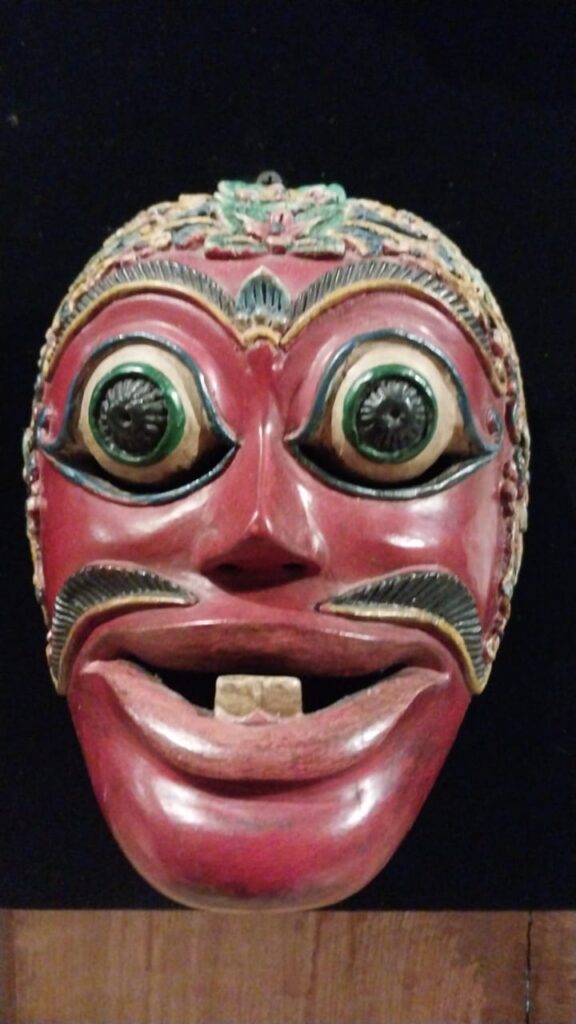
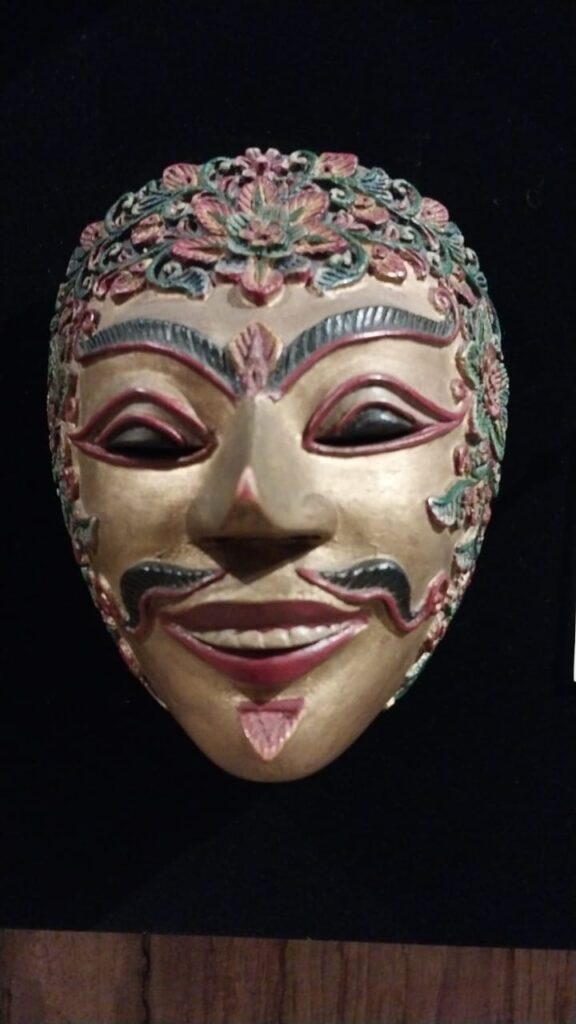
Traditional red mask representing one of Indonesia’s rich performing arts traditions.
The highlight for many visitors is the museum’s extensive collection of traditional masks.
These masks are not simply decorative objects. Many were originally used in ceremonial performances, religious rituals, storytelling traditions, and classical dance dramas.
Each mask carries its own personality.
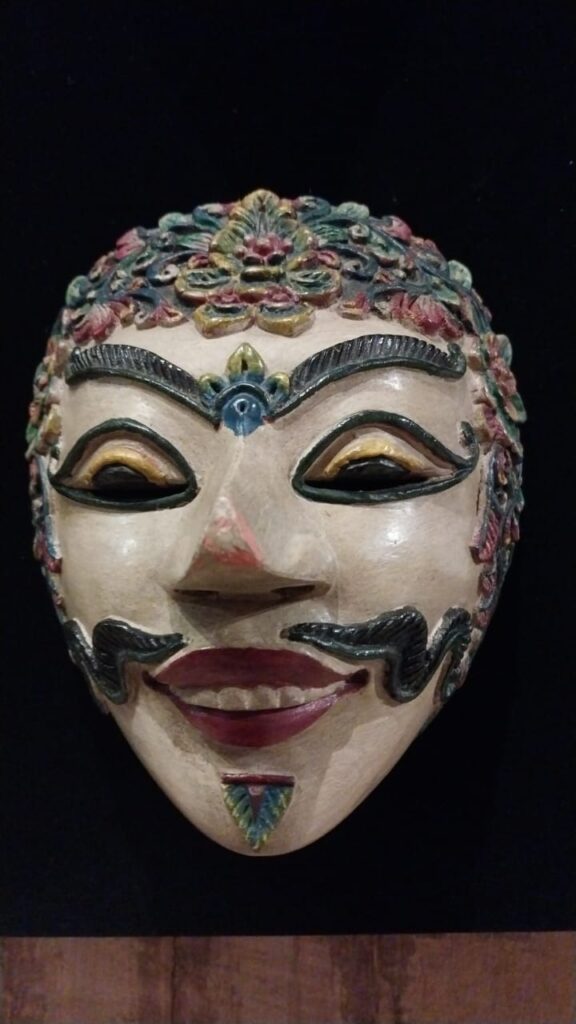
Some display exaggerated expressions with large eyes and dramatic facial features. Others appear calm, refined, and elegant. The craftsmanship is remarkable, with intricate carvings, detailed paintwork, and symbolic motifs reflecting centuries of artistic tradition.
The masks also demonstrate how performance arts have played an important role in preserving cultural identity throughout Indonesia.
For photographers, the collection offers countless opportunities to capture textures, colors, and craftsmanship rarely seen elsewhere.
Beyond Indonesia: Masks From Around the World
While Indonesian masks form the heart of the collection, visitors may also encounter masks originating from other countries and cultural traditions.
This international dimension adds another layer of interest to the museum. It allows visitors to compare how different societies have used masks for ceremonies, storytelling, performance, and spiritual expression.
For international travelers, these displays provide fascinating cultural connections, demonstrating how artistic traditions from different parts of the world often share common themes despite their unique visual styles.
Featured Collection Highlights
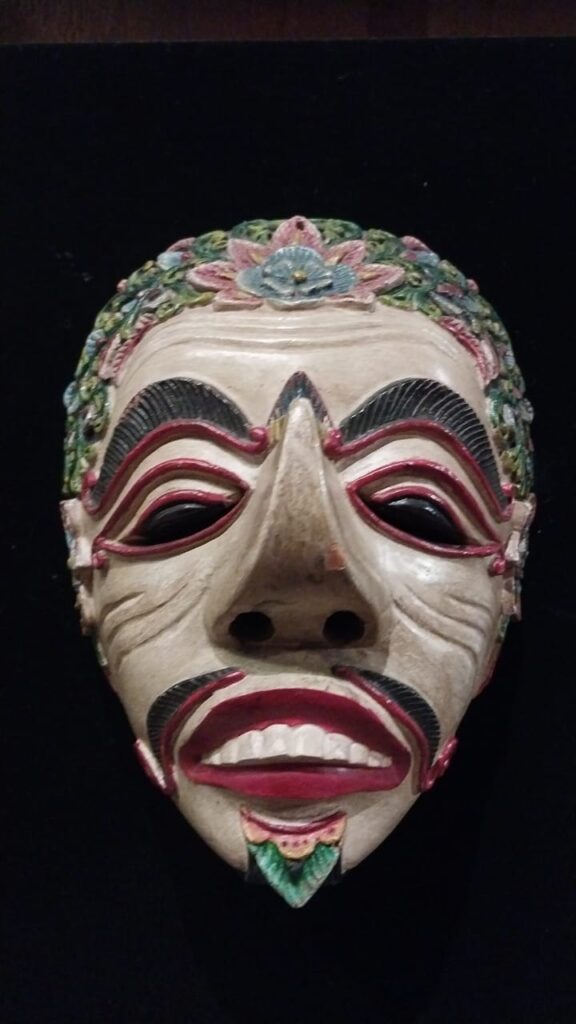
- Ceremonial masks
- Traditional performance masks
- Character masks from storytelling traditions
- Hand-carved wooden masks
- Regional artistic styles from across Indonesia
More Than a Museum
One reason Rumah Topeng dan Wayang Setia Darma stands apart from many other museums in Bali is that the experience extends beyond the exhibits themselves.
Beyond the exhibition galleries, the wider property offers additional cultural experiences. Visitors may notice examples of traditional Balinese architecture integrated throughout the grounds.
With permission from staff, it may also be possible to view areas inspired by traditional Balinese residential compounds. These spaces provide valuable insight into how Balinese architecture organizes family, ceremonial, and communal functions within a single environment.
For travelers interested in architecture and design, this aspect of the property can be just as rewarding as the museum itself.
The surrounding environment contributes significantly to the atmosphere.
Visitors may notice traditional Balinese architectural elements integrated throughout the grounds. Depending on access arrangements and permissions at the time of the visit, there may also be opportunities to appreciate examples of traditional Balinese residential design within the broader property.
The result is an experience that feels immersive rather than purely educational.
Instead of simply viewing artifacts behind glass, visitors can experience them within a setting that reflects the cultural environment from which many of these traditions emerged.
A Peaceful Escape From Ubud’s Crowds
Modern Ubud is one of Bali’s most popular destinations, attracting visitors from around the world.
While this popularity has many benefits, it can also make certain attractions feel crowded and commercialized.
Rumah Topeng dan Wayang Setia Darma offers a refreshing alternative.
The atmosphere is calm. There are no large tour groups rushing visitors through exhibitions. There are no loud crowds competing for photographs. Instead, guests are encouraged to slow down, observe, and appreciate the collection at their own pace.
For travelers looking for a deeper connection to Balinese and Indonesian culture, this peaceful environment is one of the museum’s greatest strengths.
A Surprisingly Modern Museum
Despite its traditional appearance, Rumah Topeng dan Wayang Setia Darma incorporates modern preservation features that help protect its valuable collection.
Several exhibition spaces are air-conditioned, creating a comfortable environment for visitors while helping preserve delicate cultural artifacts. Automated lighting systems illuminate displays as guests move through different sections of the museum, enhancing visibility without compromising the atmosphere.
The high standard of maintenance is evident throughout the property. During my visit, the galleries, gardens, pathways, and even the restrooms were exceptionally clean and well cared for, reflecting the dedication invested in preserving this unique cultural destination.
Photography Opportunities
Photographers will find numerous subjects throughout the property:
Traditional Masks
Detailed carvings, expressive faces, and vibrant colors make the masks ideal subjects for close-up photography.
Architectural Details
Traditional Balinese structures, wooden carvings, and landscaped pathways provide beautiful composition opportunities.
Tropical Gardens
Palm trees, lush vegetation, and carefully maintained grounds create attractive natural scenes.
Cultural Atmosphere
The combination of heritage, architecture, and greenery gives the museum a distinctive visual character that differs from most attractions in Ubud.
Is Rumah Topeng dan Wayang Setia Darma Worth Visiting?
Absolutely.
While Bali offers many famous attractions, few combine cultural depth, authenticity, peaceful surroundings, and educational value as successfully as Rumah Topeng dan Wayang Setia Darma.
Whether you are interested in photography, Indonesian history, traditional arts, architecture, or simply discovering places beyond the standard tourist itinerary, this hidden cultural sanctuary offers a rewarding experience.
It may not be Bali’s most famous attraction, but for many visitors it becomes one of the most memorable.
Frequently Asked Questions
How long should I spend at Rumah Topeng dan Wayang Setia Darma?
Most visitors should allow between two and three hours to fully appreciate the collection and grounds.
Is the museum suitable for children?
Yes, especially for older children interested in culture, history, and art.
Can I take photographs?
Photography is generally permitted in most areas, though visitors should always follow any current guidelines provided by staff.
Is the museum crowded?
Compared with many attractions in Ubud, the museum is typically much quieter.
What makes this museum unique?
Its extensive mask and puppet collections, peaceful atmosphere, and commitment to preserving Indonesian cultural heritage.
Is it worth visiting even if I am not interested in museums?
Yes. Many visitors enjoy the gardens, architecture, and overall atmosphere as much as the exhibits themselves.