
The Ultimate Hidden Paradise in Indonesia for European & US Travelers
Introduction: Indonesia’s Secret Island Escape Beyond Bali
There are places in the world that still feel undiscovered.
Not “Instagram undiscovered.”
Not “travel influencer hidden gem” undiscovered.
But genuinely quiet. Raw. Untouched.
Karimunjawa is one of those places.
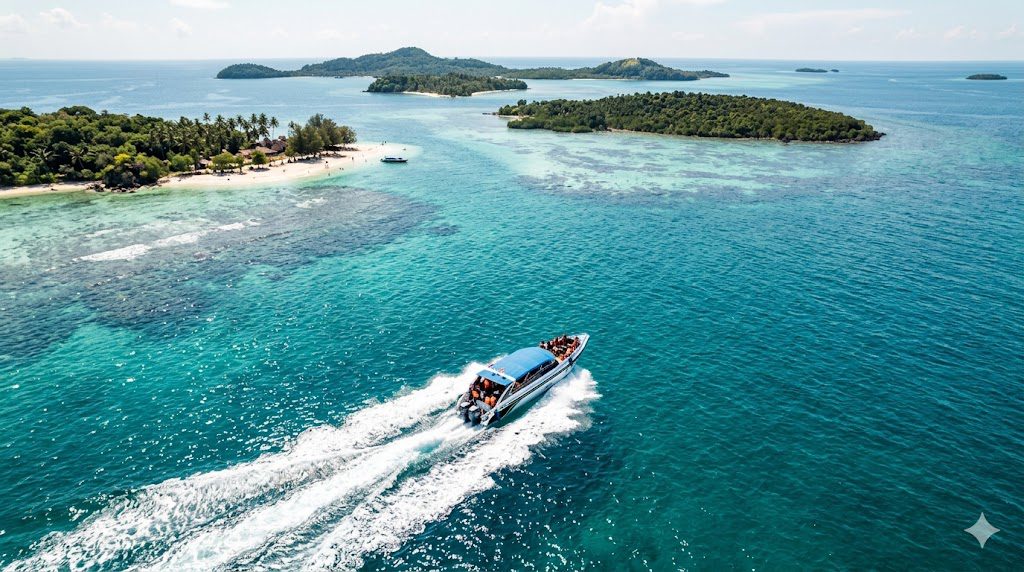
Located in the middle of the Java Sea, roughly 80 kilometers north of Central Java, Karimunjawa is an archipelago of 27 islands where turquoise water meets untouched coral reefs, fishermen still sail at sunrise, and the loudest sound at night is often the wind moving through coconut trees.
For travelers from Europe or the United States, Karimunjawa feels like stepping into Southeast Asia twenty years ago — before mass tourism transformed places like Bali, Phuket, or Boracay.
There are no mega beach clubs here.
No endless traffic jams.
No luxury shopping malls.
Instead, you get:
- Empty beaches
- Coral reefs full of tropical fish
- Local seafood grilled over charcoal
- Small villages where life moves slowly
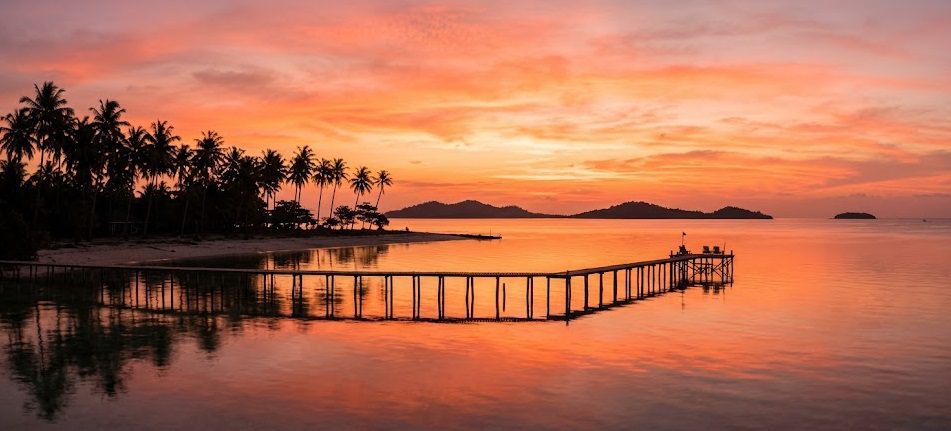
- Sunsets that genuinely look unreal
And perhaps most importantly: space.
Space to breathe.
Space to disconnect.
Space to experience Indonesia without crowds.
Many travelers compare Karimunjawa to “the old Bali.” That comparison is understandable. The atmosphere is relaxed, authentic, and deeply connected to nature. Yet Karimunjawa also has its own identity. The sea is calmer. The tourism scene is smaller. The islands feel more intimate.
Unlike Bali, where tourism infrastructure is polished and convenient, Karimunjawa still requires effort to reach. And that effort is exactly what keeps it special.
After exploring the pristine beaches of Karimunjawa, travelers can continue discovering volcanoes, temples, waterfalls, and cultural cities across Java Island.
The journey involves:
- Flights
- Ferries
- Speedboats
- Island logistics
- Weather considerations
- Sometimes unpredictable schedules
For some travelers, that sounds inconvenient.
For others, it sounds like adventure.
And that’s the truth about Karimunjawa: this destination rewards travelers who embrace uncertainty and slow travel.
You won’t come here for nightlife.
You won’t come here for luxury shopping.
You won’t come here expecting flawless infrastructure.
You come here for:
- Crystal-clear water
- Snorkeling with reef sharks
- Quiet beaches
- Island hopping
- Mangrove forests
- Stargazing
- Coral reefs
- Simplicity
Karimunjawa is ideal for:
- Backpackers
- Couples
- Honeymooners
- Divers
- Nature photographers
- Remote workers seeking silence
- Burned-out professionals needing an escape
It is less ideal for:
- Party travelers
- People requiring luxury convenience everywhere
- Travelers uncomfortable with tropical heat
- Travelers who dislike boats or unpredictable weather
Still, for many visitors, Karimunjawa becomes the highlight of their Indonesia trip.
Not because it is perfect.
But because it feels real.
Where is Karimunjawa & Why It Matters
Karimunjawa belongs to Central Java Province and is administratively part of Jepara Regency.
Many travelers visiting Karimunjawa also continue their journey through other destinations in our Central Java travel guide, including temples, volcanoes, and cultural towns.
The islands sit in the Java Sea, north of Semarang and Jepara.
Despite being relatively close to Java’s densely populated cities, Karimunjawa feels incredibly remote.
That contrast is one of the destination’s greatest strengths.
Within a few hours, travelers can go from:
- chaotic urban Indonesia
- crowded roads
- giant shopping centers
- industrial ports
to:
- silent beaches
- coral reefs
- tropical forests
- traditional fishing villages
The archipelago contains 27 islands, though only a handful are inhabited or developed for tourism.
The main island — also called Karimunjawa — serves as the tourism center. Here you’ll find:
- guesthouses
- hotels
- dive shops
- ATMs
- local restaurants
- scooter rentals
- small clinics
- ferry terminals
Other famous islands include:
- Menjangan Kecil
- Menjangan Besar
- Cemara Kecil
- Geleang
- Tengah Island
- Kemujan Island
The entire region is protected as part of Karimunjawa National Park.
This matters because the marine biodiversity is extraordinary.
The waters around Karimunjawa contain:
- coral reefs
- sea turtles
- reef sharks
- clownfish
- eagle rays
- mangrove ecosystems
- tropical reef fish
Compared to Bali, Karimunjawa receives far fewer international tourists.
Compared to Raja Ampat, it is dramatically cheaper and easier to access.
Compared to Thailand’s islands, it feels less commercialized.
Karimunjawa occupies a rare middle ground:
- beautiful but accessible
- adventurous but affordable
- remote but reachable
For European and American travelers seeking Indonesia beyond Bali, Karimunjawa represents one of the best alternatives in the country.
Why Karimunjawa Is Different From Bali, Phuket, or the Maldives
Karimunjawa is not about polished perfection.
That’s exactly why many travelers fall in love with it.
1. The Islands Still Feel Authentic
In Bali, tourism dominates entire towns.
In Karimunjawa, tourism still feels secondary to local life.
Fishermen still dominate the harbor.
Children play soccer on village roads.
Mosques define the rhythm of daily life.
Tourism exists — but it hasn’t overwhelmed the islands.
2. The Water Is Shockingly Clear
The sea around Karimunjawa often looks almost unreal.
The colors shift from:
- emerald green
- to bright turquoise
- to dark sapphire blue
Visibility during dry season can exceed 20 meters.
Snorkeling here is excellent even for beginners.
3. Island Hopping Feels Like Real Exploration
Many nearby islands remain undeveloped.
Some have:
- no electricity
- no buildings
- no permanent residents
You arrive by small wooden boat and spend hours walking on untouched sandbars.
That experience feels increasingly rare in Southeast Asia.
4. Prices Are Still Reasonable
Karimunjawa remains far cheaper than:
- Bali
- Maldives
- Bora Bora
- Seychelles
A traveler can still enjoy paradise on a backpacker budget.
Examples:
- hostel bed: $8–15
- scooter rental: $5/day
- snorkeling trip: $10–20
- seafood dinner: $3–8
Even luxury resorts remain relatively affordable compared to global island destinations.
5. The Pace of Life Is Slow
Karimunjawa forces travelers to slow down.
Internet is inconsistent.
Transportation schedules change.
Storms affect ferries.
Local life follows nature, not efficiency.
Some travelers hate that.
Others find it deeply refreshing.
How to Get to Karimunjawa (VERY Detailed Logistics Guide)
This is the section most travelers underestimate.
Getting to Karimunjawa requires planning.
Step 1: International Arrival Into Indonesia
Most travelers arrive via:
- Jakarta (CGK)
- Bali (DPS)
- Singapore (SIN)
The easiest route is:
International → Semarang → Karimunjawa
Step 2: Fly to Semarang
The gateway city is Semarang.
Airport:
Ahmad Yani International Airport (SRG)
Domestic airlines:
- Garuda Indonesia
- Batik Air
- Citilink
- Lion Air
Flight times:
- Jakarta → Semarang: 1 hour
- Bali → Semarang: 1.5 hours
Budget:
- $35–100 USD
Step 3: Choose Your Route to Karimunjawa
You have 3 main options.
OPTION A — Fast Boat (Most Popular)
Route:
Semarang/Jepara → Karimunjawa
Main Operators:
- Express Bahari
- Fast Ferry Services
Duration:
2–2.5 hours
Pros:
- Faster
- Scenic
- Affordable
Cons:
- Rough sea during bad weather
- Seasickness common
- Cancellations happen
Price:
Approximately:
- IDR 200,000–350,000
- ($13–22 USD)
OPTION B — Slow Ferry
Ferry:
KM Siginjai
Duration:
4–6 hours
Pros:
- Stable
- Cheaper
- Better for people prone to seasickness
Cons:
- Slow
- Hot
- Basic facilities
Price:
Around:
- IDR 130,000–180,000
- ($8–12 USD)
OPTION C — Flight to Dewadaru Airport
Airport:
Dewadaru Airport (KWB)
Located on Kemujan Island.
Airlines:
Small regional carriers.
Duration:
Approximately 40 minutes from Semarang.
Pros:
- Fastest
- Spectacular aerial views
- Avoids rough seas
Cons:
- Limited schedules
- Strict baggage limits
- Flights sometimes canceled
Price:
Around:
- $30–80 USD
Luxury Transfer Option
Some luxury resorts offer:
- private charter flights
- private speedboats
This is the smoothest experience but also the most expensive.
Realistic Travel Times
Backpacker Route:
Jakarta → Semarang → Jepara → Ferry → Karimunjawa
Total:
8–12 hours
Mid-Range Traveler:
Jakarta → Semarang → Fast Boat
Total:
5–7 hours
Luxury Traveler:
Semarang → Private Flight
Total:
2–3 hours
Common Mistakes Travelers Make
1. Underestimating Sea Conditions
The Java Sea becomes rough during monsoon season.
Fast boats can become extremely uncomfortable.
2. Not Booking Ahead
Weekends and holidays sell out quickly.
3. Bringing Too Much Cash Dependency
ATMs exist but are unreliable.
Always bring backup cash.
4. Expecting Bali-Level Infrastructure
Electricity outages happen.
Internet can be slow.
Roads are basic.
5. Ignoring Motion Sickness
Take medicine BEFORE boarding.
Not after.
Best Time to Visit Karimunjawa
Timing matters enormously.
Dry Season (April–October)
This is the best period.
Conditions:
- calm sea
- clear skies
- excellent snorkeling
- better diving visibility
Peak months:
- June
- July
- August
Book early during European summer holidays.
Shoulder Season (March & November)
Still good.
Advantages:
- fewer tourists
- cheaper hotels
- decent weather
You may experience occasional rain.
Monsoon Season (December–February)
This is risky.
Problems:
- ferry cancellations
- rough seas
- heavy storms
- reduced visibility underwater
Some resorts temporarily close.
Travelers with tight schedules should avoid these months.
Wildlife Experience Deep Dive
Karimunjawa’s marine life is the true star.
Coral Reefs
The reefs are surprisingly healthy compared to many parts of Southeast Asia.
You’ll see:
- table corals
- brain corals
- giant clams
- sea fans
Visibility can exceed 20 meters.
Reef Sharks
Blacktip reef sharks are common around Menjangan Kecil.
They are generally harmless.
Seeing sharks in shallow crystal-clear water becomes one of the most memorable experiences for visitors.
Sea Turtles
Hawksbill turtles regularly appear around:
- Tengah Island
- coral reef areas
- turtle conservation zones
Swimming beside turtles feels surreal.
Tropical Fish
Common sightings include:
- clownfish
- angelfish
- butterflyfish
- parrotfish
- yellow snappers
Even beginner snorkelers can enjoy incredible visibility.
Mangrove Ecosystems
Mangroves protect the coastline and support marine biodiversity.
Kayaking through mangroves at sunrise feels almost prehistoric.
Dolphins
Occasionally spotted during:
- sunrise boat tours
- transfers between islands
Not guaranteed, but possible.
Night Sky & Bioluminescence
On dark nights, parts of the water glow due to plankton activity.
Combined with minimal light pollution, the night skies are spectacular.
Honest Reality About Wildlife
Karimunjawa is beautiful — but not untouched paradise.
Challenges include:
- coral damage in tourist areas
- occasional plastic pollution
- overfishing concerns
- irresponsible tourism operators
Still, compared to many destinations, the ecosystem remains relatively healthy.
What Daily Life Feels Like in Karimunjawa
Life here revolves around:
- tides
- fishing
- weather
- prayer schedules
- tourism seasons
Days begin early.
By sunrise:
- fishermen already leave harbor
- markets become active
- boats prepare for island hopping
Afternoons are hot and humid.
Most travelers spend midday:
- swimming
- relaxing
- hiding from heat
- drinking iced coffee
Evenings are simple:
- seafood BBQ
- beach sunsets
- acoustic music
- quiet conversations
There is little nightlife.
And honestly, that becomes part of the charm.
What You Eat in Karimunjawa
Seafood dominates the local cuisine.
Popular dishes:
- grilled fish
- squid
- prawns
- sambal chili sauce
- fried rice
- fried noodles
Fresh coconut water is available almost everywhere.
Travelers should prepare for:
- spicy food
- simple restaurants
- inconsistent hygiene standards at some budget warungs
Drink bottled water only.
Top Things To Do in Karimunjawa
1. Island Hopping
The signature activity.
Most tours visit:
- Cemara Kecil
- Menjangan Kecil
- Geleang Island
2. Snorkeling
The reefs are accessible even for beginners.
Many tours include:
- mask
- fins
- lunch
3. Diving
Karimunjawa has:
- wreck dives
- reef dives
- macro diving
Less famous than Raja Ampat, but much cheaper.
4. Bukit Love Sunset
One of the best viewpoints.
Perfect for:
- sunset photography
- drone shots
- panoramic views
5. Scooter Exploration
Renting a scooter allows access to:
- hidden beaches
- fishing villages
- mangrove roads
6. Mangrove Boardwalk
Quiet and peaceful.
Excellent for:
- birdwatching
- photography
- sunrise walks
7. Night Seafood Markets
Simple but authentic.
Fresh fish grilled directly beside the harbor.
8. Stargazing
Minimal light pollution creates incredible night skies.
9. Private Boat Charter
More expensive but worth it for:
- photographers
- couples
- families
Where to Stay in Karimunjawa
Backpacker Budget ($8–30)
Best for:
- solo travelers
- divers
- backpackers
Options:
- hostel dorms
- simple guesthouses
- homestays
Reality:
- basic bathrooms
- limited hot water
- slower internet
Mid-Range Hotels ($40–120)
Most travelers choose this category.
Features:
- air conditioning
- swimming pools
- beachfront access
- breakfast included
Popular choices:
- The Secret Karimunjawa
- Narayana Hotel
- Royal Ocean View
- The Happinezz Hills
- Nirwana Resort
Luxury Resorts ($250–500+)
For honeymooners and luxury travelers.
Features:
- private villas
- private beaches
- premium dining
- airport transfers
- diving packages
Top luxury option:
- Kura Kura Resort
- Breve Azurine Lagoon Resort
Sample Itinerary — 5 Days in Karimunjawa
Day 1
Arrive in Semarang → Fast boat → Sunset Beach
Day 2
Island hopping + snorkeling
Day 3
Private boat + turtle spotting
Day 4
Mangrove kayaking + beach relaxation
Day 5
Return to Semarang
Costs Breakdown
Backpacker
Daily:
$25–50
Mid-Range
Daily:
$80–180
Luxury
Daily:
$300–900+
Honest Pros & Cons
| Pros | Cons |
|---|---|
| Beautiful reefs | Difficult logistics |
| Affordable | Rough seas |
| Authentic atmosphere | Limited nightlife |
| Excellent snorkeling | Slow internet |
| Quiet beaches | Humidity & mosquitoes |
| Less crowded than Bali | Ferry cancellations |
Essential Travel Tips
Bring Cash
ATMs are unreliable.
Buy Travel Insurance
Medical evacuation is expensive.
Bring Mosquito Repellent
Dengue fever exists.
Download Offline Maps
Internet can disappear unexpectedly.
Respect Local Culture
Karimunjawa is more conservative than Bali.
Avoid Tight Schedules
Weather disruptions happen frequently.
Final Verdict: Is Karimunjawa Worth It?
Absolutely — for the right traveler.
Karimunjawa is not polished luxury tourism.
It is:
- slower
- simpler
- less predictable
- more authentic
The islands reward patience.
If you want:
- beach clubs
- shopping malls
- nightlife
- luxury convenience
then Bali may suit you better.
But if you dream about:
- turquoise water
- empty islands
- coral reefs
- simple island life
- genuine adventure
Karimunjawa may become your favorite destination in Indonesia.
It feels like discovering a secret before the rest of the world arrives.
And in modern travel, that feeling is increasingly rare.
Explore More in Java
Ready for more adventures? Discover volcanoes, hidden beaches, ancient temples, and cultural towns in our complete Java travel guide.